
Vandaag of morgen in huis

Kwaliteit gegarandeerd

Welkomstaanbiedingen ontgrendelen: GRATIS bezorging | Tot 80% korting | Gratis 30 dagen JoyPlus-proefperiode
Download de app
A portable Bluetooth speaker may seem easy to choose at first. However, models vary considerably in size, sound output, battery life and water resistance. A low price can be tempting, but a speaker that runs out of charge after a few hours or can’t cope with a rain shower won’t suit every situation.
So, look out for these three common pitfalls:
A Bluetooth speaker with long battery life is handy for use in the garden, on holiday or during a day at the beach. Don’t just look at the number of hours: check the conditions under which that figure was measured, too. For example, the Tronsmart T7 is listed as lasting up to 12 hours without LED lighting, but product information says this can drop to around 4 hours with the lights on.
USB-C has become a useful standard. You can often use the same cable as you do for a smartphone or tablet. Some larger models also have a power bank function for charging your phone. This is useful when you’re out and about, but can reduce the speaker’s remaining playback time.
According to the IP rating system, an IP67 Bluetooth speaker is completely dust-tight and suitable for temporary immersion under specified conditions. Always check that the protective cover is closed properly. The rating doesn’t automatically make a speaker suitable for prolonged use in salt water, under a powerful jet of water or while charging when the device is wet.
Also note the difference between IP67 and IPX7. With IPX7, the stated specification doesn’t include dust protection. So, if you’re heading to the beach, camping or cycling, a fully dust-tight enclosure may be an important consideration.
A compact Bluetooth speaker is easy to carry around, but usually has less room for larger drivers and deep bass. A small speaker can sound clear when you’re listening to podcasts or background music, while a heavier model can offer more volume and deeper bass.
So, check:
Bluetooth 5.3 or 5.4 can provide a modern connection, but doesn’t tell you anything about sound quality by itself. The audio codecs used, such as SBC or AAC, and the support offered by your smartphone and speaker also play a part.
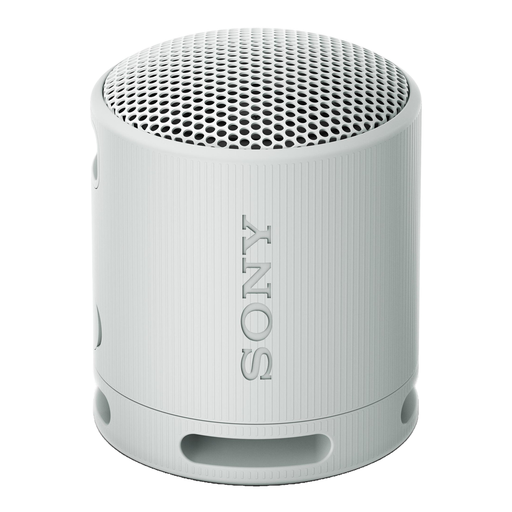
Why it suits this type of user: According to the product specifications, this small wireless speaker weighs 274 grams and has a carrying strap. That makes it suitable for everyday use at home, on the go or on a short trip.
The stated IP67 rating helps protect against dust and temporary immersion. The stated battery life of 16 hours also allows for extended listening, depending on volume and usage.
274 grams, USB-C, Bluetooth 5.3, microphone, TWS pairing and IP67, according to the product specifications.
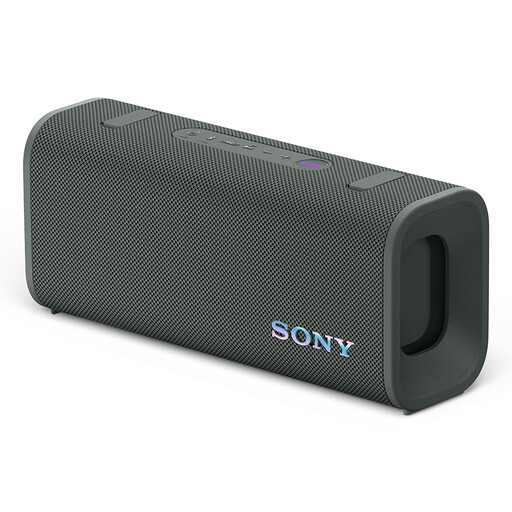
Why it suits this type of user: This model combines a portable size with a stated battery life of 24 hours, a ULT bass mode and a 7-band equaliser in the app. It’s a good fit for anyone who wants to customise their sound.
You’re not limited to one fixed sound setting: use the equaliser to adjust the balance of bass, mid-range and treble. The IP67 specification clearly sets out the limits for outdoor use.
Stated battery life of 24 hours, 7-band equaliser, USB-C, 3.5mm connection, power bank function and IP67.
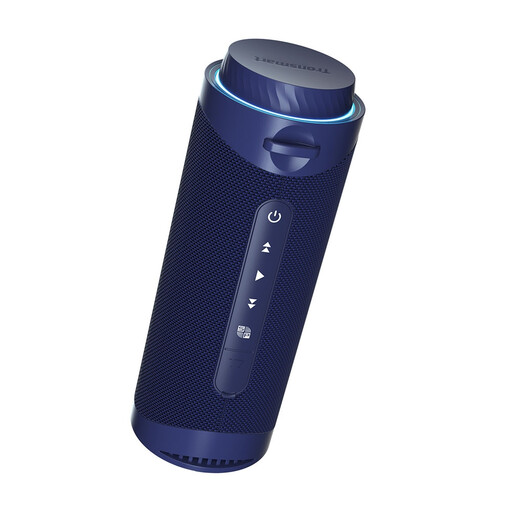
Why it suits this type of user: With a stated output of 30 W, LED lighting, a rotating enclosure and TWS pairing, this outdoor speaker is designed for parties, garden gatherings and larger spaces.
The IPX7 rating is clearly stated, so you know that dust resistance isn’t specified. Bear in mind the difference between up to 12 hours without lighting and shorter playback time with the LEDs on.
30 W, Bluetooth 5.3, microSD card support, LEDs, app control and stereo pairing with a second speaker.
We’ve put together a complete, up-to-date list of products that meet these strict selection criteria and the current European safety regulations.
Switch on the speaker and activate pairing mode. Then open the Bluetooth settings on your smartphone or tablet and select the speaker’s name. On supported Android devices, models with Fast Pair can connect more quickly. If you have trouble, check that the speaker isn’t already connected to another device.
It depends on the volume, equaliser setting, lighting and audio content. Product information might list, for example, 12, 16, 20, 24 or 25 hours, but these are stated maximum figures. Higher volume and active LED lighting usually reduce playback time.
First, check the IP rating and the manufacturer’s conditions. IP67 and IPX7 refer to specified test conditions; they don’t guarantee that a speaker can be used for long periods in a swimming pool, salt water or under high water pressure. Never charge a speaker while its enclosure or connection is wet.
