
Vandaag of morgen in huis

Kwaliteit gegarandeerd

Welkomstaanbiedingen ontgrendelen: GRATIS bezorging | Tot 80% korting | Gratis 30 dagen JoyPlus-proefperiode
Download de app
A portable Bluetooth speaker may seem easy to choose. However, models vary considerably in size, sound output, battery life and water resistance. A low price can be tempting, but a compact build, unclear battery information or limited water-resistance rating could lead to disappointment later.
Use these practical tips to compare a wireless speaker on the features that matter in the UK: indoor use, cycling, camping, trips to the beach and parties.
A higher wattage doesn’t automatically mean a speaker will sound better in every room. It mainly tells you about the electrical output. The enclosure, speaker drivers and tuning also affect the listening experience.
For a bedroom or picnic, 5 to 10 watts may be enough. More power is useful for a larger garden or a Bluetooth speaker for parties. Also consider the weight: a more powerful speaker is often larger and less convenient to carry every day.
An IP rating consists of two digits. The first indicates protection against dust, and the second indicates protection against water. An IP67 Bluetooth speaker is classified as fully dust-tight and designed to be temporarily immersed in water under specified conditions.
That doesn’t mean you can use the speaker indefinitely in a swimming pool or the sea, or expose it to a powerful jet of water. Make sure the covers are closed properly before taking it outside, and only charge a wet speaker once its connections are dry. A model with an IPX7 rating has no dust-protection rating indicated by the first digit.
Battery life depends on the volume, type of music, lighting and connections. For example, the Tronsmart T7 is rated for up to 12 hours with the lights off, while the stated playtime with the lights on can fall to around 4 hours. So, if you’re looking for a portable speaker with long battery life, check that the specifications suit the way you plan to use it.
A compact Bluetooth speaker is handy for a rucksack, bike bag or desk. According to the product specifications, the Soundcore Select 4 Go weighs around 264 grams. The Sony SRS-XB100 weighs 274 grams and has a carry loop. By comparison, the Sony ULT FIELD 5 weighs 3.3 kilograms. It’s portable, but is better suited to taking along to a garden, patio or event.
Think about how often you’ll move the speaker. A lightweight model is practical for everyday use, while a larger one may offer more volume and deeper bass but takes up more space.
Don’t just compare the maximum number of hours; check which features affect playtime, too. These stated figures provide a useful guide:
These figures are product specifications, not a guarantee for every situation. Also check the type of connection, such as USB-C, and whether the speaker can charge a phone. This feature is listed for the Sony ULT FIELD 5.
A mono speaker may be enough for a living room or small outdoor space. If you’d like a more spacious sound, look for a Bluetooth speaker with stereo pairing or TWS. This lets you connect two compatible speakers wirelessly. Check that both speakers are from the same range and that the device supports the feature.
A Bluetooth speaker with lighting is particularly appealing for creating an atmosphere at a party. Bear in mind that the lights use extra battery power. The Edifier ES20 has ambient lighting and dual pairing. According to its product description, the Tronsmart T7 has LEDs that respond to music. The Sony ULT FIELD 5 is listed as having 360° lighting.
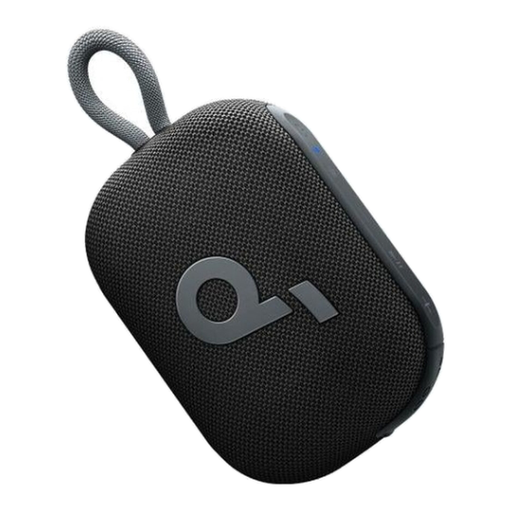
Why it suits this profile: This lightweight speaker is designed to go wherever you do, whether that’s to the park, on a bike ride or out for a walk. Its stated battery life of up to 20 hours means fewer charging sessions.
The product information gives more than just a compact size: it also specifies a weight of around 264 grams and IP67 protection. This makes it easier to choose based on concrete details rather than vague marketing terms.
5W output, IP67, floating design, built-in carry loop and TWS pairing for two speakers.
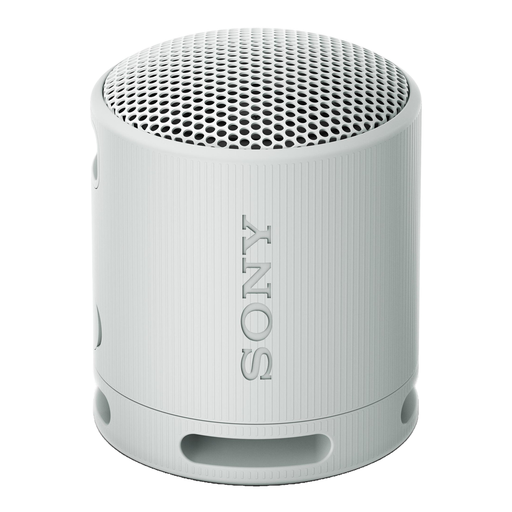
Why it suits this profile: The Sony SRS-XB100 combines a compact size with a stated playtime of 16 hours, a carry loop and support for hands-free calls.
The IP67 rating clearly states the level of dust and water protection. That’s more specific than simply describing a speaker as ‘suitable for outdoor use’.
274 grams, Bluetooth 5.3, USB-C, IP67 and pairing with a second compatible speaker.
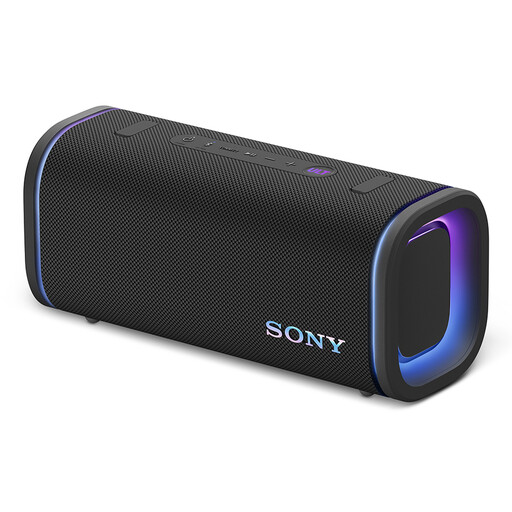
Why it suits this profile: This larger model is designed for people who value volume, long battery life and features for outdoor use.
The choice of a more powerful speaker is backed up by specific details: 27W RMS, a weight of 3.3 kilograms, IP67 and a stated battery life of up to 25 hours.
Two sound modes, a 10-band equaliser via the app, phone charging, IP67 and all-round lighting.
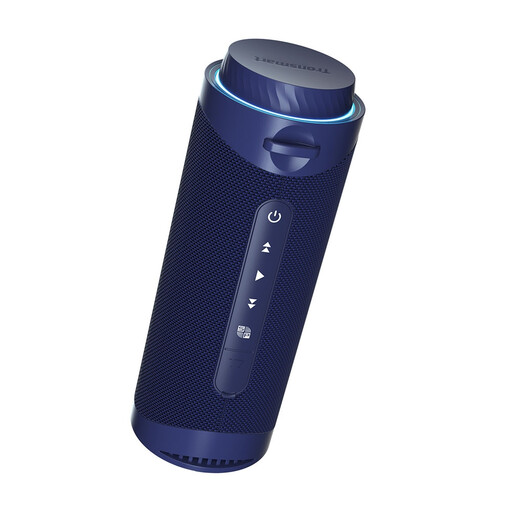
Why it suits this profile: The combination of lighting, 30W output and TWS pairing makes it a good fit for use in the garden, on the patio or at a party.
Battery life is considered alongside the lighting: the product information gives different playtime figures for when the LEDs are on and off.
30W output, Bluetooth 5.3, IPX7, active LEDs, microphone and pairing for two speakers.
We’ve put together a complete, up-to-date list of products that meet these strict selection criteria and the applicable European safety requirements.
Switch on the speaker and activate pairing mode as described in the manual. Then open the Bluetooth settings on your smartphone, tablet or laptop and select the speaker’s name. You may need to confirm the connection the first time you pair it. Keep your device within the stated range and check that the speaker isn’t already connected to another source.
It varies by model and how you use it. The compact models in this selection are rated for around 12 to 20 hours, while the Sony ULT FIELD 5 is listed at up to 25 hours. Volume, bass, lighting and phone calls can all reduce actual playtime. A battery that isn’t fully charged will, of course, provide less listening time.
That depends on the IP rating and the instructions for use. An IP67 or IPX7 model is designed to withstand a certain amount of water exposure, but not unlimited exposure to rain, salt water or water pressure. Close the connection covers carefully, don’t charge the device while it’s wet, and always follow the manufacturer’s safety information.
