
Vandaag of morgen in huis

Kwaliteit gegarandeerd

Welkomstaanbiedingen ontgrendelen: GRATIS bezorging | Tot 80% korting | Gratis 30 dagen JoyPlus-proefperiode
Download de app
A portable Bluetooth speaker may seem easy to choose: connect your smartphone, press play and take the speaker with you. But models vary widely in battery life, water protection, sound distribution and connectivity. A low price or eye-catching LED lighting doesn’t automatically make a speaker suitable for the beach, a party or everyday use at home.
Look out for these three common pitfalls:
For outdoor use, a waterproof Bluetooth speaker or an IP67 Bluetooth speaker can be a practical choice. In product specifications, IP67 generally means complete dust protection and protection against temporary immersion under the stated conditions. Always check the manual: covers must be properly closed, and you should avoid charging the speaker while it’s wet.
A model rated IPX7, such as the Tronsmart T7, is described as water-resistant but doesn’t have a full dust-protection rating. This could matter at the beach, on a camping trip or while cycling, as sand and dust pose different risks from rain.
A Bluetooth speaker with long battery life is handy for a day out, but check the conditions under which the stated play time was measured. Volume, codec, temperature and lighting all make a difference. Here are some examples from the product specifications:
A USB-C port makes charging easier, but also check whether a charging adapter is included. Some models can charge a smartphone using a power bank function, which uses extra battery capacity.
A compact Bluetooth speaker weighing around 274 grams is easy to attach to a bag or bicycle handlebars. Larger models often offer more volume and bass, but weigh considerably more. According to the product specifications, the Sony ULT FIELD 3 weighs around 1.2 kg, while the ULT FIELD 5 weighs around 3.3 kg.
Also check for:
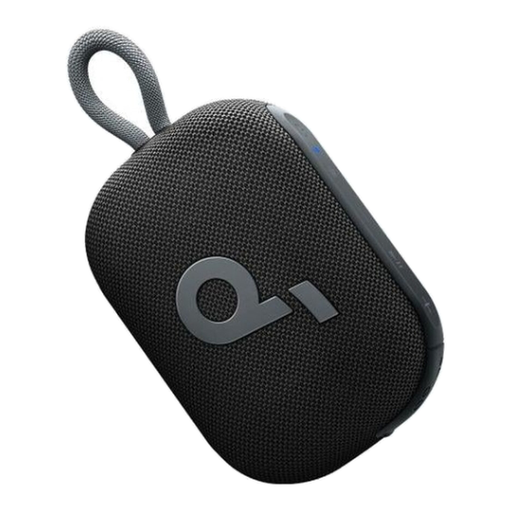
Why it suits this profile: Weighing around 264 grams and featuring an integrated carry loop, this model is well suited to walks, cycle rides and everyday use.
The product specifications list both an IP67 rating and battery life of up to 20 hours. Bear in mind that volume and conditions of use affect play time.
IP67 protection, 5W output, up to 20 hours of battery life and TWS pairing.
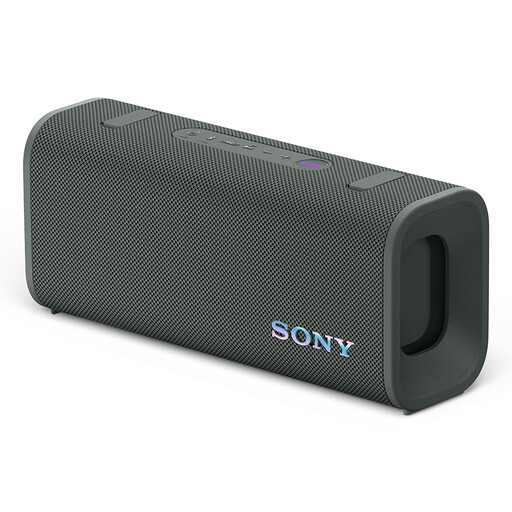
Why it suits this profile: This model is aimed at people who want greater range and extra adjustment options outdoors, without switching to a fixed system.
The speaker combines a stated battery life of 24 hours with IP67 protection. Make sure the rear cover is fully closed before exposing it to moisture.
27W RMS, 7-band equaliser, USB-C, 3.5 mm jack and power bank function, according to the product information.
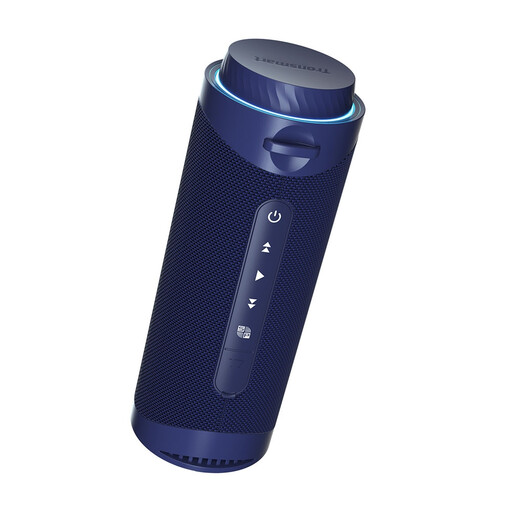
Why it suits this profile: This speaker is designed for people looking for a Bluetooth speaker for parties, with lighting, stereo pairing and a higher stated output.
The product specifications list IPX7 water protection and make clear that LED lighting can reduce play time from up to 12 hours to up to 4 hours.
30W output, Bluetooth 5.3, TWS, built-in microphone, microSD card reader and rhythmic LED lighting.
We’ve put together a complete, up-to-date list of products that meet these strict selection criteria and current European safety regulations.
Switch on the speaker and activate pairing mode. Then open the Bluetooth settings on your smartphone and select the speaker’s name. Some models, such as the Sony SRS-XB100, support Fast Pair on certain Android phones. If you can’t connect, remove the speaker from the list of previously paired devices and try again.
Battery life depends on the battery type, volume, temperature and extra features. The models in this guide list around 12 to 25 hours per charge, but these are stated figures. LED lighting, high volumes and charging phones through the speaker will shorten play time. A lithium-ion battery loses capacity over time, so avoid storing the speaker for long periods completely flat or in extreme heat.
You can, as long as its protection rating is suitable for how you plan to use it. According to its rating, an IP67 Bluetooth speaker is protected against dust and temporary immersion, but sand, salt water and open port covers still need to be considered. After contact with sand or salt water, rinse a suitable speaker only as directed by the manufacturer, dry it completely and wait until the connections are dry before charging.
