
Vandaag of morgen in huis

Kwaliteit gegarandeerd

Welkomstaanbiedingen ontgrendelen: GRATIS bezorging | Tot 80% korting | Gratis 30 dagen JoyPlus-proefperiode
Download de app
A portable Bluetooth speaker seems easy to choose: connect your phone, press play and you’re ready to go. But many buyers later run into limitations. The sound is fine indoors, but gets lost outside. The battery only lasts as long as advertised at low volume. Or a speaker described as water-resistant turns out not to be suitable for sand, rain or immersion.
With this guide, you can compare models using verifiable specifications. That way, you can choose a wireless speaker to suit the way you’ll use it, without relying solely on bold marketing claims.
A higher wattage doesn’t tell you everything about the listening experience. The size of the enclosure, the number of drivers, speaker placement and tuning all affect the sound too. A compact Bluetooth speaker may sound pleasant in a bedroom, but for a garden party, more power and a larger enclosure are often more practical.
As well as the stated power, check:
An IP67 Bluetooth speaker is fully protected against dust under the IP rating and suitable for temporary immersion in water under the conditions set out by that rating. This doesn’t mean you can leave it in water for a long time. Salt water, chlorine, high pressure and a port cover that isn’t properly closed can also cause problems.
Always check:
A model with IP66 offers different protection from IP67. IP66 is designed to provide dust-tight protection and withstand powerful water jets, but it doesn’t offer the same protection against temporary immersion.
Advertised battery life usually depends on volume, music genre, lighting, Bluetooth connection and temperature. As a result, a portable speaker with long battery life may play for less time in practice at high volumes or with lighting effects switched on.
Also check:
Every extra gram counts when you’re cycling, walking or camping. A speaker weighing a few hundred grams is easier to fit in a bag than a model weighing several kilos. A compact Bluetooth speaker usually has less room for larger drivers, which can affect the sound and bass performance.
For home, the garden or a permanent camping pitch, a heavier model may make more sense. So check the dimensions and weight rather than judging by the product photo alone.
For an outdoor Bluetooth speaker, an IP rating is more useful than a general description such as “rugged”. IP67 models are suitable for situations where dust, rain or a brief drop into shallow fresh water may be a risk, as long as you follow the instructions.
An IP rating doesn’t automatically make a speaker resistant to drops, heat or prolonged exposure to moisture. If you’re taking it along on sports trips, cycling or camping, check whether it’s also shock-resistant.
If you mainly listen to podcasts, you’ll have different requirements from someone looking for a Bluetooth speaker with bass for electronic music or parties. An equaliser can help you adjust the treble and bass. Some models have a dedicated bass mode; according to the brand’s product information, this changes the sound, but the result also depends on the room and volume.
An app may offer extra features, such as:
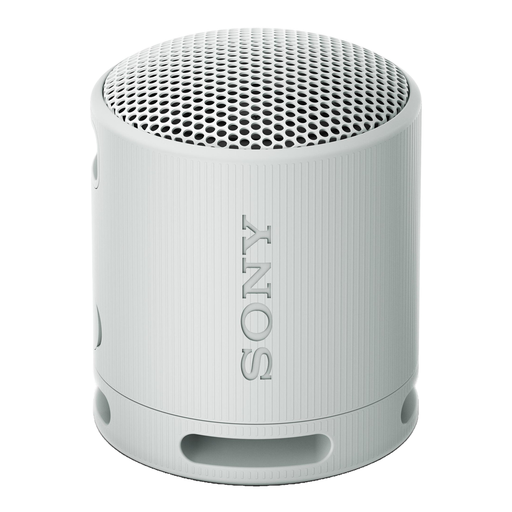
Why it suits this profile: This lightweight model weighs 274 grams and has a carrying strap. That makes it suitable for everyday use, a cycle bag, the balcony or short trips out.
The product information states battery life of up to 16 hours and IP67 dust and water protection. Be sure to check the conditions for use and volume.
274 grams, Bluetooth 5.3, USB-C, IP67 and pairing with a second speaker, according to the product specifications.
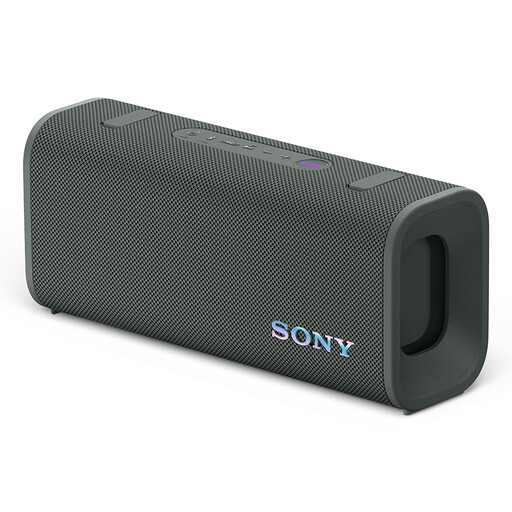
Why it suits this profile: This model combines portability with a stated output of 27 W RMS, a 7-band equaliser and battery life of up to 24 hours.
The stated IP67 rating and sealed port cover provide more specific information than simply calling it “suitable for the outdoors”.
1.2 kg, 24 hours of battery life according to the product specifications, USB-C, 3.5mm input and power bank function.
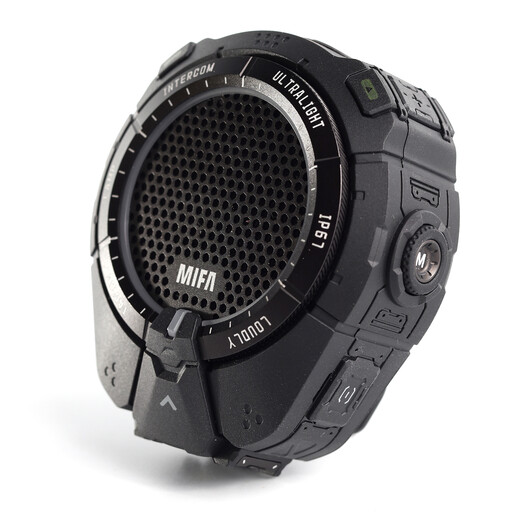
Why it suits this profile: This model is designed for walking, cycling and camping. It weighs around 85 grams and has a clip for attaching it to a bag, clothing or cycling gear.
The IP67 rating, compact design and stated operating temperature make its suitability for outdoor use easier to verify.
Bluetooth 5.3, up to 10 hours of battery life according to the product information, an 80-lumen light and an intercom function for up to six people.
We’ve put together a complete, up-to-date list of products that meet these strict selection criteria and current European safety regulations.
Switch on the speaker and activate pairing mode. Then open the Bluetooth settings on your smartphone and select the speaker’s name. You may need to confirm the connection the first time you pair it. Keep your phone within the recommended range and check that the speaker isn’t already connected to another device.
It varies by model and how you use it. The product information for the models discussed gives stated battery life of around 10 to 25 hours. High volume, bass modes, lighting and low temperatures can shorten playtime. Treat the stated figure as a guide, not a guarantee for every listening situation.
You can, as long as the speaker is suitable for the conditions. Look for a clear IP rating, a secure way to carry it and the manufacturer’s instructions. Avoid prolonged contact with salt water and keep sand out of the ports. A Bluetooth speaker for camping doesn’t need to be large; battery life, how it attaches and dust protection are often more important than maximum volume.
