
Vandaag of morgen in huis

Kwaliteit gegarandeerd

Welkomstaanbiedingen ontgrendelen: GRATIS bezorging | Tot 80% korting | Gratis 30 dagen JoyPlus-proefperiode
Download de app
A portable Bluetooth speaker seems simple to choose: connect your smartphone, press play and you’re ready to go. But there are big differences in size, sound, battery life and water protection. A compact speaker for the kitchen, for example, needs to do a different job from an outdoor speaker for camping or a garden party.
The most common buying mistakes come down to three pitfalls:
The IP rating matters if you’ll be using your speaker at the beach, while camping or in the rain. The first digit indicates protection against dust; the second indicates protection against water.
So simply describing a Bluetooth speaker as waterproof isn’t enough. Check the exact rating and make sure the covers for USB ports are properly closed. If the speaker gets wet in the rain, let it dry before charging it.
A Bluetooth speaker with long battery life is handy for a day out, but actual play time depends on volume, type of music, temperature and extra features such as LED lights. So don’t just look at the highest figure.
Also check:
A compact Bluetooth speaker weighing 274 grams, such as the Sony SRS-XB100, is easier to take with you than a model weighing well over one kilogram. On the other hand, larger models often have more speakers, a higher stated RMS rating or a bigger enclosure.
Bluetooth 5.3 or Bluetooth 5.4 can provide up-to-date connectivity, but check the supported codecs and connections too. Most models in this selection support SBC; several Sony models also support AAC.
When choosing a speaker for its sound:
Also consider whether you only need Bluetooth. A wireless speaker with AUX, USB, Wi-Fi or microSD offers more ways to play music, but it may be larger or more complicated to use.
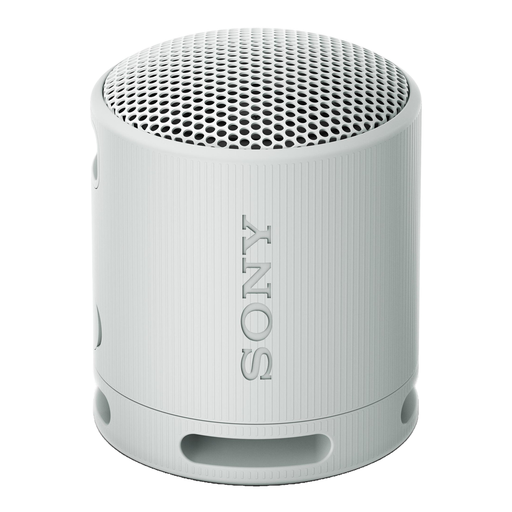
Why it suits this type of user: This lightweight model weighs 274 grams, has a carrying strap and works with iOS and Android. That makes it practical for use at home, on bike rides, when travelling and day to day.
The product specifications give clear figures of 16 hours of battery life and an IP67 rating, rather than relying on general claims about portability or water resistance.
Bluetooth 5.3, USB-C, microphone, TWS pairing, and dust and water protection to IP67.
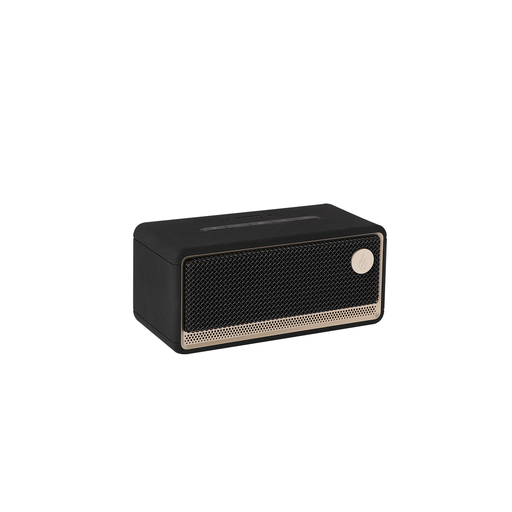
Why it suits this type of user: For anyone who mainly listens at home and wants Wi-Fi, AirPlay 2, USB and AUX as well as Bluetooth. The wooden enclosure and app controls make it well suited to a permanent spot in the living room.
It’s about more than a wattage claim: the specifications include multiple drivers, connections, codecs and an equaliser, so you can tailor the listening experience more closely to your tastes.
60W stated total power, Bluetooth 5.3, LDAC, Wi-Fi, AirPlay 2 and up to 12 hours of battery life.
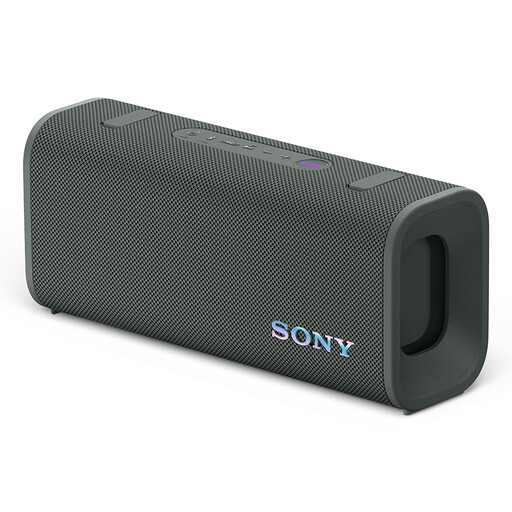
Why it suits this type of user: This model is designed for anyone looking for a more powerful outdoor Bluetooth speaker, with long play time, bass control and protection against dust and water.
The stated 24 hours of battery life comes alongside other useful details: 27W RMS, a 7-band equaliser, USB-C and a power bank function.
IP67, 24 hours of stated battery life, 27W RMS, a 3.5mm input and a weight of around 1.2 kilograms.
We’ve put together a complete, up-to-date list of products that meet these strict selection criteria and comply with the relevant European safety regulations.
Switch on the speaker and activate pairing mode. Then open Bluetooth settings on your smartphone or tablet and select the speaker’s name. With models that support Fast Pair, a compatible Android phone may offer to connect more quickly. If you have trouble, check that the speaker isn’t already connected to another device.
It varies by model and how you use it. Manufacturers usually state the maximum play time at a particular volume. LED lights, higher volume, bass mode and cold temperatures can all reduce battery life. If you regularly use your speaker outdoors, it’s sensible to allow some leeway between the stated play time and how long you plan to use it.
Only within the limits of its IP rating. An IP67- or IPX7-rated speaker is designed to withstand temporary exposure to water under the stated test conditions, but prolonged immersion, salt water, chlorine and water jets can cause damage. Make sure the port covers are properly closed, and only charge the speaker once it’s completely dry.
