
Vandaag of morgen in huis

Kwaliteit gegarandeerd

Welkomstaanbiedingen ontgrendelen: GRATIS bezorging | Tot 80% korting | Gratis 30 dagen JoyPlus-proefperiode
Download de app
A portable Bluetooth speaker may seem easy to choose: pick a model, connect your smartphone and play some music. In practice, speakers vary considerably in size, protection, battery life and sound quality. A compact speaker for the bedroom needs different features from an outdoor speaker for the beach or a party speaker for a garden gathering.
Look out for these three common pitfalls:
For outdoor use, the IP code is a useful thing to check. With an IP67 Bluetooth speaker, the first digit, 6, means the casing is completely dust-tight. The second digit, 7, indicates temporary immersion under specified conditions, usually up to 1 metre for a maximum of 30 minutes, according to the product specification.
A model with IPX7 offers water protection, but the X means that no dust rating is specified. IPX6 means the speaker can withstand powerful jets of water, but not necessarily immersion. So check whether you need a waterproof Bluetooth speaker for rain, a swimming pool or just the occasional splash.
Always follow the instructions for use. Only charge a wet speaker once its connections are dry. IP protection also applies only when the covers are properly closed.
Don’t just compare the maximum number of hours. Also check:
A Bluetooth speaker with long battery life is handy for camping, cycle rides and long days outdoors. The Soundcore Select 4 Go has a stated play time of up to 20 hours and weighs around 264 grams. The Sony SRS-XB100 has a stated play time of up to 16 hours and weighs 274 grams. A larger party speaker may have a higher battery capacity, but it will also be bigger and heavier.
A compact Bluetooth speaker fits easily into a rucksack or bike bag. But check the driver size and how the sound is projected. A model with 360° sound can be useful when people are sitting around the speaker. A casing that directs sound upwards may be more practical when the speaker is on the floor.
Also check whether it has a carry loop, strap or handle. A speaker weighing a few hundred grams is suitable for travel and everyday use. Larger models with, for example, 30 or 90 watts of power make more sense for a garden party, but are less convenient to take on a bike.
The selection below is based on verifiable product specifications. Claims about sound quality and extra features come from the brands’ respective product descriptions.
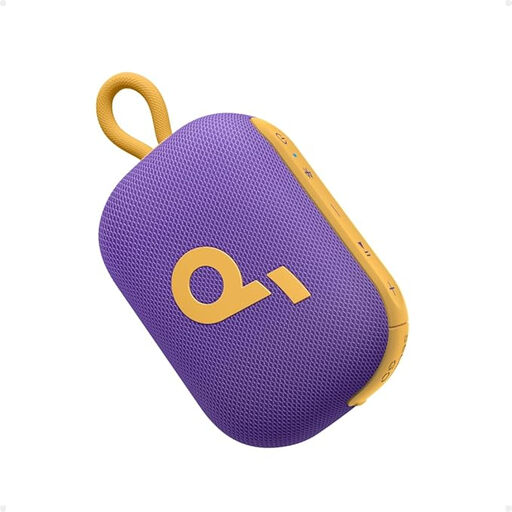
Why it suits this profile: This lightweight model is ideal for using with a smartphone or tablet at home, while travelling or out for a walk. The carry loop and stated weight of around 264 grams make it easy to take with you.
The stated play time of up to 20 hours comes with an IP67 rating. Bear in mind that volume and usage conditions affect actual play time.
IP67 protection, up to 20 hours of stated play time, 5W output and TWS pairing for two speakers.
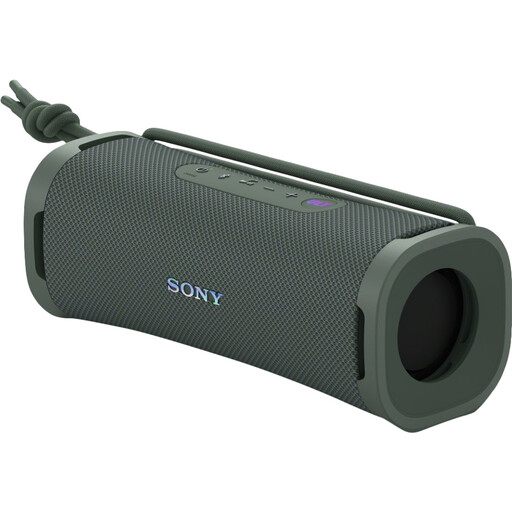
Why it suits this profile: This Sony Bluetooth speaker is designed for users looking for extra sound features and a sturdy casing for indoor and outdoor use. It weighs 650 grams and can be placed horizontally or vertically.
The product specification lists 30W RMS, Bluetooth 5.3, IP67 and up to 12 hours of battery life. According to Sony, the ULT button offers an extra bass mode; this is a brand claim, not a guarantee that everyone will like the sound.
30W RMS, IP67 protection, TWS pairing, USB-C and support for AAC and SBC.
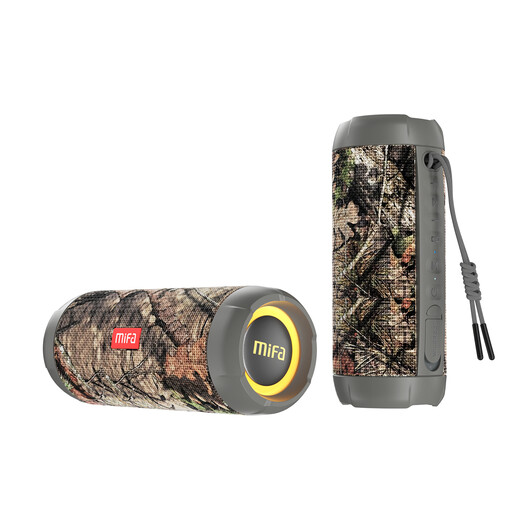
Why it suits this profile: The WildRod is aimed at beach days, camping and poolside use. It has Bluetooth 5.3, a 30W audio system, a microSD slot and a stated battery life of up to 12 hours.
The product description lists both IP67 dust protection and IPX7 water protection, as well as a floating design. Always check the official limits and ensure all seals are closed before use.
45° design, 30W system, IP67/IPX7 ratings, microSD support and pairing with multiple compatible Mifa speakers.
We’ve put together a complete, up-to-date list of products that meet these strict selection criteria and the applicable European safety regulations.
Switch on the speaker and activate pairing mode. Then open the Bluetooth settings on your smartphone or tablet and select the speaker’s name. Some models, such as the Sony SRS-XB100, support faster pairing with compatible Android devices. After the first connection, the speaker will often reconnect automatically.
That depends on battery use, charging habits, heat and exposure to moisture. The stated play time is a guide. Use a suitable USB-C charger, don’t leave the speaker in direct sunlight for long periods, and don’t charge it when wet. The EU’s statutory minimum two-year guarantee of conformity for consumers is separate from the expected lifespan of the battery.
A wireless speaker mainly uses power when playing music and charging. LED lighting, high volume and powerful bass modes can drain the battery faster. A battery indicator and USB-C port are useful for regular use. If you mainly listen indoors, you can switch off the lighting to reduce how often you need to recharge it.
Only if its IP rating and instructions for use allow it. Check the difference between splash resistance and protection against immersion. Even with an IP67 or IPX7 model, you need to take salt water, chlorine, charging covers and impacts into account. Check the conditions before using a speaker near water.
