
Vandaag of morgen in huis

Kwaliteit gegarandeerd

Welkomstaanbiedingen ontgrendelen: GRATIS bezorging | Tot 80% korting | Gratis 30 dagen JoyPlus-proefperiode
Download de app
A portable Bluetooth speaker might seem simple to choose: pick a model, connect your phone and play music. In practice, speakers vary considerably in battery life, water and dust protection, volume and portability. You’ll notice the difference most at the beach, while camping or when using a speaker at a party.
So look beyond the wattage or claims of “powerful sound”. Below, you’ll find the main pitfalls to watch out for, key specifications and some popular options for different situations.
Manufacturers usually state battery life at a particular volume, and sometimes with the lights switched off. Higher volume, bass boost and LED lighting all reduce play time. For example, the Tronsmart T7 is listed as offering up to 12 hours of play time, but according to the product information, this can drop to around 4 hours with the lights on.
So don’t just compare the maximum number of hours. Also check:
A waterproof Bluetooth speaker always has a specific IP rating. On an IP67 speaker, the first digit indicates complete protection against dust. The second refers to temporary immersion in fresh water under the conditions set out in the standard. This doesn’t automatically mean that prolonged use in salt water, a swimming pool or under a powerful water jet is recommended.
An IPX7 rating, as found on the Tronsmart T7, indicates protection against water, but on its own says nothing about dust resistance. Before using the speaker outdoors, also check that any covers over the USB ports are properly closed.
A higher stated power output can contribute to greater volume, but it isn’t the only factor that determines how a speaker sounds. The casing, speaker size, tuning and placement all play a part. A compact speaker with mono output is suitable for personal listening, but it won’t fill a large garden as evenly as a bigger model.
So consider the combination of:
An IP rating is useful for days at the beach, camping and use in the garden. According to the product specifications, IP67 offers protection against dust and temporary immersion for several models. Always use the speaker as directed in the manual, and don’t charge it when it’s wet.
For less demanding outdoor use, a splash-resistant model may be enough. If you often take your speaker with you, it’s also worth looking for a carry loop, shoulder strap and impact protection.
A Bluetooth speaker with long battery life is handy for a day trip or a weekend without access to a plug socket. Models with a stated play time of 12 to 16 hours are suitable for extended use, but actual battery life depends on volume, music type and extra features.
According to the product information, the Sony SRS-XB100 offers up to 16 hours of battery life and has a USB-C connection. The Sony ULT FIELD 3 is listed as offering up to 24 hours and also has a power bank function. Always check which cable is included and whether a charging adapter comes in the box.
A compact Bluetooth speaker weighing a few hundred grams fits easily into a rucksack. The Sony SRS-XB100 weighs 274 grams and has an adjustable carry strap. This makes it suitable for cycling, travelling and picnics.
Larger models often deliver more volume, but they also take up more space. The Sony ULT FIELD 3 weighs around 1.2 kilograms. It’s still portable, but less suitable if you want to travel light. For a Bluetooth speaker for outdoor use, the right balance of volume and portability matters more than any single specification.

Why it suits this profile: A lightweight portable speaker for everyday use, travel and small gatherings. The adjustable carry strap makes it easy to take with you.
The specifications list 16 hours of battery life and IP67 protection. Remember to check the charge level and make sure the USB-C port is securely closed before using it outdoors.
274 grams, Bluetooth 5.3, USB-C, microphone and TWS pairing with another speaker.
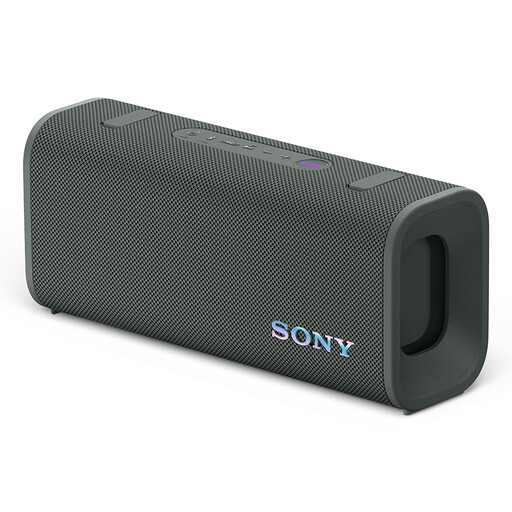
Why it suits this profile: A larger wireless speaker for listeners who want more volume, adjustable sound and long battery life at home or outdoors.
The product information lists IP67, 24 hours of battery life and a 7-band equaliser. Stated play time may vary depending on volume and settings.
27 W RMS according to the specifications, power bank function, 3.5 mm input and horizontal or vertical positioning.
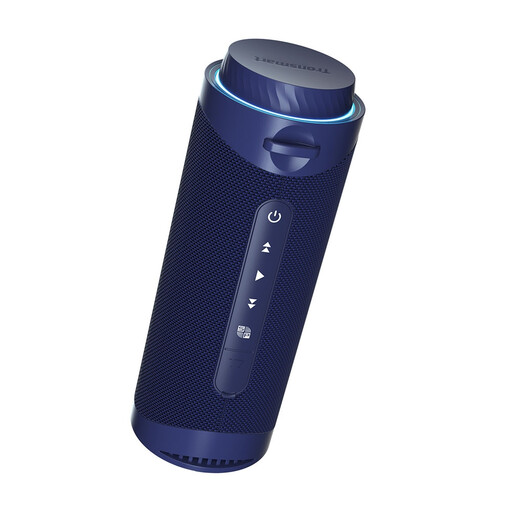
Why it suits this profile: An outdoor speaker for users who want extra volume, LED lighting and stereo pairing for a party, camping trip or gathering.
The IPX7 rating and Bluetooth 5.3 are clearly listed. Bear in mind that battery life will be shorter when the LED lighting is switched on.
30 W output, TWS, LED lighting, microphone, USB-C and a stated play time of up to 12 hours with the lights off.
We’ve put together a complete, up-to-date list of products that meet these strict selection criteria and current European safety regulations.
Switch on the speaker and activate pairing mode. Then open the Bluetooth settings on your smartphone and select the speaker’s name. Some Sony models support Fast Pair on Android devices. You may need to pair the devices the first time; after that, the speaker will usually reconnect automatically.
It depends on the volume, music and features such as LED lighting or bass boost. Check the stated play time, but treat it as a maximum under specific conditions. For regular outdoor use, a model with a stated play time of 12 to 16 hours is often a practical choice. If you spend long days away from a plug socket, consider a model with 24 hours of battery life or a power bank function.
It depends on the IP rating. An IP67 or IPX7 model is designed to withstand water better than one without such a rating. Make sure port covers are securely closed, avoid charging the speaker when it’s wet and follow the manufacturer’s safety instructions. Salt water, chlorine and powerful water jets can still cause damage.
