
Vandaag of morgen in huis

Kwaliteit gegarandeerd

Welkomstaanbiedingen ontgrendelen: GRATIS bezorging | Tot 80% korting | Gratis 30 dagen JoyPlus-proefperiode
Download de app
A portable Bluetooth speaker may seem simple to choose: select a colour, compare a few prices and connect your phone. In practice, speakers vary considerably in size, battery life, sound quality and protection against water. A model that works well in the living room may not necessarily be suitable for the beach, camping or a party.
Pay particular attention to these common pitfalls:
For an outdoor Bluetooth speaker, the IP code is a useful practical check. The first digit indicates protection against solid particles, such as dust. The second digit relates to water.
An IP67 Bluetooth speaker is classed as fully dust-tight and suitable for temporary immersion under specified conditions. This does not mean you can leave the speaker in a swimming pool for an extended period. Also check the USB-C cover: it must be properly closed before exposing the speaker to water. Salt water, chlorinated water and high-pressure jets can also pose different risks from ordinary splashes.
A model with IP66 is protected against dust and powerful water jets, but does not have the same immersion rating. A speaker without an IP code is less suitable for the beach, pool or rain.
A Bluetooth speaker with long battery life is useful on holiday, during a bike ride or at the campsite. Do not just look at the highest number of hours; also consider the conditions under which this figure was measured.
Check:
USB-C is practical because the same cable is often used for your phone, tablet or other accessories too. A larger battery does not automatically make a speaker more convenient: the extra weight may actually be impractical when you are out and about.
A compact Bluetooth speaker weighing less than 300 grams is easy to fit in a bag. A larger model, on the other hand, may deliver more volume and fuller low frequencies, but takes up more space.
Pay attention to the difference between mono and stereo playback. A 1.0 speaker uses a single speaker channel. Some models support TWS pairing, allowing two identical speakers to form a stereo system. Also look for a passive radiator, tweeter or separate woofer if you value a speaker with good bass.
Sound quality still depends partly on positioning, the music source and personal preference. Brands may promote their own sound features, but such claims are not a universal guarantee. The selection below therefore focuses mainly on specifications that can be checked.
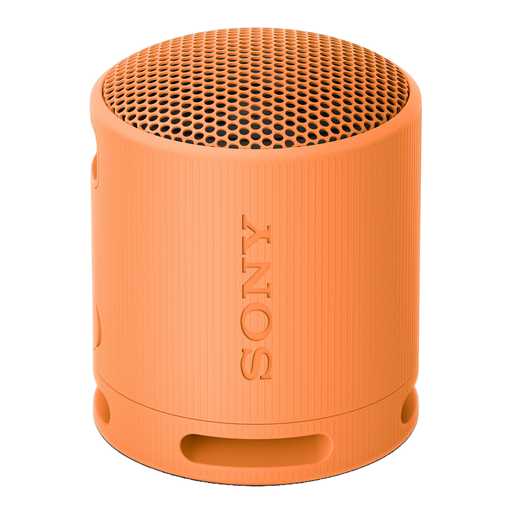
Why it suits this profile: This lightweight wireless speaker weighs 274 grams and features Bluetooth 5.3, USB-C and an adjustable carrying strap. That makes it practical for everyday use, carrying in a bag or taking on a short trip.
The IP67 rating is more specific than a general waterproof claim alone. The quoted 16-hour battery life also provides a clear benchmark, although actual performance depends on volume and usage.
274 grams, IP67, up to 16 hours of battery life, Bluetooth 5.3 and support for pairing with a second speaker.
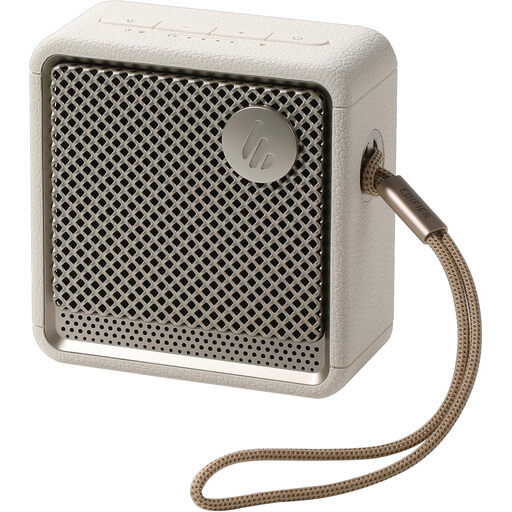
Why it suits this profile: The Edifier ES20 combines a compact design with Bluetooth 5.4, 6W RMS output, passive bass radiators and control via the ConneX app.
This choice is based on specific audio components and features rather than wattage alone. Its IP67 rating also makes it more suitable for outdoor use.
Bluetooth 5.4, IP67, up to 15 hours of playback, 360° sound and stereo pairing.
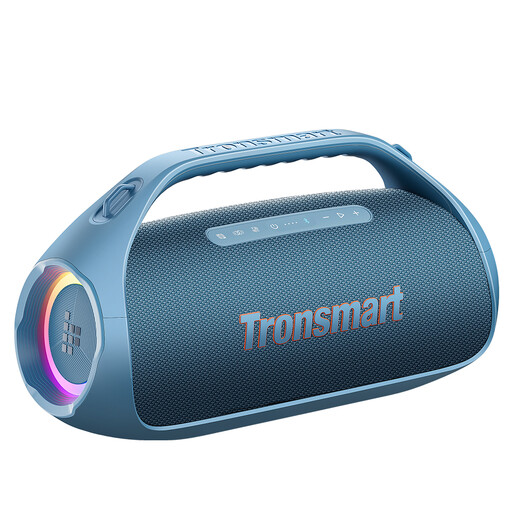
Why it suits this profile: This larger model is designed for users who need more volume at a garden party or outdoor event. The handle and detachable carrying strap make it easier to move around.
Playback time is specified for different usage scenarios: up to 26 hours without LED lighting at 50% volume, and up to 7 hours with lighting at the same stated volume. This makes the impact of additional features clear.
90W quoted power, Bluetooth 5.3, up to 26 hours under the stated conditions and TWS support.

Why it suits this profile: The BV800 is ideal if you want to use radio, AUX, a USB stick and microSD as well as Bluetooth. The LCD display and physical buttons are useful when you do not want to reach for your phone every time.
The product specification lists several playback options and an 1800 mAh battery. The quoted playback time of up to 20 hours still depends on volume and content, so use it as a guideline.
Bluetooth 5.3, FM radio, AUX, USB and microSD, plus a quoted battery life of up to 20 hours.
We have put together a complete, up-to-date list of products that fully meet these strict selection criteria and the applicable European safety regulations.
Pairing a wireless speaker usually works as follows:
On models with an app, you can use additional settings such as an equaliser or lighting controls. Keep an eye on the firmware, charge level and USB port cover. Do not charge a wet speaker; allow it to dry completely first.
This depends on the capacity, volume, Bluetooth features in use and any lighting. The models in this overview quote playback times of approximately 12 to 26 hours, but these are only stated guidelines. At higher volumes, actual battery life is often shorter.
Choose a model with a clear IP rating for this purpose. IP67 offers greater protection than IPX6 against temporary immersion, but always follow the manufacturer's instructions. According to product information from various brands, sealed connections are important, while salt water, chlorinated water and prolonged exposure are not without risk.
A compact speaker mainly uses its built-in battery during playback. Costs depend on the battery capacity, how often you recharge it and your electricity tariff. USB-C charging generally uses little energy per charge. However, a speaker with LED lighting or a high volume can drain the battery more quickly.
