
Vandaag of morgen in huis

Kwaliteit gegarandeerd

Welkomstaanbiedingen ontgrendelen: GRATIS bezorging | Tot 80% korting | Gratis 30 dagen JoyPlus-proefperiode
Download de app
A portable Bluetooth speaker might seem easy to choose at first. But models can vary considerably in battery life, water protection, sound quality and connectivity. A compact speaker for the train has different requirements from a Bluetooth speaker for outdoor use, camping or a garden party.
Watch out for these three common pitfalls:
If you’re heading to the beach, using your speaker by the pool or taking it on a rainy walk, the IP code is a useful way to compare models. The first digits refer to protection against solid particles such as dust. The second digit relates to water.
According to the relevant product information, an IP67 Bluetooth speaker is dust-tight and suitable for temporary immersion under specific conditions. That doesn’t mean you can use it underwater indefinitely. Ports must be closed, and you should never charge your device near water. A model with IP66 protection can withstand dust and powerful water jets, but it isn’t the same as an IP67 model.
A portable speaker with a battery is useful when you don’t have a plug socket to hand. As well as the maximum play time, compare:
A Bluetooth speaker with long battery life isn’t automatically suitable for a long trip. A model with a stated play time of 20 hours might be appealing for camping, for example, but check its weight and charging time too. Many models have a built-in battery that isn’t easy to replace.
A compact Bluetooth speaker should be easy to carry as well as small. A carrying loop, silicone strap or carabiner attachment can be more practical on the go than a smooth casing.
The Bluetooth version and range give you an indication of the connection, but walls, other wireless devices and your smartphone can also affect it. If you want to listen to music with someone else, look for a multipoint connection or stereo pairing. With TWS or a similar feature, two compatible speakers connect wirelessly to create left and right channels.
The selection below is based on specifications that can be checked in the product information. Claims about sound quality, protection and battery life are presented as stated by the manufacturer or seller.
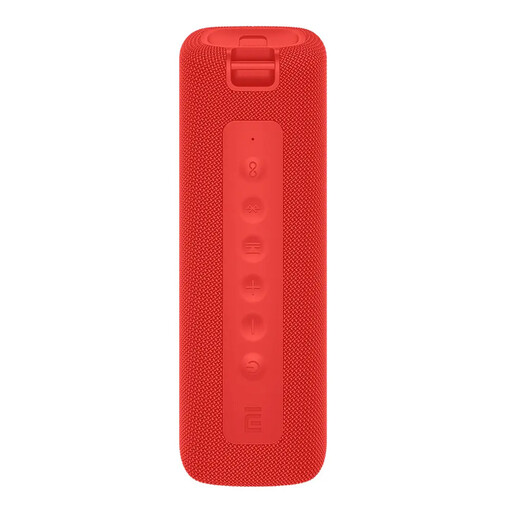
Why it suits this profile: This model combines 16W output with a relatively simple design and USB-C charging. That makes it a practical choice for everyday use, at home or when you’re out and about.
The IPX7 rating is clearly stated. According to the product information, the maximum play time of 13 hours applies at 50% volume, so expect less time at higher volumes.
16W output, IPX7 water protection, USB-C and TWS support for stereo pairing.
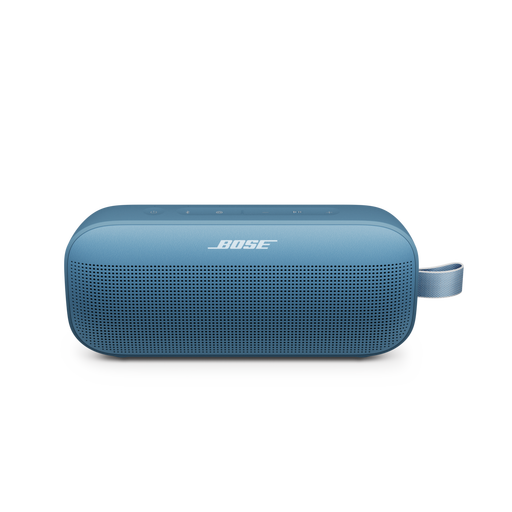
Why it suits this profile: Its compact casing, app controls and built-in microphone make this a good fit for anyone looking for a wireless speaker to use both at home and on the go.
The IP67 rating clearly states the level of protection. According to Bose, PositionIQ adjusts the sound to the speaker’s position. This is a brand claim, not a guarantee of the same experience in every room.
IP67, USB-C, up to 12 hours of battery life and Bose SimpleSync for compatible pairing.
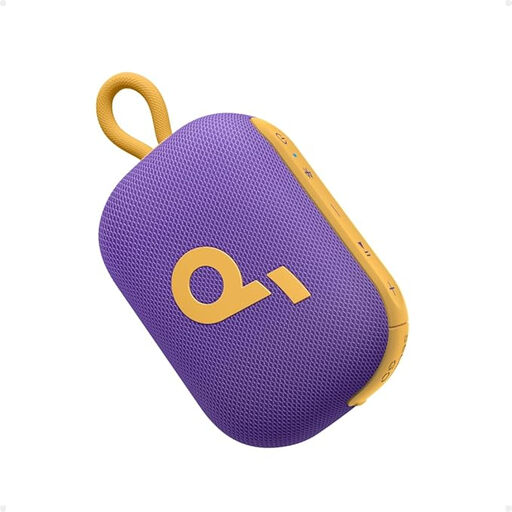
Why it suits this profile: With its light weight, carrying strap and stated play time of up to 20 hours, this model is designed for walks, travel, days at the beach and everyday use.
The IP67 rating means you don’t have to rely on the vague term “water-resistant”. According to the product information, the speaker can float. Even so, always check that the connections are properly sealed.
Around 264 grams, IP67 protection, 5W output, carrying strap and TWS pairing.
We’ve put together a full, up-to-date list of products that meet these strict selection criteria and comply with current European safety regulations.
First, charge the speaker and switch it on. Then open the Bluetooth settings on your smartphone and select the device name. You may be asked to confirm the pairing or enter a PIN the first time you connect. If it won’t connect, remove the speaker from the Bluetooth list and start the pairing process again.
It varies depending on the model and how you use it. The stated battery life is usually measured at a particular volume, sometimes with features such as lighting switched off. Playing music louder will reduce the play time. A built-in lithium-ion battery can lose capacity over time, so check how it charges, how long it takes to charge and what the warranty covers before you buy.
You can, provided the manufacturer says the model is suitable and its IP rating matches how you plan to use it. For rain, sand and occasional contact with water, models with IP66 or IP67 ratings are useful to compare. Avoid charging the speaker in damp conditions, and let it dry before connecting it via USB-C if it gets wet.
