
Vandaag of morgen in huis

Kwaliteit gegarandeerd

Welkomstaanbiedingen ontgrendelen: GRATIS bezorging | Tot 80% korting | Gratis 30 dagen JoyPlus-proefperiode
Download de app
A portable Bluetooth speaker may seem easy to choose: compare the power output, check the price and pick a colour. But small differences in battery life, water resistance and size can make a big difference to everyday use. A speaker that sounds great in your living room may not be right for the beach or a bike ride.
Focus on what you actually need. Marketing terms such as “powerful bass” or “waterproof” only tell you so much unless they’re backed up by specifications you can check.
Manufacturers usually state the maximum playback time for a particular volume and set of settings. LED lighting, louder playback and demanding audio content can all reduce battery life. For example, the Tronsmart T7 is rated for up to 12 hours without lighting, but up to 7 hours with the LEDs on. Treat the stated playback time as a guide, not a guarantee for every listening situation.
According to the IP rating, an IP67 Bluetooth speaker is fully dust-tight and can be temporarily immersed in fresh water under specified conditions. An IPX7 Bluetooth speaker is protected against temporary immersion, but this doesn’t automatically tell you anything about its dust resistance.
Salt water, chlorine, high-pressure jets and a charging flap that isn’t properly closed can still cause damage. Always check the manual. For example, the Sony SRS-XB100 comes with warnings to avoid prolonged exposure to salt or chlorinated water.
Output power indicates the available amplification, but it doesn’t determine how a speaker sounds on its own. The enclosure, speaker configuration, placement and frequency response all play a part too. A compact 5 W speaker may be enough for a hotel room, while a 30 W model may be a better fit for a garden or small gathering.
Also consider the difference between a mono speaker and a model with multiple channels. If you want a more spacious sound, being able to pair two speakers using TWS can be a useful feature.
For use by the pool, at the beach or on a walk, it’s sensible to look for a clearly stated IP rating. A waterproof Bluetooth speaker with IP67 generally gives you more information about dust protection than a model with an IPX rating alone.
Also check:
A Bluetooth speaker with long battery life is especially useful for travelling, camping and long days outdoors. As well as the maximum playback time, check how long it takes to charge and what type of connection it uses. USB-C is handy because many phones, tablets and power banks use the same cable.
Examples from the product specifications:
A compact Bluetooth speaker weighing around 250 to 300 grams is easy to slip into a bag. A heavier model may offer more volume and fuller bass, but it’s less convenient to carry every day. Look out for a carrying loop, adjustable strap or mounting option too.
Extra connections can be useful at home. According to its product specifications, the Mlove A200 has AUX, USB and a TF card slot as well as Bluetooth. At over 3 kilograms, though, it’s considerably heavier than a small portable speaker.
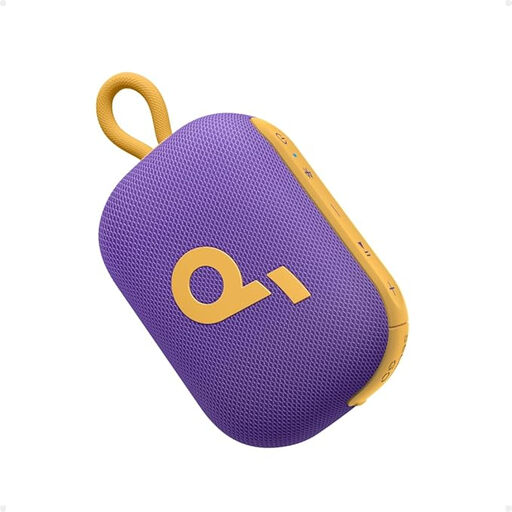
Why it suits this type of user: At 263.65 grams, this lightweight model is easy to take to the office, bathroom, on a walk or to the beach.
The product specifications state IP67 protection and up to 20 hours of playback. You can clearly check both its protection rating and battery life.
Rated for 20 hours of playback, IP67, floating design, TWS pairing and adjustable equaliser.
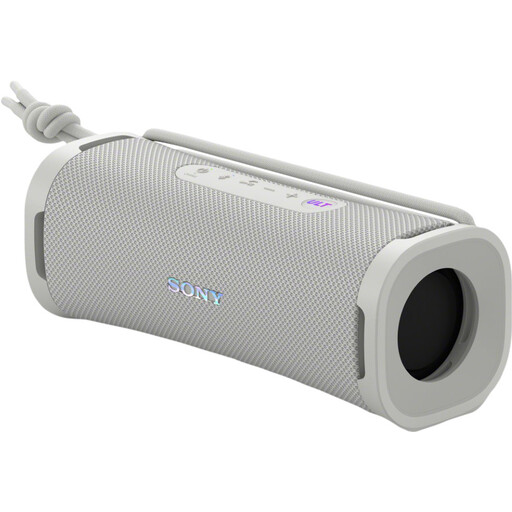
Why it suits this type of user: This model combines a 30W RMS specification with an equaliser in the Sony Music Centre app, making it suitable for use at home and outdoors.
The IP67 rating, 650-gram weight and stated 12-hour battery life make the key features for outdoor use easy to check.
30W RMS, IP67, Bluetooth 5.3, app-based equaliser and support for pairing with another speaker.

Why it suits this type of user: Its 30W output, 360° sound and TWS pairing make it a good fit for parties, garden gatherings and outdoor use.
The IPX7 rating is clearly stated. The product specifications also distinguish between up to 12 hours without the LEDs and 7 hours with them on.
30W output, Bluetooth 5.3, range of up to 18 metres in open space, IPX7 and an adjustable app-based equaliser.
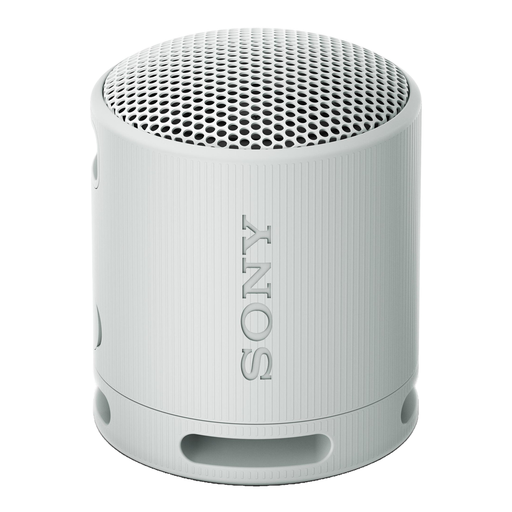
Why it suits this type of user: Weighing 274 grams, with a carrying strap and a stated battery life of 16 hours, this model is designed for on-the-go use.
The battery life, dimensions and IP67 rating are all clearly stated. This makes it easier to compare the model with general claims about portability.
Rated for 16 hours of battery life, IP67, Bluetooth 5.3, USB-C and a built-in microphone for hands-free calls.
We’ve put together a complete, up-to-date list of products that meet these strict selection criteria and comply with current European safety regulations.
Switch on the speaker and activate pairing mode. Then open the Bluetooth settings on your smartphone and select the speaker’s name. You may need to fully charge the speaker before connecting it for the first time. Keep your phone close by while pairing.
It depends on the battery capacity, charging habits, volume and storage conditions. A stated playback time of 12 to 20 hours doesn’t mean the speaker will last that long in every situation. Avoid prolonged exposure to heat, use a suitable charging cable and don’t charge a lithium-ion battery while the speaker’s casing is still wet.
Yes, as long as the model is designed for it and has a suitable IP rating. If you’re choosing a Bluetooth speaker for outdoor use, always check the limits of that rating. Water protection isn’t the same as protection against drops, salt water or prolonged exposure to rain. After using the speaker outdoors, put it somewhere dry and make sure the charging port is properly closed.
