
Vandaag of morgen in huis

Kwaliteit gegarandeerd

Welkomstaanbiedingen ontgrendelen: GRATIS bezorging | Tot 80% korting | Gratis 30 dagen JoyPlus-proefperiode
Download de app
A portable Bluetooth speaker seems easy to choose: connect your phone, press play and take it with you. But many buyers later find themselves disappointed by short battery life, insufficient volume or a casing that turns out not to be suitable for rain and sand. So the right choice depends on more than just wattage or an attractive product photo.
In this buying guide, you’ll find out what to look for in a portable Bluetooth speaker, which specifications make a difference in everyday use and which type suits the way you’ll use it in the UK: at home, on your bike, while camping or at the beach.
Manufacturers usually state the maximum playback time. This can vary depending on the volume, type of music and extra features such as lighting or an active bass mode. So a speaker with a stated battery life of 24 hours won’t necessarily play for 24 hours at the same volume in every situation.
So check:
A waterproof Bluetooth speaker isn’t automatically suitable for prolonged exposure to water. Check the IP rating. On an IP67 speaker, the first digit indicates that the casing is completely dust-tight. The second digit refers to temporary immersion under the conditions specified by the manufacturer.
The protection rating usually only applies when all covers and ports are fully closed. Salt water, chlorine, high-pressure jets and charging the speaker while it’s wet can still cause problems. After using a speaker by the sea, gently rinse it with fresh water if the manual allows this, then dry it thoroughly.
Higher RMS power can help you achieve a higher volume, but it doesn’t tell you everything about the listening experience. The size of the casing, speaker configuration, passive radiators and placement in a room all play a part too. A compact Bluetooth speaker can sound clear, but generally produces less sound pressure and bass response than a larger model.
Also look at whether the speaker offers mono or stereo playback, the option to pair two speakers and an equaliser in the app. According to Sony, the ULT sound modes on certain models are designed to adjust the bass response. Think of this as a setting you can change, rather than a guarantee of a particular sound in every room.
Portability matters when you’re cycling, walking or commuting. A 274-gram speaker is easier to attach to a bag than a 3.3-kilogram model. As well as the weight, check:
A Bluetooth speaker for outdoor use should also be sturdy enough to take with you, but not unnecessarily large if you’ll mainly use it on the go.
For a full day outdoors, 12 to 16 hours is often practical, depending on your listening volume. If you’re going on longer trips or looking for a speaker for a party, consider models with a stated battery life of 24 or 25 hours. A USB-C connection is handy these days, as the same cable is often used for a phone or tablet too.
A built-in microphone can be useful for hands-free calls. Just check whether this matters to you; extra features can increase the price and power consumption.
For camping, trips to the beach and use in the garden, IP66 and IP67 are useful ratings to look out for. According to the product information, IP67 offers protection against dust and temporary immersion under specific conditions. It doesn’t mean you can use the speaker underwater indefinitely.
An IP rating doesn’t replace careful maintenance either. Close the protective cover properly, only charge the speaker once it’s dry and avoid prolonged exposure to extreme heat.
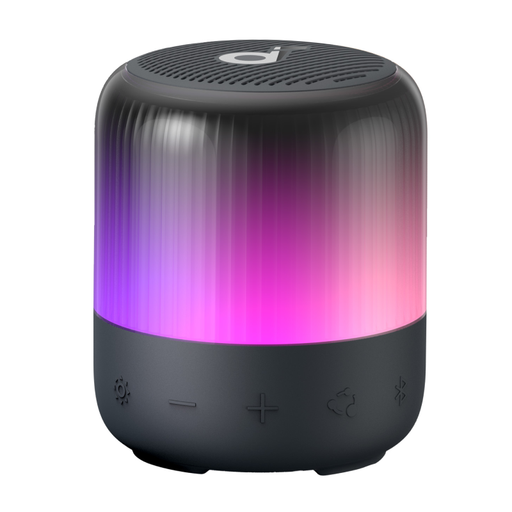
Why it suits this profile: This compact model is designed for use at home, on the go and for casual outdoor occasions. Its stated battery life is 12 hours, and it has an adjustable equaliser and lighting.
The IP67 rating in the product information gives you a clearer idea of its suitability for dusty conditions and temporary contact with water than the term “water-resistant” alone.
360° sound according to the product description, 12 hours of battery life, IP67 and adjustable lighting.
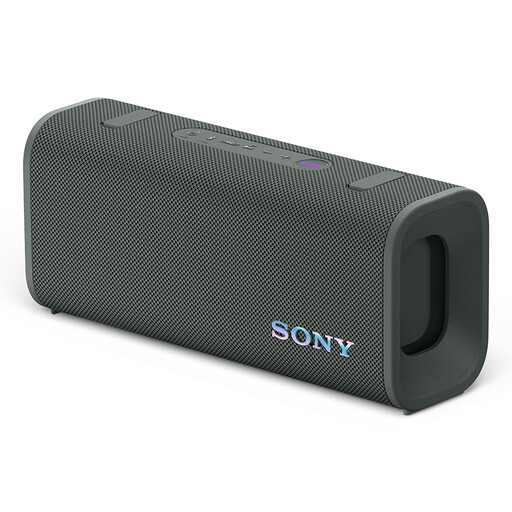
Why it suits this profile: This Sony Bluetooth speaker combines 27 W RMS, a 7-band equaliser, a shoulder strap and a stated battery life of 24 hours.
The specifications include not only a bass mode, but also RMS power, battery life and an IP67 rating to help you make a more informed choice.
Stated battery life of 24 hours, USB power bank function, 27 W RMS and Bluetooth 5.2.
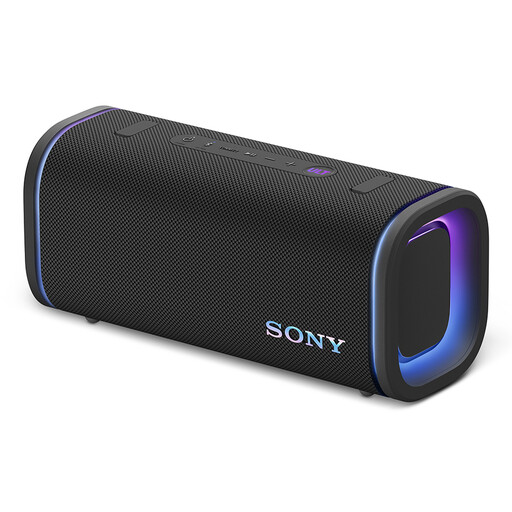
Why it suits this profile: Weighing 3.3 kg, with a stated battery life of 25 hours and 27 W RMS, this model is better suited to garden parties, larger spaces and anyone who wants to charge it less often.
The weight and dimensions are clearly listed. So you can see straight away that this isn’t a lightweight speaker for everyday cycling, but a larger portable model.
Stated battery life of 25 hours, IP67, a 10-band equaliser and 360° lighting according to the product description.
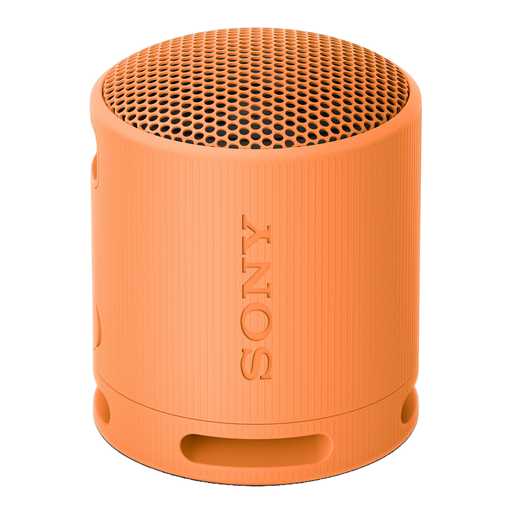
Why it suits this profile: At 274 grams, with a carry loop, Bluetooth 5.3 and a stated battery life of 16 hours, this is a practical choice for your bag, balcony, picnic or bike ride.
Its low weight makes it clear what this model is designed for. The IP67 rating also helps you assess its resistance to dust and water more accurately.
274 grams, stated battery life of 16 hours, IP67 and the option to pair with a second speaker.
We’ve put together a complete, up-to-date list of products that meet these strict selection criteria and comply with the applicable European safety regulations.
Turn on the speaker and activate pairing mode. Then open the Bluetooth settings on your smartphone and select the speaker’s name. You may need to confirm the connection the first time you pair it. Keep the speaker close to your phone while pairing, and check that it isn’t already connected to another device.
Battery life per charge is usually stated in hours, but the volume and extra features affect how long it lasts. The speaker’s overall lifespan depends on charging habits, storage, drops and exposure to water or heat. Keep the protective covers closed and don’t charge a wet speaker.
A portable speaker mainly uses power while it’s charging. Its energy use during playback depends on the volume, amplifier power and features such as lighting. A model with longer battery life doesn’t necessarily use less energy; it may simply have a larger battery. So check how it charges, and switch the speaker off when you’re not using it.
