
Vandaag of morgen in huis

Kwaliteit gegarandeerd

Welkomstaanbiedingen ontgrendelen: GRATIS bezorging | Tot 80% korting | Gratis 30 dagen JoyPlus-proefperiode
Download de app
A portable Bluetooth speaker seems simple to choose: pick a size, compare the price and check the number of battery hours. In practice, the differences are mainly in protection, connections and the purpose the speaker is designed for. A compact speaker for the kitchen has different requirements to a Bluetooth speaker for outdoor use, a campsite or a party.
A product labelled waterproof isn’t automatically suitable for prolonged contact with every type of water. Always check the IP rating. With an IP67 speaker, the first digit 6 means the housing is completely dust-tight. The digit 7 refers to temporary immersion under specific conditions, typically in fresh water.
Salt water, chlorinated water, high-pressure jets and a connection flap that isn’t fully closed can still cause problems. After use at the beach, gently rinse a speaker with fresh water if the manufacturer recommends it, and only charge it once the casing and port are dry.
A mention like “20 hours of playtime” is usually a maximum value. The actual result depends on volume, type of music, connection and any lighting effects you’ve enabled. If you’re after a speaker with long battery life, treat the quoted time as a guideline.
Also check the charging port. USB-C is practical because many households already have a suitable cable and charger. Do verify whether a charger is included; many models come with just a cable.
A compact Bluetooth speaker is easy to carry, but it generally has less room for drivers and low-end than a larger model. So don’t look only at wattage or marketing terms like “powerful bass”. Consider the number of channels, driver size, the stated RMS value and the option to pair two speakers.
A mono speaker can be fine for podcasts, background music and use on the go. For films, games or music in a larger room, stereo or pairing two units may make more sense.
For indoor use, water resistance is often not required. For the beach, pool or campsite, water and dust resistance are useful. An IP66 rating protects against dust and powerful water jets, while IP67 also indicates temporary immersion under set conditions.
No IP rating makes a speaker indestructible. Check the manual before buying, close protective flaps carefully and avoid charging when wet.
A portable speaker should fit how you carry it. A model weighing a few hundred grams fits in a bag or can be clipped to a belt. A larger speaker can deliver more volume and bass, but becomes less convenient for cycling, walking or using public transport.
Compare at least:
Bluetooth 5.2 or 5.3 provides a modern wireless link, but doesn’t in itself guarantee better sound. Check whether your smartphone, tablet or laptop is compatible and whether the speaker supports codecs such as AAC and SBC.
For a computer, television or games console, a wired connection can be useful. A 3.5mm aux input or USB audio input makes a speaker more versatile. Note that on many products, USB-C is for charging only and isn’t automatically an audio input.
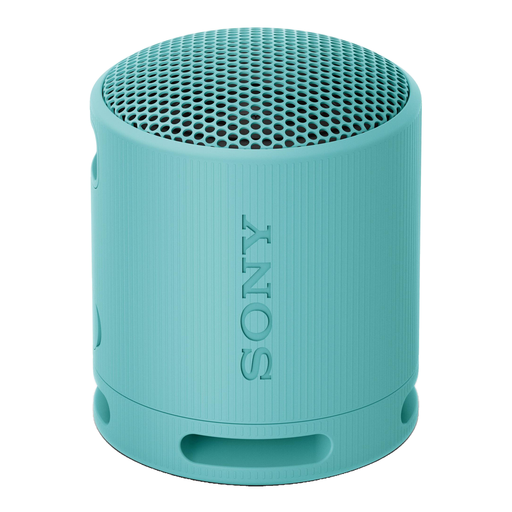
Why this fits the profile: This lightweight Sony Bluetooth speaker weighs 274 g and has an adjustable carry strap. That makes it suitable for everyday use at home, on the go or on a walk.
The specs clearly state 16 hours of battery life, Bluetooth 5.3 and IP67 dust and water protection. Do still pay attention to the limits of the IP rating when used outdoors.
274 g, USB-C, AAC and SBC support, built-in microphone and pairing with a second speaker via TWS.
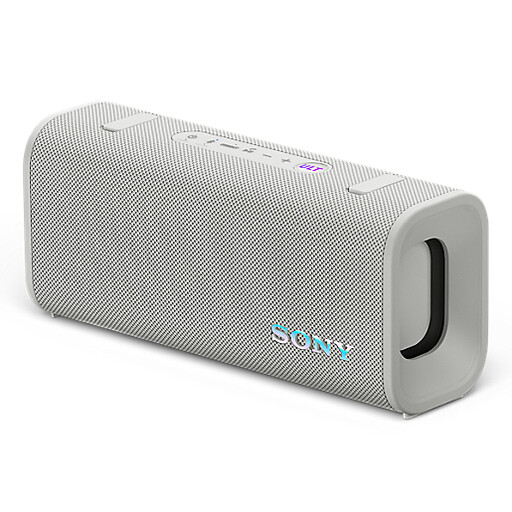
Why this fits the profile: This larger model is aimed at users who want more volume and tuning options for home, garden, campsite or gatherings.
Beyond a marketing mode, the product information lists 27 W RMS power, a 7-band equaliser and an IP67 rating. That lets you assess size, output and protection separately.
Up to 24 hours quoted battery life, power bank function, 3.5mm input, carry strap and a weight of about 1.2 kg.
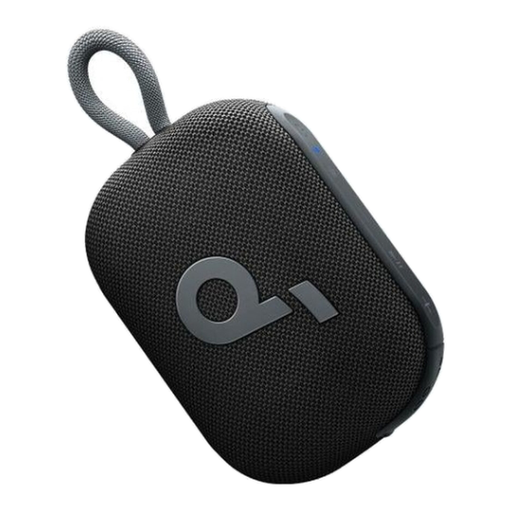
Why this fits the profile: This ultra-light portable speaker is geared towards hiking, cycling, beach trips and other situations where luggage space is limited.
The product details state both IP67 protection and a weight of around 264 g. That gives you more to go on than the generic label “outdoor speaker”.
Up to 20 hours quoted battery life, 5 W output, integrated carry loop and TWS pairing for two speakers.
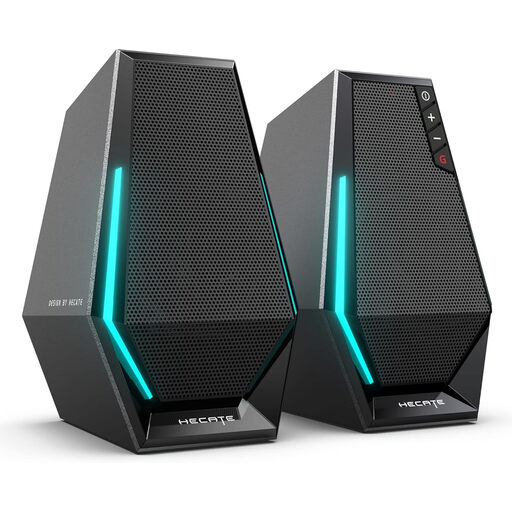
Why this fits the profile: This isn’t a battery-powered portable speaker, but a practical wireless speaker for a desk, gaming PC or laptop.
The connections are clearly specified: Bluetooth 5.3, USB and 3.5mm aux. So you don’t pay for a battery or IP rating you don’t need at a desk.
Two 2.5-inch full-range drivers, 10 W peak power, three input options and adjustable RGB lighting.
We’ve put together a complete, up-to-date list of products that fully meet these strict selection criteria and comply with current European safety regulations.
First charge the speaker and switch it on. Hold the Bluetooth or pairing button until the indicator light flashes. Then open the Bluetooth settings on your smartphone, tablet or laptop and select the speaker’s name. On some Android devices the speaker supports a quicker pairing option, such as Fast Pair.
Battery life varies by model and usage. The product specifications often quote values like 12, 16, 20 or 24 hours. These are usually maximum or stated usage values. High volume, heavy bass and extra features can shorten the actual playtime. For regular outdoor use, a USB-C port and a battery indicator are practical.
You can if the model is designed for it and has an appropriate IP rating. A waterproof Bluetooth speaker with IP67 is better prepared for dust and temporary exposure to fresh water than a model without an IP rating. Do not use the speaker while charging, close port flaps properly and always follow the manufacturer’s safety instructions.
