
Vandaag of morgen in huis

Kwaliteit gegarandeerd
Download de app
Categorieën

A portable Bluetooth speaker seems like a simple purchase until you dive into the specifications. A model that looks great might have disappointing battery life. Another might not withstand an unexpected downpour by the pool or in the park. The wrong choice can lead to frustration: a dead battery halfway through your day out or a broken device after a fall. This guide helps you make an informed decision based on factual specifications.
To ensure you make the right choice, it's helpful to understand a few key technical specifications. These parameters determine how a speaker performs in real-world scenarios.
The IP (Ingress Protection) rating indicates how well a device is protected against dust and moisture. It consists of two digits.
6 means the device is completely dust-tight.Manufacturers often specify battery life based on usage at a moderate volume. At higher volumes, the battery will drain faster. A long-lasting battery speaker offers at least 10-12 hours of real-world playback time. Also, consider the charging method. USB-C is the current standard, ensuring you can charge the speaker with the same cable as your phone.
The power output, expressed in Watts (W), provides an indication of the maximum volume. A higher wattage doesn't automatically mean better sound quality. Quality is determined by the drivers (the speakers themselves), the presence of passive radiators for bass response, and the built-in sound processor. A small wireless speaker can still produce a full-bodied sound thanks to smart engineering.
A compact travel speaker weighing 200-400 grams fits easily into a jacket pocket or a backpack's side pouch. Models weighing 500-700 grams are still portable but often offer more power and deeper bass, making them more suitable for small groups in the park or garden.
Below is a selection of portable Bluetooth speakers, analysed based on their specifications and intended use case.
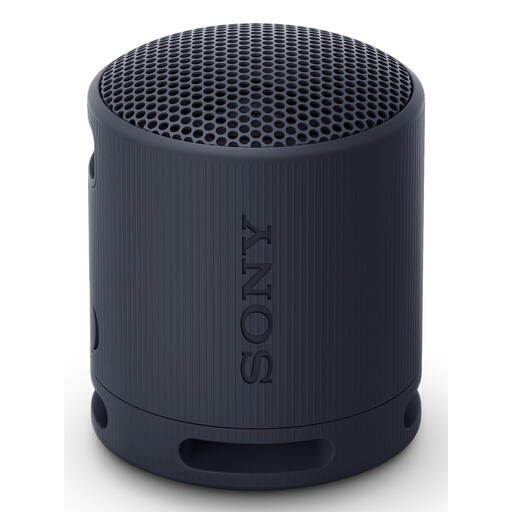
Why we chose it: The SRS-XB100 is engineered for maximum portability without compromising on durability. Its low weight and IP67 rating make it a reliable companion for travellers and active users.
Pros:
Who it's for: This is an ideal travel speaker for the solo traveller, hiker, or cyclist looking for an ultra-light and robust speaker. Its size is perfect for attaching to a bag, and the battery life is sufficient for a full day on the move.
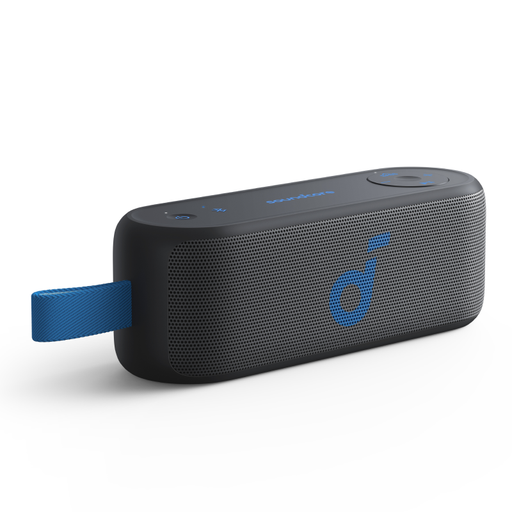
Why we chose it: This Anker Soundcore speaker focuses on extended playtime and stereo sound in a still-portable package. The BassUp technology is designed to boost low-end frequencies, a feature many users appreciate for outdoor listening.
Pros:
Who it's for: Suitable for users who prioritise a long-lasting battery speaker above all else. Ideal for a weekend camping trip or long days at the beach where charging isn't readily available. The stereo sound and higher power output make it a great choice for small groups.
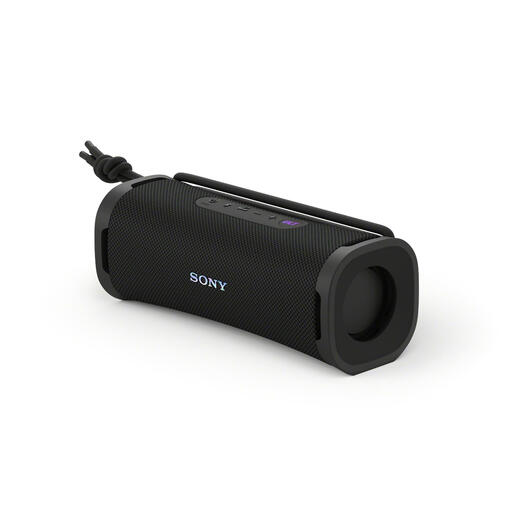
Why we chose it: This Sony speaker is built for impact, both in its sound and its durability. The ULT POWER SOUND mode is focused on producing deep, powerful bass. Its shockproof design and IP67 rating make it a highly robust outdoor speaker.
Pros:
Who it's for: For the user seeking maximum volume and bass in a portable form factor. Perfect for backyard parties, at the sports club, or in other environments where the speaker needs to be durable and cut through background noise.
Choosing a speaker is a personal decision that depends on your specific needs regarding sound profile, size, and budget. The models above represent popular choices for various scenarios. However, if you're looking for a model with different specifications, another brand, or perhaps a larger speaker for home use, we have you covered.
For a broader overview of available models, you can browse our main hi-fi speakers category.
1. What exactly does the IP rating on a Bluetooth speaker mean? The IP rating, such as IP67, indicates the degree of protection. The first digit (6) stands for complete dust protection. The second digit (7) means the speaker can be submerged in 1 metre of fresh water for up to 30 minutes without damage. An IPX7 rating has not been tested for dust protection but is certified for submersion.
2. How important is the power output (Watts) for a portable speaker? Wattage is an indicator of maximum volume but says little about the sound quality. A 5W speaker with a quality sound processor and passive radiator can sound better than a poorly designed 10W speaker. Focus on the combination of power, drivers, and any sound-enhancement technologies mentioned by the manufacturer.
3. Can I pair two different Bluetooth speakers together? Generally, you can only pair speakers of the same brand, and often even from the same product line, to achieve stereo sound or higher volume. Features like "Stereo Pair" (Sony) or "PartyCast" (Anker) are brand-specific. It is not typically possible to pair a Sony speaker with an Anker speaker.