
Vandaag of morgen in huis

Kwaliteit gegarandeerd

Welkomstaanbiedingen ontgrendelen: GRATIS bezorging | Tot 80% korting | Gratis 30 dagen JoyPlus-proefperiode
Download de app
Portable Bluetooth audio equipment comes in many forms, from open-ear headphones for running to portable Bluetooth speakers with FM radio. With so much choice, comparing products can be difficult. A low price tells you little about comfort, connectivity or how well a device will cope with wet conditions.
So before you buy, look beyond the Bluetooth version and sound claims. Most importantly, consider how well the device suits your everyday needs. A swimmer has different requirements from someone who listens to CDs at home or wants to listen to the radio while studying.
A product with IP68 waterproof in its name is not automatically suitable for every swimming situation. An IP rating indicates protection against dust and water under certain test conditions. These conditions can vary depending on the product and how long it is used.
So check:
An IP rating is no substitute for following the instructions. For example, the Mojawa Run Plus product information says to rinse the headphones with fresh water after swimming or contact with salt water, and to let them dry completely before charging.
A newer Bluetooth version doesn’t automatically mean that every device sounds better or has a stable connection everywhere. The distance from your smartphone, obstacles and compatibility between both devices also play a part.
As well as Bluetooth, check which connections you’ll actually use:
A higher wattage mainly tells you about the electrical power, not how a device will sound in every room. For example, the Mlove BV800 lists a 40mm speaker, a low-frequency amplifier and 8W of power. According to the product description, it also supports various audio formats and offers around 20 hours of playback. Actual battery life depends on the volume, audio source and conditions of use.
Also consider the controls. Physical buttons are handy outdoors or when your hands are cold. An LCD screen can help you find radio frequencies and playback modes, while others may find smartphone controls more convenient.
Bone-conduction headphones or open-ear Bluetooth headphones leave your ear canal unobstructed. This means you can still hear ambient sounds while walking, cycling or running. It’s a design feature, not a guarantee of safety in traffic. Stay alert and adjust the volume to suit your surroundings.
When choosing sports headphones, check:
The Mojawa Run Plus models list 32 GB of built-in storage, Bluetooth and an open-ear bone-conduction design. You can store music on the headphones, which may be useful for a workout when you’d rather leave your phone at home.
A portable speaker with a larger battery will usually let you listen for longer, but the stated playback time is only a guide. The Mlove BV800 is listed with a built-in 1800 mAh lithium-ion battery and up to 20 hours of playback. Use a suitable 5V charger as specified in the product information.
These options are worth considering if you want to listen to music without an internet connection:
If you don’t want to stream from your phone all the time, consider a Bluetooth speaker with FM radio, a retro Bluetooth radio or a portable CD player. Check whether radios support AM, FM and, if relevant, shortwave. With a CD player, anti-skip protection, power options, Bluetooth and USB-C are important features to look for.
Bluetooth connectivity and a CD tray complement each other: you can stream wirelessly while still using your existing CD collection. With older devices, it’s worth checking that they can actually pair with the headphones or speaker you want to use.

Why it suits this profile: This compact speaker combines Bluetooth with FM radio, AUX, USB and a TF card slot. That makes it suitable for home, studying, a bedroom or a day out.
You’re not limited to Bluetooth: the speaker also lists AUX, USB drive, TF card and FM radio as additional sources.
Bluetooth, FM radio, LCD screen, 1800mAh battery and up to 20 hours of playback according to the product information.
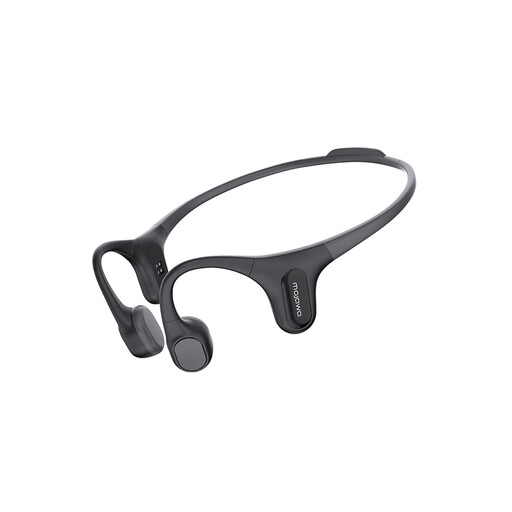
Why it suits this profile: The combination of an open-ear design, Bluetooth, local storage and a stated IP68 rating is a good fit for runners and fitness enthusiasts who want to rely less on a smartphone.
The built-in 32GB storage means you don’t need a phone connection for every workout. Follow the manufacturer’s instructions when using a product with an IP68 rating.
Open-ear bone-conduction design, Bluetooth, 32GB MP3 storage and a black finish.
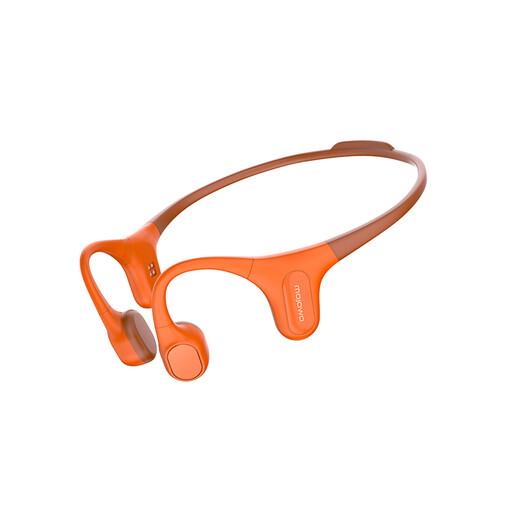
Why it suits this profile: According to the product name and information, this model is designed for swimming, cycling, running and gym use. The orange finish may also make it more visible outdoors.
The product information lists an IP68 rating, 32GB storage and suitability for swimming. Rinse it after exposure to salt water or pool water, and only charge it once it’s dry.
Open-ear wireless connection, 32GB of built-in MP3 storage and a stated IP68 rating.
We’ve put together a complete, up-to-date list of products that meet these strict selection criteria and the applicable European safety regulations.
That depends on local traffic conditions and how alert you are. An open-ear design lets in more ambient sound than a model that covers the ear canal, but keep the volume moderate and stay alert. Also check that the fit remains secure when you’re moving.
Lifespan depends on the battery, how often you charge it, exposure to moisture, temperature and how you use it. Don’t charge a device when it’s wet, use a suitable charger and avoid storing it for long periods in extreme heat or cold. Follow the safety instructions for lithium batteries, and stop using the device if it swells, leaks or gets excessively hot.
A TF card can be useful if you want to listen without a smartphone or mobile coverage isn’t important. Bluetooth is more convenient for streaming from a phone. Check in advance which storage capacities, file formats and card types the device supports. That way, you can avoid buying a card that isn’t recognised.
