
Vandaag of morgen in huis

Kwaliteit gegarandeerd

Welkomstaanbiedingen ontgrendelen: GRATIS bezorging | Tot 80% korting | Gratis 30 dagen JoyPlus-proefperiode
Download de app
A fresh smoothie at the office, a protein shake after a workout, or a healthy lunch on the go. A portable blender sounds like the perfect solution for a busy, healthy lifestyle. But the market is flooded with models that overpromise and underdeliver. Many devices end up as unused gadgets in a kitchen cupboard.
As a Joybuy Product Recommendation Officer, I see where things go wrong every day. Before you invest in a blender to go, it's crucial to see through the marketing hype. These are the three most common pitfalls that will cost you money and cause frustration.
Manufacturers often advertise high wattage or an impressive number of rotations per minute (RPM). In practice, this says little about the performance of a compact, rechargeable blender. An overly powerful motor in a small device often means a heavy, cumbersome body and a battery that dies after just a few blends. The purpose of a personal blender is not to pulverise ice cubes like a kitchen model, but to effortlessly mix soft fruit, powders, and liquids into a smooth drink.
A cordless blender is only convenient if its battery lasts. Models with an outdated micro-USB port or a proprietary, non-replaceable charging cable are impractical. If you lose that cable, the device becomes useless. A battery that's empty after five smoothies undermines the entire 'on-the-go' concept. You don't want to be constantly searching for a power outlet.
The last thing you want is a bag full of leaked smoothie. A poorly designed lid or seal is a common problem with cheaper models. Furthermore, ease of cleaning is crucial. An on-the-go smoothie maker composed of numerous small, hard-to-reach parts quickly becomes a source of bacteria and frustration.
To avoid a bad purchase, focus on the specifications that truly matter for daily use.
The essence of a battery-powered blender is the freedom it provides. Therefore, pay attention to the following points:
For a mini blender, balance is key.
The ease of use is determined by the design.
Based on these objective criteria, we have selected a number of products that suit different lifestyles.
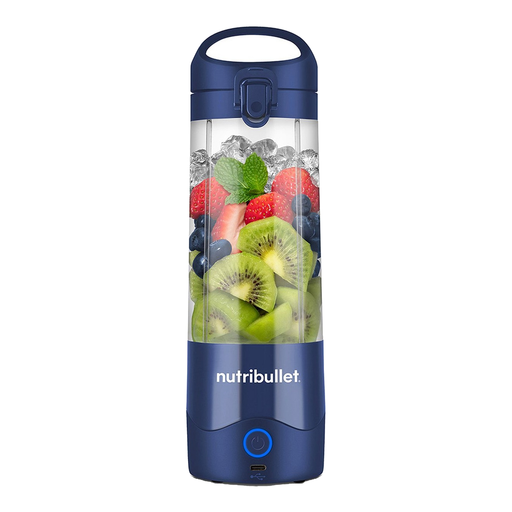
Why This Fits Their Persona: Ideal for those on the move between home, work, and the gym. Its compact size and reliable, leak-proof lid make it perfect for tossing in a backpack or gym bag for a quick, fresh shake.
Tackles the pitfalls of 'impractical charging' and 'leaks'. According to Nutribullet, the battery is good for 15+ blends and recharges in about an hour via USB-C. The well-sealed drinking lid prevents leaks.
The combination of a well-known brand, a 17,000 RPM motor, and a BPA-free Tritan cup offers a reliable and safe blending experience. Easy to clean.

Why This Fits Their Persona: For those who value aesthetics and a tidy (home) workspace. The sleek, white design fits seamlessly into a modern kitchen or office environment without being obtrusive.
Avoids the 'overpowered' trap. This model, like the blue version, is perfectly tuned for its task: making smooth drinks. It doesn't pretend to be an all-in-one powerhouse, which enhances its reliability and lifespan.
The minimalist design is combined with user-friendliness: a single button for operation and an easy-to-clean, detachable cup. The focus is on functionality without unnecessary frills.
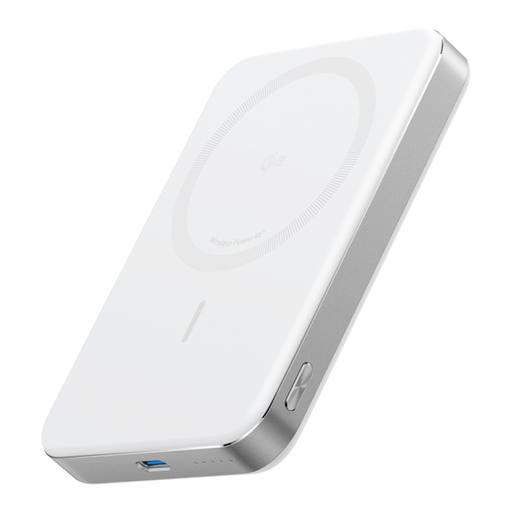
Why This Fits Their Persona: This isn't a blender, but an essential accessory. For anyone who uses their portable blender multiple times a day, goes on multi-day trips, or camps, a reliable power source is indispensable.
This completely solves the fear of 'short battery life'. A good battery-powered blender has a decent battery, but for intensive use or travel without access to an outlet, a power bank provides the assurance that you'll never be without power.
The high capacity of 10,000 mAh can fully charge a portable blender multiple times. Anker is a renowned brand in charging technology, which guarantees reliability.
We have compiled a complete, real-time list of products that fully satisfy these strict selection criteria and UK safety regulations.
Most mini blenders are designed for soft fruit, powders, and liquids. Small pieces of frozen fruit or very small ice shavings may work, but regular ice cubes can damage the motor or blades. Always check the manufacturer's specifications. For a smoother result, it is recommended to let frozen fruit thaw for a few minutes.
The easiest method is to rinse the cup immediately after use. For a more thorough cleaning, add a drop of washing-up liquid and some water, close the lid, and run the blender for a few seconds. Then rinse well. The cups of many models are dishwasher-safe, but always check the manual, especially for the motor base.
The lifespan of a lithium-ion battery depends on usage and the number of charge cycles. Generally, you can expect several hundred charge cycles before the capacity noticeably decreases. To extend the lifespan, it's best not to let the battery drain completely and not to store the device in extreme temperatures.
