
Vandaag of morgen in huis

Kwaliteit gegarandeerd

Welkomstaanbiedingen ontgrendelen: GRATIS bezorging | Tot 80% korting | Gratis 30 dagen JoyPlus-proefperiode
Download de app
A portable blender can be handy for the office, the gym, when travelling, or in a student room. However, not all compact appliances are suitable for the same ingredients or usage scenarios. A low price means little if the battery runs out quickly, the cup leaks, or cleaning takes ages every time.
With this buying guide, you can compare a mini blender, blender to go and cordless blender on verifiable specifications. That way, you avoid paying mostly for marketing jargon.
Brands often quote the number of revolutions per minute. That is a relevant technical value, but it doesn't give the full picture of performance. The shape of the blades, the amount of liquid, and the maximum blending time also play a role.
A rechargeable blender with a small motor is primarily intended for soft ingredients, liquids, and smaller portions. If you often want to process frozen fruit or ice, you need to check whether this is permitted according to the product specification. Don't automatically use a portable model as an ice crusher unless this is clearly stated.
A well-sealing drinking lid is important when the cup goes in a work bag or rucksack. Also check whether the lid is fitted after blending and whether the cup needs to stay upright.
Also pay attention to the difference between a blending cup and a separate drinking cup. With some models, you blend in the same cup; other appliances come with a separate travel cup. This affects the weight, cleaning, and the risk of spills.
A cordless blender is practical, but the battery needs regular charging. So look at:
A stated battery life is a product specification and can vary in practice depending on ingredients, blending time, and frequency of use.
For one smoothie or shake, a capacity of around 400 to 600 ml is often sufficient. A 475 ml cup is compact for a bag, while 590 or 600 ml offers more room for a larger portion. Never fill above the maximum mark and add enough liquid for a smoothie.
A larger capacity doesn't automatically make a blender more convenient. The appliance then often becomes taller and heavier, which is less practical for travel or cycling.
With a compact blender, you'll come across various values. A portable model often works with a built-in battery and a lower stated power than a countertop blender. A model with 150 W, for example, is intended differently from an appliance with 400 W that plugs directly into the mains.
For smoothies with soft fruit, a compact smoothie blender is often sufficient. For frozen ingredients, nuts, or ice, you need to check whether the model explicitly supports this. The Nutribullet Flex, for example, states in the product description that it supports ice and frozen ingredients. Always follow the manufacturer's instructions.
Check whether parts that come into contact with food are described as BPA-free and whether the cup is made from Tritan, plastic, or glass. A Tritan cup is generally lightweight, while glass is heavier but less likely to retain odours.
Look out for these practical points:
A visible CE marking indicates that the manufacturer declares compliance with relevant European requirements. It is not a guarantee of a particular blending quality. For the products mentioned in this guide, a statutory warranty of at least two years applies according to the product information; always check the current terms on the product page.
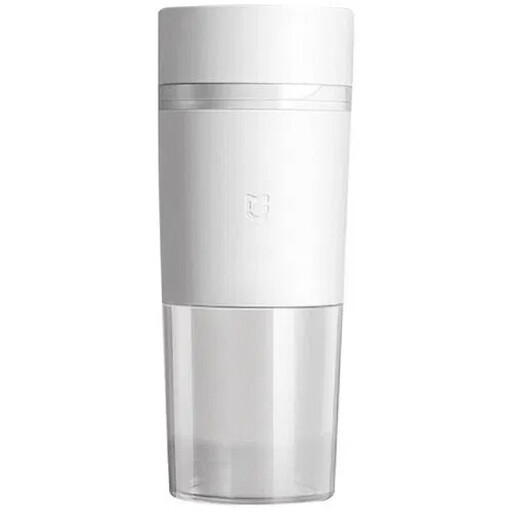
Why this fits the profile: The 400 ml capacity is suitable for a personal smoothie or shake. With its rechargeable battery and USB-C connection, this model is practical for home, school, or the office.
The capacity and USB-C charging port are clearly stated. However, check the current battery life before purchase, as this is not included in the product information.
400 ml capacity, rechargeable design, and USB Type-C. The motor base must not be submerged in water.
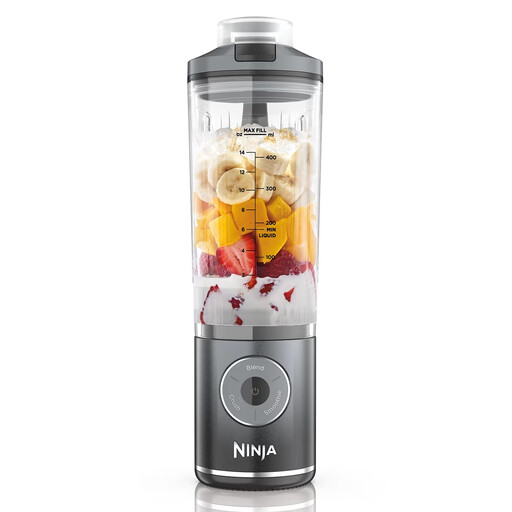
Why this fits the profile: This model comes with two Tritan cups of 530 ml. That's handy if you regularly use a blender for smoothies and shakes and want to keep or take an extra cup with you.
The leak-proof lids, one-touch operation, and dishwasher-safe parts are clearly stated. For intensive use, check the recommended cycle time in the manual.
150 W motor, two 530 ml cups, rechargeable battery, and leak-proof lids. The cups are BPA-free Tritan according to the product specification.
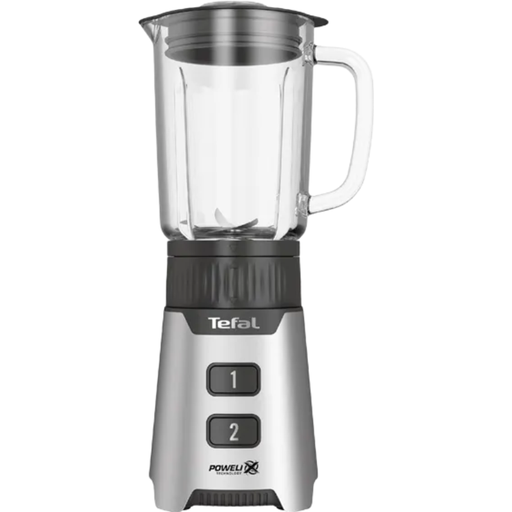
Why this fits the profile: This compact blender is especially suitable for users who want more power and usually blend in the kitchen. The included travel bottle makes it portable, but the appliance needs to be plugged into the mains.
The product specification states 400 W, two speeds, a usable capacity of 700 ml, and dishwasher-safe parts. It is not a cordless blender.
400 W power, two speeds, 700 ml usable capacity, and an included 0.81 litre Tritan travel bottle.
We've put together a full, up-to-date list of products that fully meet these strict selection criteria and comply with current European safety regulations.
That depends on the airline and the rules for lithium batteries. Don't automatically take a cordless blender in checked luggage. Check the airline's conditions before you travel and transport the appliance switched off and protected against damage.
This varies by model and use. The Nutribullet Portable states in its product specification a charging time of around one hour and more than fifteen blends per charge. The actual usage time may differ depending on the ingredients and the duration of each blending cycle. Charge the blender with the supplied cable and keep the charging port dry.
The electricity costs per blend are usually low, because a smoothie is only blended for a short time. With a cordless blender, you mainly pay for charging the battery. The total cost depends more on the purchase price, lifespan, cleaning, and any replacement parts. A model you use often and can clean easily may therefore be more practical than a cheaper appliance that stays unused in the cupboard.
