
Vandaag of morgen in huis

Kwaliteit gegarandeerd

Welkomstaanbiedingen ontgrendelen: GRATIS bezorging | Tot 80% korting | Gratis 30 dagen JoyPlus-proefperiode
Download de app
A portable blender is handy if you want to quickly make a smoothie or shake at home, at the office, at the gym or while travelling. Yet many models look alike. A small cup, a USB cable and an appealing promise don’t tell you enough about what it’s like to use one every day.
Look out for these three common pitfalls:
For a single serving, a capacity of around 400 to 600 ml is usually practical. A 475 ml model is easier to fit in a bag, while a 590 ml cup gives you more room for a larger smoothie or shake.
Don’t just look at the capacity: check the dimensions and weight too. A compact blender for taking out and about should fit in a rucksack or gym bag without taking up too much space. An integrated handle can make it easier to carry.
A rechargeable blender works without being plugged in while blending. Check:
According to the Nutribullet Portable product information, a full charge takes around one hour, and the battery supports more than 15 blending cycles according to the manufacturer. Treat this as a stated product specification: actual run time depends on the ingredients, serving size and how often you use it.
A wireless blender is best suited to cold drinks. Always check the manual before using ice, frozen fruit or hard ingredients.
Not every mini blender is suitable for the same ingredients. If you only use soft banana, yoghurt and liquid, you’ll have different requirements from someone who regularly wants to blend ice or frozen fruit.
Look out for the following:
A removable blade unit makes cleaning easier, but the blades are still sharp. The motor base and charging port must not be submerged in water. Don’t blend hot or carbonated drinks in models that aren’t designed for them: pressure build-up can damage the cup or lid.
The selection below is based on verifiable features such as capacity, power, battery use, materials, cleaning and included accessories.
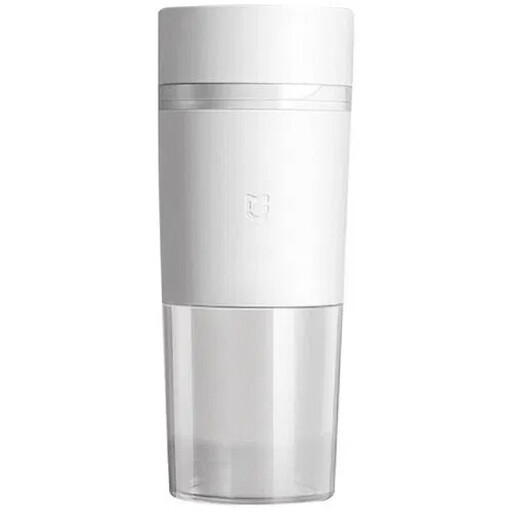
Why it suits this profile: The 400 ml capacity is ideal for a single smoothie or shake. Its compact size and USB Type-C connection make it a good fit for everyday use at home, at the office or on a short trip.
The capacity is clearly stated, and the USB-C connection means you can charge it with many commonly available cables. Don’t use it for hot drinks, and keep the motor base dry.
400 ml capacity, rechargeable battery and USB Type-C. A practical choice for small servings.
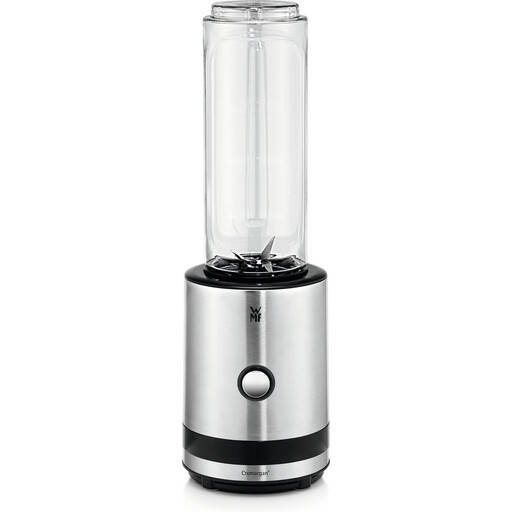
Why it suits this profile: This model is ideal if you want to prepare several servings at home and would appreciate an extra drinking cup. The set includes two 600 ml Tritan cups.
The product information lists a leakproof drinking lid, four stainless steel blades and an ice-crushing function. According to the specifications, the cups are dishwasher-safe.
300 watts, 23,000 revolutions per minute, two cups and a non-slip design.

Why it suits this profile: If you regularly blend ice, frozen fruit or larger servings, you’ll benefit from the 710 ml cup and its range of programmes. This model is less compact than a wireless mini blender and is designed to be used with a motor base.
The product description lists a 1100 watt motor, CrushBlades and programmes for smoothie, blend and crush. According to the product information, the removable parts are dishwasher-safe.
Don’t fill a personal blender right up to the rim. Add liquid first, then soft fruit or leafy greens, and only then any ice cubes, as long as the manual says this is suitable. Check that the cup is locked in place before each blending cycle.
Rinse the cup and blade unit straight after use. Leftover fruit fibres and protein-rich ingredients dry quickly. Use a brush to clean sharp blades rather than your fingers. A motor base with a charging port should only be wiped with a slightly damp cloth.
A portable blender usually has low direct energy costs because its battery only needs to be charged for a short time. Overall running costs depend mainly on the purchase price, battery life, any replacement needed outside the warranty period and the ingredients you use.
We’ve put together a complete, up-to-date list of products that meet these strict selection criteria and the applicable European safety regulations.
It depends on the model. Only choose a blender if the product information explicitly says it can. The Nutribullet Flex, Ninja BlendBoss and WMF models list support for ice or frozen ingredients. Add enough liquid and don’t exceed the maximum fill line.
Run time varies by appliance and blending cycle. Some manufacturers state how many blending cycles you can get per charge, but this is a product specification based on certain conditions. Check both the stated battery life and the charging time.
Yes, if its capacity, battery and cleaning requirements suit your routine. Rinse the parts straight after use, charge the appliance according to the manual and keep the motor base dry. For large quantities or very hard ingredients, a mains-powered model is often more practical than a compact blender for taking out and about.
