
Vandaag of morgen in huis

Kwaliteit gegarandeerd

Welkomstaanbiedingen ontgrendelen: GRATIS bezorging | Tot 80% korting | Gratis 30 dagen JoyPlus-proefperiode
Download de app
A portable blender is handy for smoothies at the office, post-workout shakes or a quick drink while travelling. However, not every mini blender is suitable for everyday use. A compact design says little about its actual capacity, battery life or ease of cleaning.
The key question, therefore, is not which blender looks the most modern, but which features suit your routine. If you only blend soft ingredients, your requirements will be different from those of someone who regularly wants to process frozen fruit or ice.
Brands sometimes advertise a high number of revolutions per minute. According to Nutribullet’s product information, the Portable Blender reaches up to 17,000 revolutions per minute. This is a verifiable product specification, but it does not automatically indicate how smooth every recipe will be. The ingredients used, the amount of liquid and the shape in which ingredients are cut also play a part.
So pay attention to the combination of power, blade design, filling capacity and usage guidance. A cordless blender is particularly practical for small portions and soft ingredients. For larger quantities or prolonged blending, a mains-powered model may be more suitable.
A 590 ml cup may seem spacious, but you must not exceed the maximum fill line. Ingredients also need room to move around. A personal blender with a capacity of 475 or 590 ml is mainly intended for one portion. If you make several smoothies in a row, you will need to allow time for refilling and cleaning.
Check whether the blade unit is removable and which parts are dishwasher-safe. With a rechargeable blender, the motor base must not be immersed in water. A USB-C port must be dry before you start charging again.
Also consider less obvious maintenance. Bits of fruit, oats or nut butter can remain around the blades. Rinse the cup and blade unit immediately after use instead of waiting for the ingredients to dry.
For one smoothie, 400 to 600 ml is usually practical. A compact blender fits more easily in a kitchen cupboard, gym bag or desk drawer. Do check the overall height, though. According to the product details, the Nutribullet Flex is approximately 31 cm high and 8 cm wide. That makes it narrow, but not every bottle holder or bag will be tall enough.
A collapsible design can save space, but it must be fully extended before use. A cup with a drinking lid is useful if you want to drink straight from the blender. Always check whether the product description says the lid is leakproof, and keep the cup upright while carrying it.
A cordless blender only works when the battery has enough charge. The Nutribullet Portable Blender states a charging time of approximately one hour and more than 15 blending cycles per charge, according to Nutribullet’s own product information. Treat this as a product specification under the brand’s stated conditions; actual battery life may vary depending on the recipe and load.
A USB-C blender is handy at the office, in the car with a suitable adapter or while travelling. Check whether a charging cable is included and use a suitable USB power adapter. A rechargeable blender is not designed to remain connected to a cable while blending unless the instructions expressly allow this.
A portable blender with a drinking cup is designed for smoothies, shakes and small drinks. A hand blender is more versatile for soup, sauce and purée, as you can work directly in a bowl or saucepan. A model with accessories may also chop or whisk, but it will take up more space.
Hot liquids require extra care. According to their safety information, the portable models in this selection are not intended for hot or carbonated drinks. Allow hot preparations to cool first and always check the instructions.
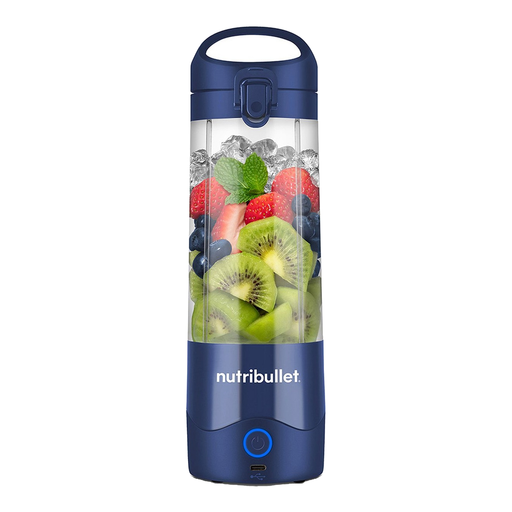
Why it suits this profile: The 475 ml capacity is suitable for one smoothie or shake. The integrated handle and drinking lid make this model practical for the office, gym and short trips.
The capacity and charging time are clearly stated: approximately one hour of charging for more than 15 blending cycles according to Nutribullet. The removable parts can be rinsed clean.
USB-C charging, 17,000 revolutions per minute according to the product information, and a leakproof drinking lid.
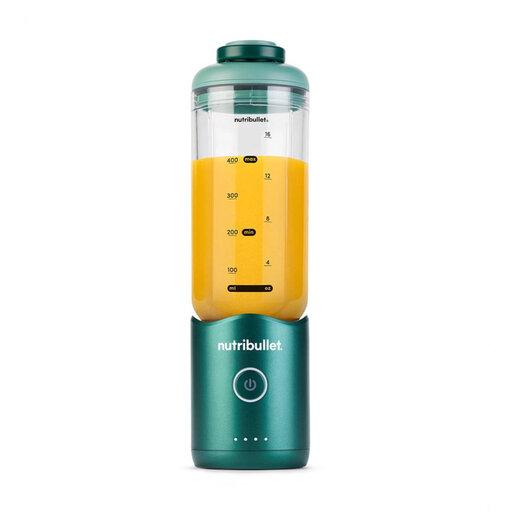
Why it suits this profile: If you want a little more capacity for a larger smoothie, you get a 590 ml cup and a collapsible design. The LED indicator displays the charge level in three stages.
The removable blade unit makes cleaning more straightforward. The manufacturer states that the model can process ice and frozen ingredients; use the recommended quantities and enough liquid.
590 ml capacity, USB-C charging, 7.4 volts and a three-stage LED indicator according to the product specifications.
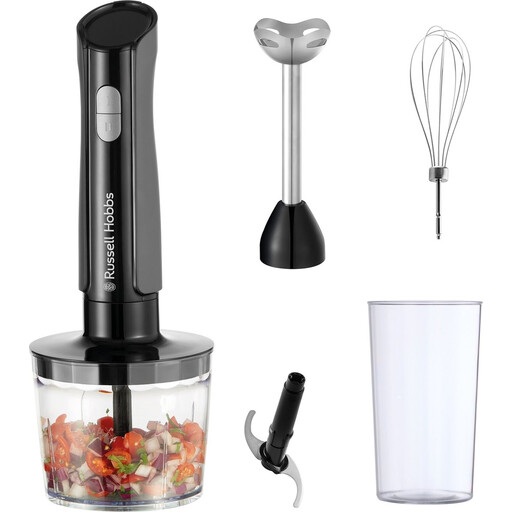
Why it suits this profile: This is not a cordless blender, but a versatile hand blender for use at home. The set is designed for blending, chopping and whisking soups, sauces, batters and smoothies.
You are not just paying for a cup: the set includes a chopping bowl, whisk and mixing beaker. The parts are removable and, according to the product information, dishwasher-safe.
500 watts of power, two speeds, a 500 ml chopping bowl and a 600 ml mixing beaker.
We have put together a complete, up-to-date list of products that fully meet these strict selection criteria and the applicable European safety regulations.
A statutory minimum two-year guarantee applies to many of the products mentioned, according to the product information provided. When buying, check the current terms, exclusions and the manufacturer’s instructions.
That depends on the specific model and its instructions. For the Nutribullet Flex, the manufacturer states that it can process ice and frozen ingredients. Add enough liquid, use small portions and do not force the motor. A small rechargeable blender is not automatically suitable for large ice cubes.
Battery life varies depending on the model, recipe and age of the battery. Nutribullet states that the Portable Blender provides more than 15 blending cycles after approximately one hour of charging. This is the brand’s stated figure, not a guarantee for every usage scenario. Charge the blender in good time if you want to use it while travelling.
A portable blender uses a built-in battery and does not need to be plugged in while blending. Charging costs are generally limited, but overall value also depends on battery life, ease of cleaning and replaceability. For everyday cooking with soups and sauces, a mains-powered hand blender may be more practical; for a single smoothie on the go, a portable blender offers greater freedom of movement.
