
Vandaag of morgen in huis

Kwaliteit gegarandeerd

Welkomstaanbiedingen ontgrendelen: GRATIS bezorging | Tot 80% korting | Gratis 30 dagen JoyPlus-proefperiode
Download de app
A portable blender sounds simple: add your ingredients, press a button and you’re done. In practice, compact models vary considerably in battery life, capacity, cleaning and ease of use. A cheap mini blender might look appealing, but unclear specifications or blades that are difficult to clean can quickly make it impractical.
As a Joybuy Product Recommendation Officer, I focus on details you can check. Read on to find out which pitfalls to avoid and whether a portable blender, cordless blender or blender to go is right for you.
A high speed sounds impressive, but it doesn’t tell you everything about how well a blender works. The blade design, amount of liquid and firmness of the ingredients all play a part. A rechargeable blender running at 17,000 revolutions per minute, for example, is designed for smoothies and shakes. A model with a mains cable and 300 or 400 watts, meanwhile, can handle longer blending sessions.
Also, bear in mind that watts, rpm and battery voltage measure different things, so they can’t be compared directly. Check what the manufacturer says the appliance can handle: soft vegetables and fruit, frozen ingredients, or even ice.
A drinking lid can come in handy on the train, at the gym or at work. Check whether it’s designed to keep the cup secure when carried on its side in a bag. On some models, the blending cup doubles as a drinking cup. On others, you’ll need to replace the blade assembly with a separate lid after blending.
Don’t fill the cup above the maximum mark. If you’re using a cordless blender, wait until the blades have stopped completely before opening the cup.
Fruit fibres, protein powder and porridge oats can easily get stuck around the blades. Check whether the blades are removable and whether the parts are dishwasher-safe. Never hold the motor base under a tap or submerge it in water.
A USB-C blender is only practical if you keep the charging port dry and use the cable supplied or a suitable adapter. Always read the manual for information on charging time, maximum blending time and battery use.
For a single smoothie, a capacity of around 400 to 500 ml is often enough. That’s a good size for a personal blender at the office, for students or for short journeys. If you want to make a larger shake or two smaller portions, look for a 530, 590 or 600 ml model.
Check the difference between total capacity and usable capacity. The cup shouldn’t be filled to the brim, as the ingredients need room to move around.
A cordless blender runs on a built-in battery, making it useful in places without a plug socket. Models such as the Nutribullet Portable use USB-C and are designed for several short blending sessions between charges. The product description gives an approximate charging time of one hour and more than fifteen blending cycles for this model. This is a specification from the product information and may vary depending on the ingredients and how you use it.
A mains-powered blender generally delivers more power for as long as you need it, but is less suited to use on the go. The WMF Smoothie To Go and Severin SM 3735 are examples: they’re compact, but you’ll need a plug socket.
BPA-free Tritan is used for the cups on various portable models. Also check whether the material is heat-resistant. Many personal blenders aren’t designed for hot or carbonated drinks. Pressure can build up and force the lid off.
A visible CE mark indicates that, according to the manufacturer, the product has been assessed against relevant European requirements. It doesn’t guarantee a particular blending quality. Check the statutory guarantee information too; several of the models mentioned list a minimum statutory guarantee of two years.
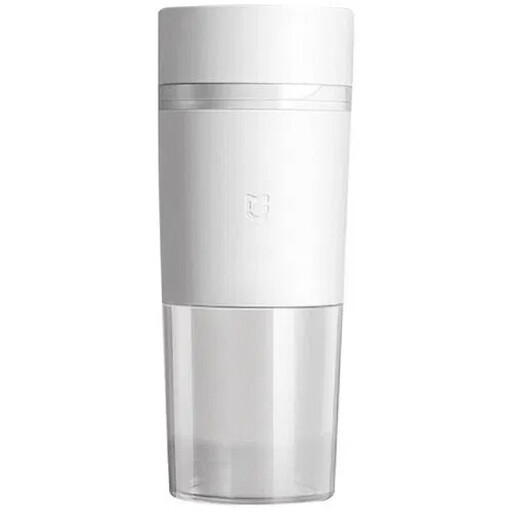
Why it suits this profile: The 400 ml capacity is ideal for a single smoothie or shake. The rechargeable battery and USB Type-C connection are handy at home, in the office or on a short trip.
The capacity and USB-C charging port are clearly stated. Do take note of the warnings: don’t submerge the motor base or blend hot liquids.
400 ml capacity, rechargeable battery and USB Type-C. Suitable for smoothies, shakes and juices, according to the product information.
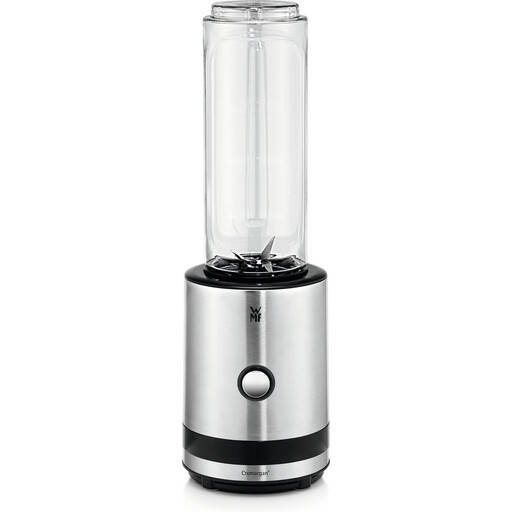
Why it suits this profile: This model is a good choice if you want to make a smoothie at home and take it with you. It comes with two 600 ml Tritan bottles and a mains-powered base.
The leakproof drinking lids, dishwasher-safe bottles and safety lock are all clearly described. Bear in mind that you’ll need a plug socket.
600 ml per bottle, four stainless steel blades, 300 watts and a speed of 23,000 rpm, according to the product specifications.
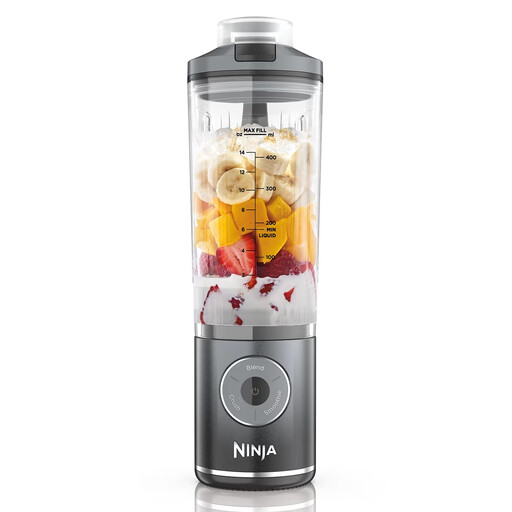
Why it suits this profile: Sportspeople and active users get a cordless model with two 530 ml cups. One-button controls and USB charging make it handy after work or a workout.
The two cups, leakproof lids and dishwasher-safe parts help make it easier to prepare drinks throughout the day.
150-watt motor, two 530 ml BPA-free Tritan cups, rechargeable battery and USB cable.

Why it suits this profile: The compact cup holds around 475 ml, and the integrated handle and cordless design make it a good fit for commuting, the gym and travel.
The product information lists USB-C charging, a secure drinking lid and removable parts. The motor base needs to be cleaned separately.
17,000 rpm, 0.48-litre capacity, USB-C charging and a stated battery life of more than fifteen blending cycles per charge.
We’ve put together a complete, up-to-date list of products that meet these strict selection criteria and the applicable European safety requirements.
Usually not. Many compact models are designed for cold smoothies, shakes and juices. Hot or carbonated liquids can cause pressure to build up. Always check the manual before using warm ingredients.
It varies by model and how you use it. A battery indicator, stated charging time and number of blending cycles can give you a useful guide. Frozen or hard ingredients may use more power than soft fruit blended with liquid. Charge the blender with a suitable adapter and don’t leave it completely flat for long periods.
Charging usually uses very little electricity, as personal blenders have small batteries. The main costs are generally the purchase price, battery wear and any replacement cups or lids. A model that’s easy to clean is also less likely to end up unused because of the hassle of daily maintenance.
