
Vandaag of morgen in huis

Kwaliteit gegarandeerd

Welkomstaanbiedingen ontgrendelen: GRATIS bezorging | Tot 80% korting | Gratis 30 dagen JoyPlus-proefperiode
Download de app
A portable blender might seem like a simple purchase, but there are big differences between models. If you want to make a smoothie at the office, at the gym or while travelling, size and colour aren’t the only things to consider. Battery life, capacity, cleaning and leak resistance all affect how convenient a blender is for everyday use.
A higher wattage or more revolutions per minute might sound impressive, but these figures don’t tell you everything. A cordless blender runs on a battery and is designed differently from a mains-powered model. So, check which ingredients the appliance is designed for and how long it can blend for each use.
A 150-watt smoothie blender may be suitable for fruit, yoghurt and liquids, while a 900-watt model may be better suited to harder ingredients. According to some manufacturers’ product descriptions, certain models can also handle ice or frozen ingredients. Always check the manual and don’t fill the cup above the marked maximum line.
A 590 ml cup won’t necessarily hold 590 ml of ingredients. You need to leave room for blending and to close the lid securely. A mini blender with a capacity of around 400 to 475 ml fits easily into a bag, but is best suited to one smaller serving.
Cups with a capacity of 530 to 600 ml are more practical for larger portions. Also check what’s included: one cup, two cups or a separate drinking lid can all make a difference to convenience.
Banana, protein powder or porridge residues can quickly dry around the blade unit and sealing ring. A portable blender that’s awkward to take apart can soon become less appealing for everyday use.
Check whether the cup and blade unit are removable, and whether the parts are dishwasher-safe. The motor base and charging port must not go in water. If you have a rechargeable blender, the port must also be dry before you start charging it.
For one smoothie or shake, 400 to 475 ml is often enough. A capacity of 530 to 600 ml is more convenient for a larger drink or if you don’t want to blend another portion straight away. Check the height as well as the capacity. A blender measuring around 29 to 31 cm won’t fit in every kitchen cupboard or bag side pocket.
A model with an integrated handle is handy for commuting. A foldable design can save space, but must be fully extended before use.
A USB-C blender or cordless blender gives you flexibility at the office, in the car or while travelling. Check the stated charging time and the number of blends per charge. The Nutribullet Portable, for example, states a charging time of around one hour and more than 15 blends per charge. This is a manufacturer’s specification; actual battery life depends on the ingredients, temperature and frequency of use.
A mains-powered model, such as a classic smoothie maker, doesn’t need charging and may have a more powerful motor. However, you’ll need a plug socket.
If the product specifications explicitly state that it’s made from BPA-free Tritan, this is a good choice. Also look for:
Don’t blend hot or fizzy liquids in models where this is not recommended. Pressure can build up and force the lid off. The blades are sharp: unplug the appliance or disconnect the charging cable, and take care when assembling and cleaning it.
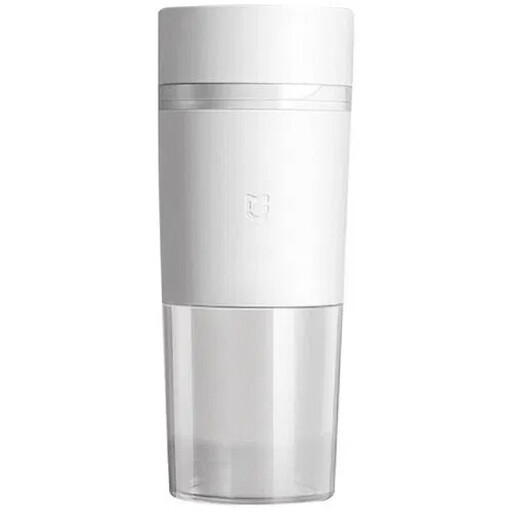
Why it suits this profile: Its 400 ml capacity is ideal for a single drink, while its compact size suits students, commuters and anyone short on kitchen space.
The product details clearly state its 400 ml capacity and USB Type-C charging port, so you can check that its size and power supply suit your needs before buying.
Rechargeable, compact and equipped with USB-C. The manufacturer warns against using hot liquids and immersing the motor base, among other things.
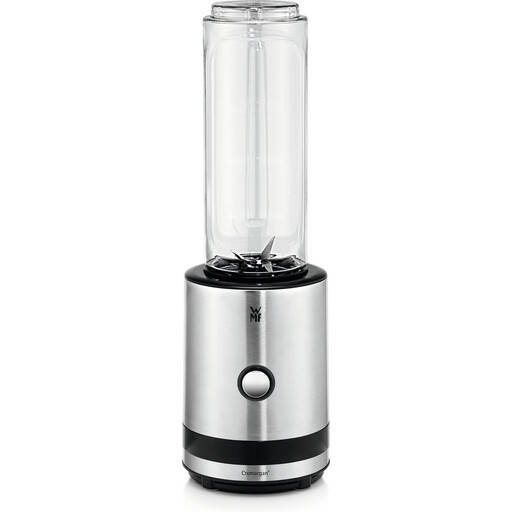
Why it suits this profile: This model is ideal if you want a blender with a drinking cup and several portable cups for a regular daily routine.
The set includes two 600 ml Tritan cups, a leakproof drinking lid and a safety feature that only allows blending when the cup is correctly in place.
300 watts, four stainless steel blades and parts that, according to the product details, are dishwasher-safe.
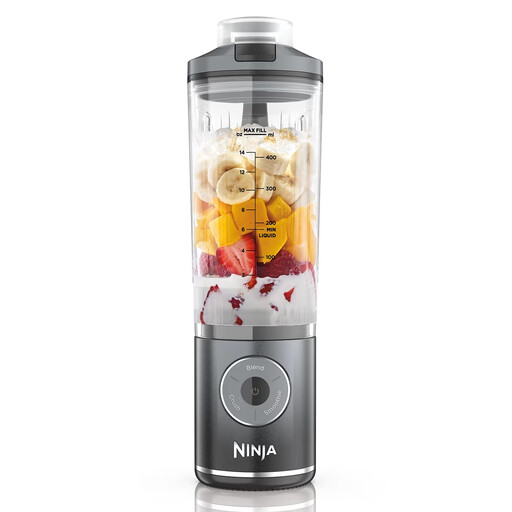
Why it suits this profile: This model is a good fit for sporty, active users looking for a cordless blender with two cups and simple controls.
The two 530 ml cups and leakproof lid make it easier to plan portions and take a drink with you, without needing a separate blending cup.
150 watts, USB charging, one-button operation and dishwasher-safe parts, according to the product description.
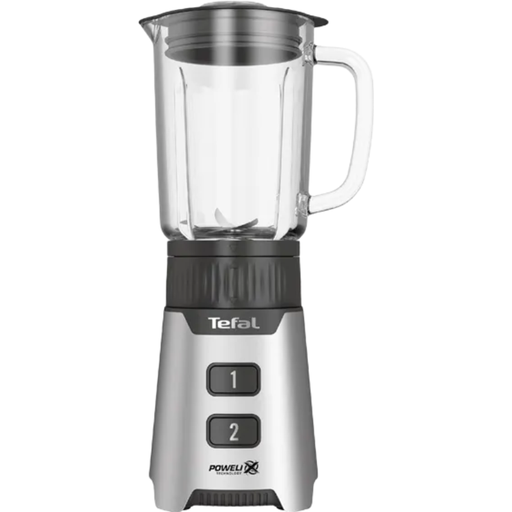
Why it suits this profile: With two speeds, a 400-watt motor and a travel bottle included, this model works well for home use and the occasional drink on the go.
You’re not completely reliant on a built-in battery: this model runs from a mains cable and has removable parts for cleaning.
Two speeds, 400 watts, a usable capacity of 700 ml and dishwasher-safe parts, according to the product information.
We’ve put together a complete, up-to-date list of products that meet these strict selection criteria and current European safety regulations.
It depends on the model. Some product descriptions mention an ice function or blending frozen ingredients. Always use enough liquid, small portions and follow the manufacturer’s instructions. A portable blender isn’t automatically suitable for large ice cubes or prolonged heavy use.
Battery life varies by model and how you use it. For example, a manufacturer may state that it can blend more than 15 times after around one hour of charging. This is a guide provided by the manufacturer. Cold ingredients, thick shakes and repeated use can all affect actual battery life. Charge the blender using the cable supplied and keep the charging port dry.
Rinse the cup and blade unit with water immediately after use. If permitted, use a little washing-up liquid or put the removable parts in the dishwasher. Clean the motor base with a slightly damp cloth and never immerse it in water. Before charging again, check that the USB-C port is completely dry.
