
Vandaag of morgen in huis

Kwaliteit gegarandeerd

Welkomstaanbiedingen ontgrendelen: GRATIS bezorging | Tot 80% korting | Gratis 30 dagen JoyPlus-proefperiode
Download de app
A fresh smoothie or shake, wherever you are. That's the promise of a portable blender. Perfect for the train, the office, or after a workout. But the market is flooded with models that promise more than they can deliver. Many people buy a device that ends up unused in a cupboard after just a few weeks.
As a Joybuy Product Recommendation Officer, I see where things go wrong every day. Before you make a choice, it's wise to know the most common pitfalls that could cost you money.
battery-powered blender that dies after one smoothie or takes hours to charge defeats its purpose. Models with an outdated or proprietary charging cable are especially inconvenient if you lose it.portable blender that leaks in your bag is a nightmare. Additionally, many models are designed with narrow openings and fixed blades, making cleaning a tedious chore and compromising hygiene.To avoid buyer's remorse, you can focus on a few key specifications. These determine whether a mini blender is truly practical for daily use.
For a rechargeable blender, wattage isn't the only thing that matters. The combination of the motor (often expressed in voltage or rotations per minute) and the blade design determines its power.
The freedom of a blender for on the go depends entirely on its battery.
The cup is what you drink from and carry with you. Functionality and safety are key here.
Not everyone has the same needs. Below are some recommendations tailored to specific user profiles.
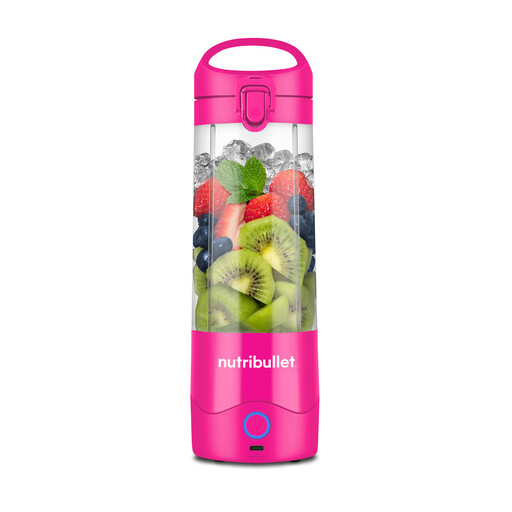
Why This Fits Their Persona: This model is lightweight, compact, and designed for mobility. The securely-sealing drinking lid makes it safe to transport the blender in a bag, perfect for those on their way to work or school.
Tackles the battery and leakage pitfalls. According to the manufacturer, the battery charges in one hour for 15+ blends via USB-C. The focus on a leak-proof lid prevents messes in your bag.
Lightweight (approx. 717 g) and compact size with a handle. The detachable parts are easy to rinse clean.
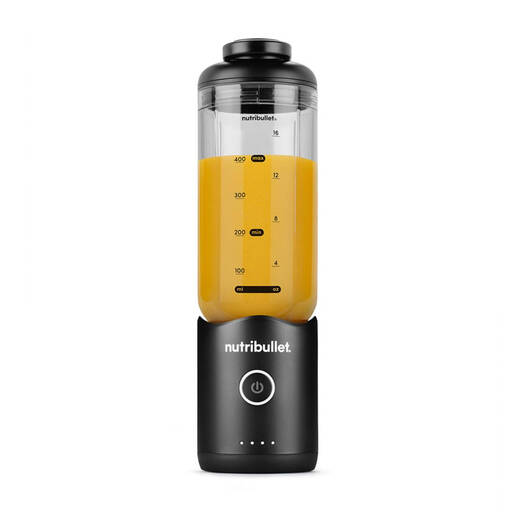
Why This Fits Their Persona: For those who want a bit more: a larger portion (590 ml) and the ability to handle tougher ingredients. The collapsible design is a smart bonus for anyone who wants to store the blender compactly.
Counters the 'weak motor' pitfall. According to the manufacturer, this model can handle ice and frozen ingredients. The detachable blade base makes cleaning less frustrating.
Large 590 ml capacity and a unique collapsible design. The LED battery indicator is a practical detail.
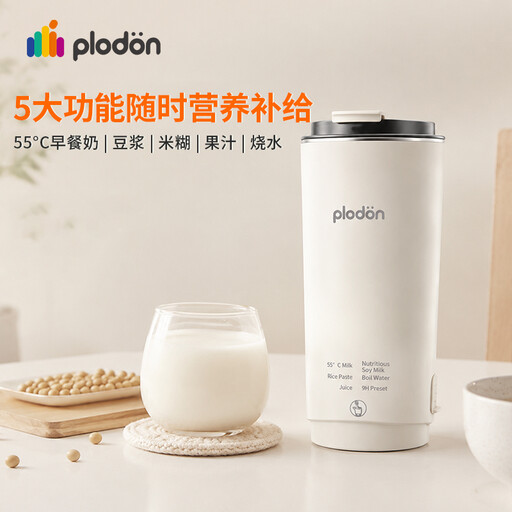
Why This Fits Their Persona: This is more than a `portable smoothie maker`. It's a portable cup that can also heat its contents. Perfect for anyone who wants to make fresh soy milk, rice porridge, or a hot beverage at the office or while travelling.
Bypasses the standard pitfalls by offering a unique function. Furthermore, the automatic cleaning feature directly addresses the cleaning problem, which is a major advantage for drinks that tend to stick.
Combines blending with a heating function. Features a timer and an automatic cleaning cycle.
We have compiled a complete, up-to-date list of products that fully meet these strict selection criteria and Dutch safety regulations.
That heavily depends on the model. Basic models are often not powerful enough for this and can overheat. Always check the product specifications. Manufacturers of more powerful models, like the Nutribullet Flex, explicitly state that the device is suitable for harder ingredients. A good rule of thumb is to always add some liquid to help the motor.
The battery life varies by brand and model. Most manufacturers provide an estimate in the number of blends per charge, which is usually between 10 and 20. The actual duration depends on what you're blending; hard ingredients consume more energy. Also, pay attention to the charging time and connection type. A USB-C port is the most practical.
The quickest method is to rinse the cup immediately after use. For a more thorough cleaning, fill the cup with a little warm water and a drop of dish soap, blend for a few seconds, and then rinse it well. Check if the detachable parts (cup, lid) are dishwasher-safe. Never submerge the motor base, which contains the electronics and battery, in water.
