
Vandaag of morgen in huis

Kwaliteit gegarandeerd

Welkomstaanbiedingen ontgrendelen: GRATIS bezorging | Tot 80% korting | Gratis 30 dagen JoyPlus-proefperiode
Download de app
A fresh smoothie or shake, wherever you are. That's the promise of a portable blender. Ideal for your commute, at the office, or after a workout. But the market is flooded with models that look great but fail to deliver in practice. A weak motor, a battery that dies after just a few blends, or a lid that leaks in your bag—these are common frustrations.
As a Joybuy Product Recommendation Officer, I'm here to help you make the right choice. In this article, we'll pinpoint the common pitfalls to watch out for and the specifications that truly matter. This will help you find a blender to go that actually lives up to its promise.
Much of the marketing focuses on aesthetics and portability, often omitting the most critical functional details. Watch out for these three common problems.
smoothie blender for on the go that can't handle a frozen banana or a handful of nuts isn't worth your money. The result is a lumpy smoothie and a disappointing experience.wireless blender is all about convenience. Models with an outdated or proprietary charging cable are impractical. You don't want to carry yet another unique cable. Furthermore, a short battery life means your battery-powered blender will spend more time charging than blending.To avoid the pitfalls mentioned above, focus on the technical specifications that determine performance. These are the three most important points to check.
Look beyond wattage. The motor speed, expressed in rotations per minute (RPM), is a better indicator of blending power. A rechargeable blender with a speed of 15,000 RPM or higher can typically handle more than just powders and soft fruit. This is crucial for achieving a smooth texture, even with ingredients like oats or a few ice cubes.
A good mini blender should be able to make multiple smoothies on a single charge. Manufacturers often specify this as the "number of blends per charge." A value of 15+ blends is a good benchmark. Just as important is the charging port. Always choose a model with a USB-C port. This is the current standard for almost all modern devices, allowing you to use the same cable as your phone or laptop.
The cup should be durable, safe, and practical. Cups made from Tritan are a popular choice. This material is BPA-free, lightweight, shatter-resistant, and doesn't absorb odours or flavours. Also, check that the drinking lid has a reliable, leak-proof seal. A simple design without unnecessary parts makes cleaning much easier.
Not everyone uses a portable blender the same way. Below are a few models suited to different lifestyles, based on their specifications.
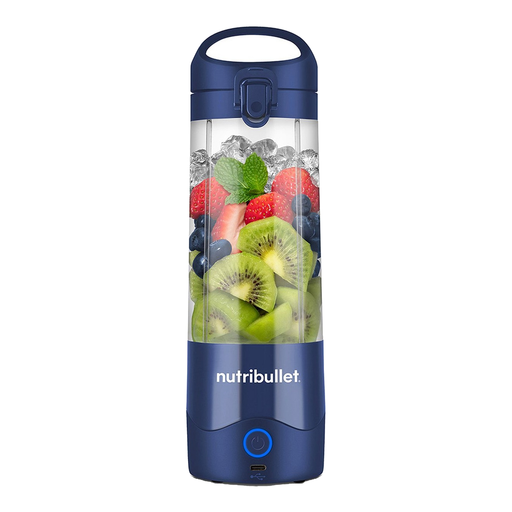
Why This Fits Their Persona: This model is compact and designed for life on the go. The secure drinking lid means you can toss it in your bag without worry. Ideal for a quick, healthy start to the day on the train or in the car.
It tackles the pitfalls of leakage and inconvenient charging. The manufacturer highlights the leak-proof lid, and the device charges via a modern USB-C port.
According to Nutribullet, the battery is good for over 15 blends and fully charges in about an hour. This offers reliability for a long day ahead.

Why This Fits Their Persona: Perfect for a protein shake right after a workout. The motor is powerful enough to mix powders without clumps, and its size fits easily into a gym bag.
It bypasses the weak motor pitfall. With a specified speed of 17,000 RPM, this model delivers the power needed for a smooth result, even with thicker shakes.
The combination of power and a compact size makes it ideal for athletes. The cup is made from durable and BPA-free Tritan.
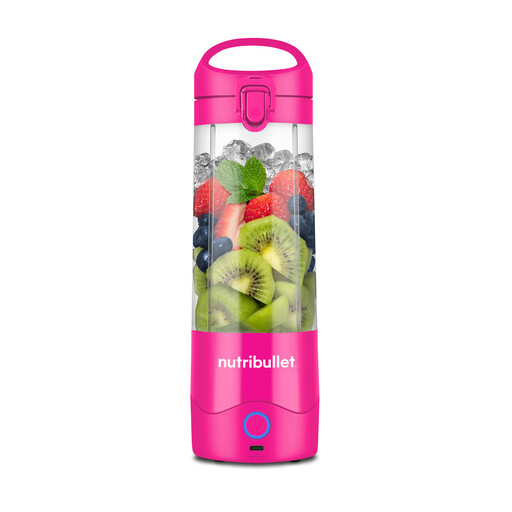
Why This Fits Their Persona: A compact `mini blender` that takes up minimal space in a dorm room. It's simple to use and quick to clean, which is convenient in a shared kitchen.
It prevents the frustration of difficult cleaning. The product description indicates that the detachable parts can be easily rinsed under the tap.
Ease of use is key. No complicated settings—just fill, blend, and drink. The USB-C charger is practical for students with multiple gadgets.
We have compiled a complete, up-to-date list of products that meet these strict selection criteria and local safety regulations.
It depends on the model. Blenders with a higher RPM and a robust blade system can often handle small pieces of frozen fruit or a single ice cube. For best results, it's recommended to always add enough liquid and not to overfill the cup. Check the manufacturer's recommendations to avoid overloading the motor.
Battery life varies greatly between models. A useful indicator is the number of blends you can make on a full charge. Good models offer 15 to 20 blends. Also, pay attention to the charging time. A battery-powered blender that charges quickly via USB-C offers significantly more convenience than a model that takes hours to charge with a proprietary cable.
The quickest method is to rinse the cup immediately after use. Add a drop of washing-up liquid and some water, blend for a few seconds, and then rinse the cup and blades thoroughly. Choose a model with a simple design and detachable parts. Never submerge the motor base, which houses the electronics and battery, in water.
