
Vandaag of morgen in huis

Kwaliteit gegarandeerd

Welkomstaanbiedingen ontgrendelen: GRATIS bezorging | Tot 80% korting | Gratis 30 dagen JoyPlus-proefperiode
Download de app
Summers are getting noticeably warmer. A heatwave is no longer an exception, and a cool home is no longer a luxury, but a necessity. A portable air conditioner seems like the ideal solution: just plug it in and start cooling. However, a hasty purchase often leads to disappointment. Many units fail to deliver on their promises, resulting in unexpectedly high energy bills or sleepless nights due to noise.
As a Joybuy Product Recommendation Officer, I'll help you cut through the marketing jargon. We'll look at the specifications that truly matter, so you can choose a model that fits your home and lifestyle without wasting money.
Before you buy a portable air conditioner, it's crucial to recognise the most common pitfalls. Manufacturers often use appealing terms, but the reality can be quite different.
To make an informed choice, ignore the marketing hype and focus on three concrete specifications.
The cooling capacity, expressed in BTU (British Thermal Unit), is the most important factor. A BTU value that's too low for your room is a waste of money. As a rule of thumb, you can use the following estimate for a reasonably insulated space:
So, first, look at the dimensions of the room you want to cool before you buy an air conditioner.
The noise level is expressed in decibels (dB). Every additional 3 dB doubles the sound intensity. To give you an idea:
Pay attention to the lowest and highest listed dB levels. The lowest setting is often just the fan, while the highest is with the compressor running.
Not everyone needs a powerful portable air conditioner. Sometimes, a different solution is more practical.
Below are some products that suit specific needs, based on their objective specifications.
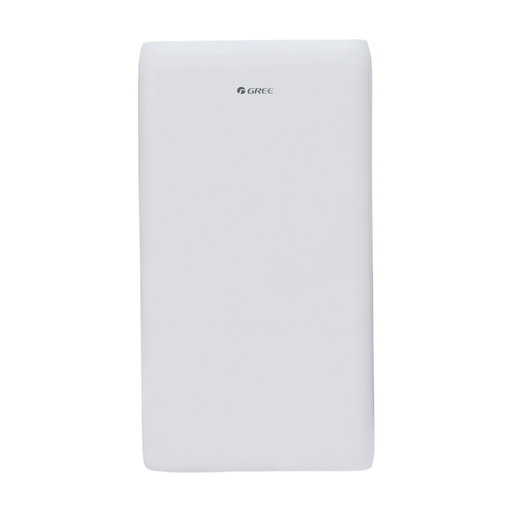
Why This Fits Their Persona: Specifically designed for quiet operation, with a noise level starting from 49 dB(A) and a special sleep mode that gradually adjusts the temperature for an undisturbed night. Ideal for the bedroom.
Counteracts the 'silent' marketing trap by specifying a concrete, low dB level and offering a dedicated sleep function that reduces compressor load.
Powerful 12,000 BTU cooling, 3-in-1 functionality (cooling, dehumidifying, ventilating), and a comfortable sleep mode.
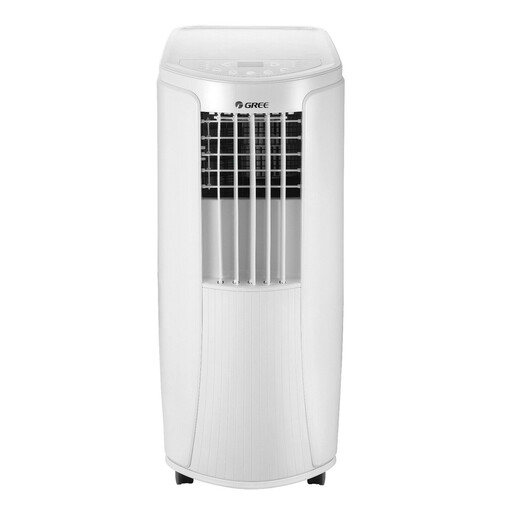
Why This Fits Their Persona: With its heat pump function, it offers year-round comfort. Ideal for heating an office in the winter and cooling the living room in the summer. A versatile investment.
Avoids the pitfall of being a seasonal appliance. This is a year-round investment, not just for a few hot weeks, which lowers the cost per day of use.
Efficient cooling (3.5 kW) and heating (3.3 kW) with an A+ energy label for heating. A complete climate solution.
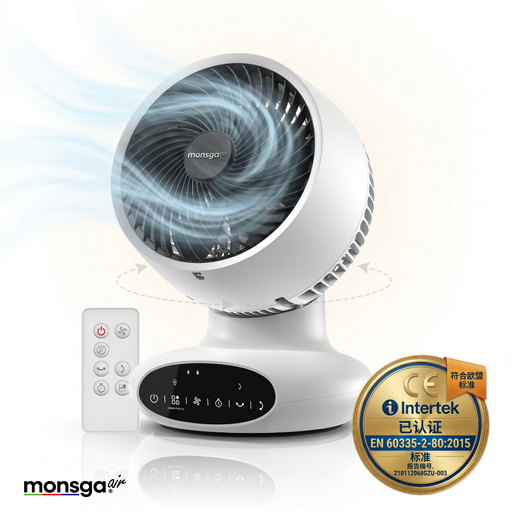
Why This Fits Their Persona: Ideal for those who don't want the intense cold of an AC but want to eliminate the stuffy, stagnant air in an apartment. The 90°+90° dual oscillation ensures air movement throughout the entire room.
Tackles the problem of 'hot spots' where a simple fan fails. It circulates air instead of just blowing it, which is more effective for an even feeling of freshness without the hassle of an AC hose.
Very quiet (from 25 dB) and energy-efficient thanks to its BLDC motor. The 3D oscillation provides superior air distribution throughout the space.
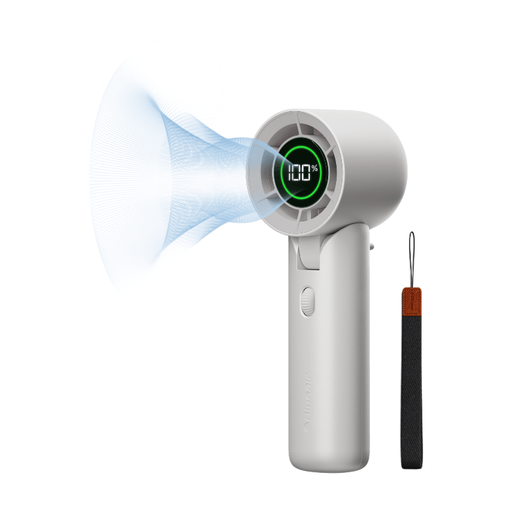
Why This Fits Their Persona: Extremely portable, lightweight, and with a battery life of up to 32 hours. Perfect for instant, personal cooling on the train, at the office, or in a lecture hall.
This is not a portable air conditioner, and it doesn't pretend to be. It's an honest, effective solution for personal cooling without the installation and energy demands of an AC.
Very quiet (from 23 dB), long battery life, and fast charging via a universal USB-C port. The airflow is steplessly adjustable from 0 to 100.
We have compiled a complete, up-to-date list of products that meet these strict selection criteria and local safety regulations.
Yes, a true portable air conditioner extracts heat from the air in the room and must expel that heat. This is done via a thick, flexible exhaust hose that must be routed outside through a window or door. There are "air conditioners without a hose," but these are actually air coolers (or evaporative coolers). They cool using water or ice and increase the humidity, which can feel even more stuffy in an already humid climate.
Consumption depends on the power rating (in Watts) and the energy label. An average portable air conditioner of 1,300 Watts (about 12,000 BTU) consumes 1.3 kWh per hour. If you run it for 4 hours a day during a month-long heatwave, it can significantly increase your energy bill. An energy-efficient air conditioner with a good label is often more economical in the long run, even if the initial purchase price is higher.
A portable air conditioner actively lowers the room temperature by removing heat. An air circulator (or an advanced portable fan) does not lower the temperature but creates a powerful airflow that circulates throughout the room. This breaks up the stagnant, warm layer of air and provides a cooling sensation through evaporation on the skin. Air circulators are significantly quieter, more energy-efficient, and do not require an exhaust hose.
