
Vandaag of morgen in huis

Kwaliteit gegarandeerd

Welkomstaanbiedingen ontgrendelen: GRATIS bezorging | Tot 80% korting | Gratis 30 dagen JoyPlus-proefperiode
Download de app
A warning light flashes on your dashboard: low tyre pressure. It always seems to happen at the most inconvenient time. Driving to the nearest petrol station isn't always an option or practical. A portable air compressor in your car, on your motorbike, or even in your pannier is the perfect solution. It allows you to inflate your tyres to the correct pressure yourself, anytime and anywhere.
But which one should you choose? The market offers a wide range of options, from a compact mini compressor to a powerful 12V compressor. In this article, we'll help you make the right choice based on specifications and ease of use—no marketing jargon. We'll highlight several popular options to suit different needs.
Before you make a decision, it's helpful to consider a few key factors. This will help you determine which type of compressor best suits your needs.
The power supply is one of the most important choices.
Not every tyre requires the same pressure. The maximum pressure is expressed in PSI or bar. A car tyre typically needs 2.0 to 3.0 bar, while a racing bike tyre can require up to 8.0 bar. Check that the compressor can deliver the pressure needed for your vehicle.
A digital tyre pressure gauge with an automatic shut-off function is an extremely useful feature. You set the desired pressure, and the compressor stops automatically once it's reached. This prevents you from over-inflating a tyre. Other handy extras include a built-in LED light for use in the dark and the ability to use the compressor as a power bank.
Below is a selection of portable air compressors with different features, so you can find a model that meets your requirements.
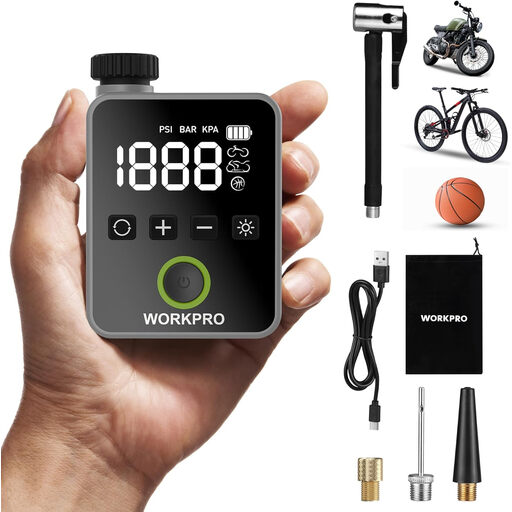
Why it stands out: This mini compressor is extremely compact and lightweight (270 grams), so it can even fit in your jacket pocket or glove compartment.
Key Features:
Who is it for? Ideal for cyclists, motorcyclists, and car owners looking for an ultra-compact, all-in-one solution for emergencies and routine maintenance.
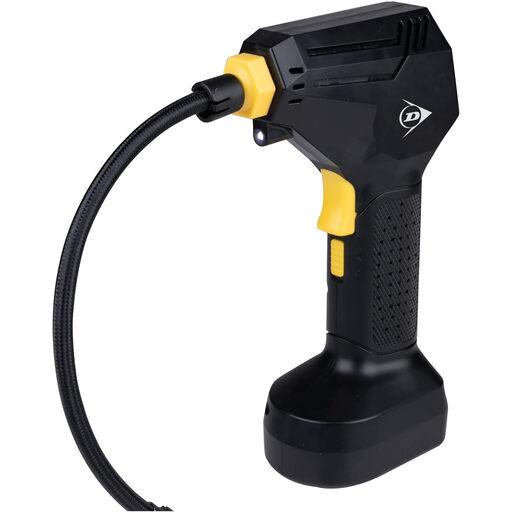
Why it stands out: A classic and reliable 12V compressor that draws power directly from the car, so you'll never be caught out by a dead battery.
Key Features:
Who is it for? The perfect car tyre inflator for drivers who want a reliable solution in the trunk that works whenever the car starts.
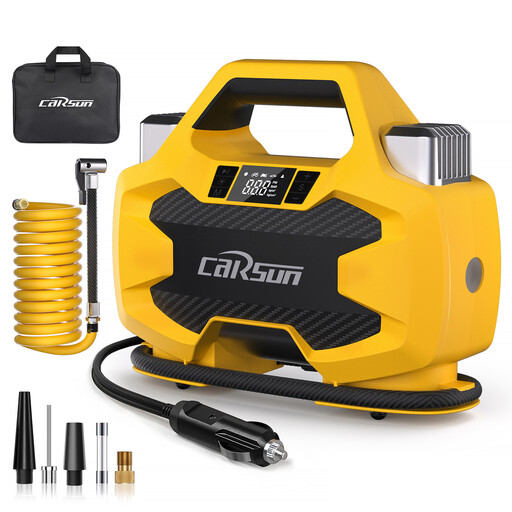
Why it stands out: Engineered for power and speed, specifically designed for rapidly inflating larger tyres.
Key Features:
Who is it for? Drivers of larger vehicles like SUVs, vans, or camper vans who need a compressor with more power to get large tyres up to pressure quickly.
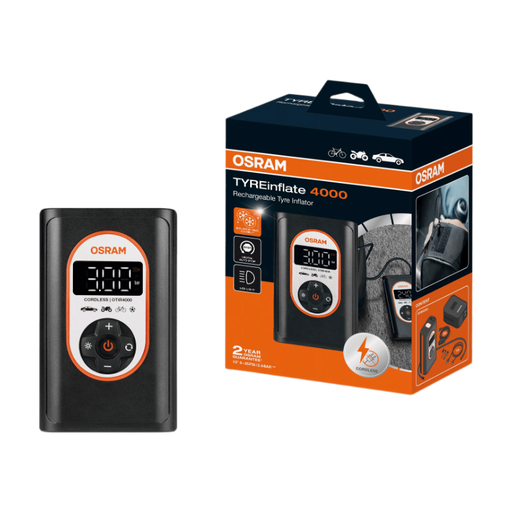
Why it stands out: This model combines the best of both worlds: a battery-powered compressor with the option for 12V power.
Key Features:
Who is it for? For the user who wants maximum flexibility and advanced features. Ideal for those who want the convenience of wireless operation with the security of a 12V connection as a backup.
This selection represents some of the popular choices on the market. Are you looking for a different model or want to compare more options? Many other variations are available that might be a better fit for your specific needs.
? Explore our full range of portable 12-volt tyre compressors
The correct tyre pressure varies depending on the car and tyre size. You can usually find the recommended pressure on a sticker in the driver's side doorjamb, inside the fuel filler flap, or in your car's owner's manual. The pressure is often specified for both normal and heavy loads.
Yes, most modern wireless air compressors are powerful enough to inflate a car tyre. However, inflating a completely flat tyre can significantly drain the battery. For regular pressure top-ups, they are very suitable. For larger tyres (SUV/camper van) or if you need to inflate several tyres in a row, a 12V model or a cordless model with a large battery capacity may be a better choice.
Yes, most compressors are designed to be stored in a car. However, it is wise not to leave models with a lithium-ion battery in extreme heat (direct sun in summer) or freezing cold for extended periods, as this can affect the battery's lifespan. It's best to store it in the trunk or glove compartment.
