
Local simulation user
You want to run or modify models locally during the workshop. So, first check the required software, licence and system requirements. MathWorks and FlexSim publish requirements that can vary by programme and version.


For a weekend workshop, choose a laptop based on the exact software and version, and how you’ll use it: locally, in a browser or through a learning platform. You’ll need a Windows laptop if the required software needs Windows; a MacBook or Chromebook is only suitable if the programmes and licences support that option. Then weigh screen space and computing power against portability and what you’ll need for charging.
You want to run or modify models locally during the workshop. So, first check the required software, licence and system requirements. MathWorks and FlexSim publish requirements that can vary by programme and version.
You’ll work with models in a browser or through a learning platform and want to find out whether you need to install software locally. The organiser can confirm which online access and licence are available for the exercises.
You’ll take your laptop with you and move between transport, your workspace and presentations. Size, ports and charging options all matter, so compare the exact configuration, as Lenovo recommends for its IdeaPad models.
First, ask the organiser for the programme name and version, the licence and how you’ll use the models. Only then can you decide which laptop configuration is right for the workshop.
| What to consider | What to look for when buying | Who this matters to |
|---|---|---|
| Software compatibility | Check the programme, version, licence, whether it runs locally or in a browser, and whether any exercises need to be completed offline. | If I want to avoid finding that a workshop programme won’t work, I’ll check the software and how it’s used first; around 31% of consumers put compatibility at the top of their list. |
| Computing power and storage | Compare the processor, memory and SSD with the requirements of the exact software. For Windows, MathWorks lists 8 GB RAM as the minimum for MATLAB 2026a, recommends 16 GB and strongly recommends an SSD. | If I want to run models locally, I’ll look for enough memory, a suitable processor and sufficient storage; around 25% of consumers make computing power their top priority. |
| Portability and charging | Compare the weight, size and charging port, and check whether a suitable adapter is included. Don’t assume the stated battery life reflects how long it will last during your workshop. | If I’m taking my laptop with me for the whole weekend and using it between sessions, I’ll consider portability and charging; around 19% of consumers put these points first. |
| Screen space and ports | Check the screen size and resolution, as well as the HDMI or USB-C video functionality you’ll need for an external screen or presentation. | If I want to view models and data side by side or present them, I’ll look at the screen and the ports I need; around 13% of consumers make workspace their main consideration. |
| Total cost | Check whether the adapter is included and whether you’ll need extra ports or a software licence. Don’t assume you’ll have an educational licence unless this has been confirmed. | If I don’t want to spend more than the workshop requires, I’ll also check accessories and software access; around 12% of consumers put total cost at the top of their list. |
A general label doesn’t tell you whether the software for this workshop will run on the laptop.
Ask for the programme name and version, then check them against the configuration requirements before you buy.
Online access and software installed locally are different ways of working; available features and licences may vary.
Get confirmation of how the exercises will be done and test your access before the weekend. AnyLogic describes both working online in a browser and working locally in the desktop environment.
Memory, storage, ports and included accessories can vary between configurations.
Compare the full model number and manufacturer code, and check what’s included with the configuration on offer.
For the HP OmniBook 5 Flip 14-fp0605ndx, HP lists a recommended USB-C adapter that’s available separately.
Before ordering, check whether a suitable adapter is included and what charging power the model needs.
A suitable adapter may need to be purchased separately for this HP configuration.
The IdeaPad Slim 5 offers a Windows option in a range of screen sizes and configurations. Always compare the full model number.
The OmniBook 5 Flip is a Windows 2-in-1 option if you want to fold the screen back or use your laptop flexibly during a presentation.
A MacBook Air is a macOS option if all the workshop software and licences work on the Mac you choose.
The Vivobook 16 OLED M1605 is a Windows option if built-in screen space and ports matter; a Chromebook requires a separate check for course compatibility.
The Aspire 17 is a Windows option to consider if a large built-in screen matters more than easy portability.
This product selection focuses mainly on Windows laptops for local modelling, with a MacBook included for software that runs on macOS. Before you buy, check that the required programmes, versions and licences are compatible with your chosen laptop.
 Image unavailable
This Windows laptop may suit local modelling if the workshop software is compatible with the configuration.
Listed: Windows 11 Home, Intel Core 7 240H, 16 GB DDR5 memory and a 1 TB SSD.
The 16-inch WUXGA screen has a resolution of 1920 × 1200 and a 16:10 aspect ratio. The stated weight is approximately 1,95 kg.
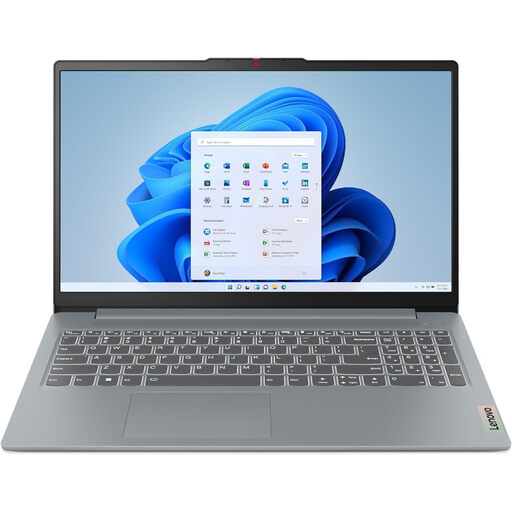 Image unavailable
This Windows configuration may suit local work if the workshop software is compatible; also check which adapter you’ll need.
Listed: Ryzen 5 8640HS, 16 GB DDR5 memory and a 512 GB SSD.
The 15,3-inch WUXGA screen has a resolution of 1920 × 1200 and a 16:10 aspect ratio. The stated weight is approximately 1,50 kg. According to the product description, the power adapter must be purchased separately.
 Image unavailable
This Windows configuration may suit local work if the workshop software is compatible; check which ports you’ll need for a presentation.
Listed: Intel Core i5-13420H, 16 GB DDR5 memory and a 512 GB SSD.
The 15,6-inch screen has a resolution of 1920 × 1080. USB-C supports DisplayPort. The stated weight starts at 1,61 kg.
 Image unavailable
This Windows configuration may suit local modelling if the required programmes and features are compatible.
Listed: Intel Core Ultra 7 255H, 32 GB DDR5 memory and a 512 GB SSD.
The 16-inch screen has a resolution of 1920 × 1200 and a 16:10 aspect ratio; HDMI 2.1 is listed. The stated weight is approximately 1,9 kg. According to the product description, this configuration is supplied without a power adapter.
 Image unavailable
This MacBook may be suitable if all the workshop software and licences work with the macOS configuration in question.
Listed: M5 chip, macOS, 16 GB memory and 512 GB storage.
The 15,3-inch Liquid Retina screen and two Thunderbolt 4 ports are listed. The stated weight is 1,51 kg. According to the product description, a USB-C power adapter isn’t included.
Not without checking the course instructions. AnyLogic lists Windows and macOS as tested platforms, while FlexSim specifies a 64-bit Windows operating system for versions from 2021 onwards. Ask which programmes and versions the workshop will actually use.
That depends on how you’ll be working. AnyLogic describes both working online in a browser and working locally in the desktop environment; a learning platform may also require internet access. Test the access and licence intended for the workshop in advance.
Follow the organiser’s instructions for software, files and access. Also check that the right charger is included and whether you’ll need a suitable connection or adapter for the screen or projector at the venue.
According to the Dutch government, in many cases you have 14 days to change your mind when buying online from a business. Separately, consumers have rights if a product is faulty; the Dutch government lists free repair, replacement or a refund, and states that there is no fixed statutory warranty period covering all products in the Netherlands.
According to the European Commission, the common EU charging rules will also apply to laptops from 28 April 2026. For a specific model, check the required charging power and adapter; the presence of a USB-C port alone doesn’t answer that question.