
If you’re serving individual bowls
If guests are choosing their own toppings, pre-measured portions can make serving easier. Just check what preparation method and equipment the option you choose requires.


Choose individual portions if you want to serve each guest their own warm bowl quickly, without weighing anything out. A larger bag of plain porridge oats is a better fit if you want to make one neutral base for a brunch buffet and decide how much to prepare yourself. Whichever you choose, check the preparation instructions, best-before date and allergens on the packaging: instant doesn’t automatically mean gluten-free.
If guests are choosing their own toppings, pre-measured portions can make serving easier. Just check what preparation method and equipment the option you choose requires.
With a larger bag of plain porridge oats, you can decide how much to make. You’ll need to measure out the amount yourself and store the opened pack properly afterwards.
If a guest avoids gluten or other allergens, the information on the specific pack is what matters. Check milk and toppings separately before serving, too.
For your Easter brunch, decide whether you want to make individual bowls or one shared base. Then consider how you’ll store any leftovers and whether the pack you choose meets your guests’ allergen requirements.
| What to consider | What to check when buying | Who it matters to |
|---|---|---|
| Quick portioning | Check the number of individual portions and the preparation method for the option you choose. | If you’re giving each guest their own warm bowl, you won’t want to keep weighing out portions while serving. For around 33% of consumers, easy portioning comes first. |
| Storage after brunch | Check the best-before date and whether you can seal the opened pack securely. | If I have porridge oats left over after brunch, I want to be able to store them properly. Around 27% of consumers prioritise having a supply to keep in the cupboard. |
| Gluten and other allergens | Read the current allergen information; look for an explicit gluten-free label if a guest needs one. | If I have a guest who needs to eat gluten-free, I can’t rely on the word ‘instant’. For around 13% of consumers, catering for that guest is the main concern. |
| Quantity for a group | Compare the net weight and stated number of portions with the number of bowls you want to make. | If I’m making one shared base for brunch, I want to decide how much to prepare myself. That’s the main consideration for around 27% of consumers. |
Regular oat products may contain gluten-containing cereals or carry warnings about their possible presence. How quickly they can be prepared doesn’t tell you whether they’re suitable for a guest who needs to eat gluten-free.
Choose a product with an explicit gluten-free label for that guest, and check the allergen information on the pack again just before serving.
Once opened, dry oats should be kept in a well-sealed container in the cupboard; prepared porridge needs to be refrigerated. The Netherlands Nutrition Centre gives different storage advice for each.
Store dry oats in a cool, dry, dark place. Refrigerate prepared porridge promptly and follow the storage advice that applies to the ingredients you’ve used.
A product sold only in store won’t necessarily be available when you do your Easter shopping. For example, Lidl presents Crownfield organic porridge oats as an in-store product, not as an instant portion.
Check what’s currently available shortly before you shop, and decide in advance whether plain porridge oats will also work for your preparation plans.
Quaker Oats Express Naturel is an example of individually portioned instant oats: according to Quaker Netherlands and Albert Heijn, the pack contains 12 portions of 27 g.
Jumbo offers both Havermout Porties Original and a 1 kg bag of its own-brand fine wholegrain porridge oats.
Albert Heijn offers Quaker Oats Express and lists Elovena Natural and Raspberry instant oatmeal in its gluten-free breakfast cereal category.
Lidl presents Crownfield organic porridge oats, 500 g, as plain oats to keep in the cupboard.
These products are worth considering if you’re making individual warm bowls for brunch. Note the difference between an oat product and a mixed breakfast product: the product name alone doesn’t tell you whether you’re getting a plain porridge oat base.
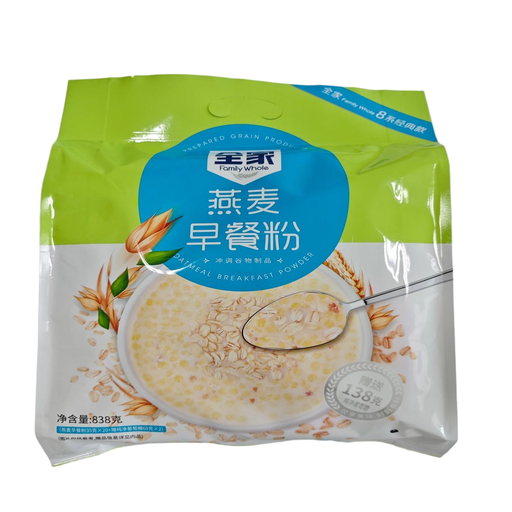 No image available
Worth considering for individual bowls if you’re looking for a mixed breakfast product rather than just porridge oats. Check the current information on allergens including wheat, soya and milk, and check the best-before date before buying.
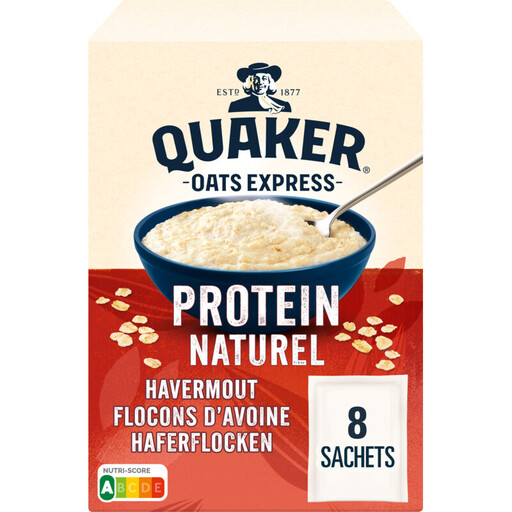 No image available
Worth considering for a warm bowl of oats. If you don’t want to measure anything out, check whether this Protein variety comes in individual portions. If you need to consider allergens, check the pack for oats, soya and possible traces of wheat and barley.
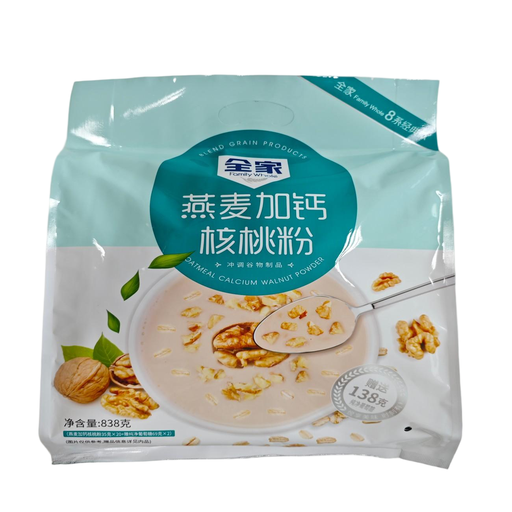 No image available
Worth considering for individual bowls if a walnut mix suits your brunch; this isn’t a plain porridge oat base. Check the current allergen information, especially for walnuts and peanuts, and check the best-before date.
Instant portions are especially handy if you want to make individual bowls without weighing anything out. A larger bag of plain or fine porridge oats is better suited to one shared base when you want to decide how much to make yourself; check the preparation instructions for both.
No. Albert Heijn lists both saucepan and microwave preparation methods for Quaker Oats Express Naturel. Follow the instructions on the pack for the variety you buy; they won’t necessarily apply to other Quaker products.
The Netherlands Nutrition Centre advises that opened porridge oats can be kept in a kitchen cupboard for up to one year, provided they’re stored in a cool, dry, dark place in a well-sealed container. Also check the packaging and the condition of the product before using it.
Not necessarily. Choose a product with an explicit gluten-free label for that guest and check the current allergen information. The regular Quaker and Jumbo products described here list oats and provide information about gluten-containing cereals.
Yes, but put prepared porridge in the fridge promptly rather than storing it in the cupboard like dry oats. For unsweetened porridge made with whole milk, the Netherlands Nutrition Centre gives a storage time of three to five days at 4 °C; for other recipes, follow the relevant storage advice.