
Vandaag of morgen in huis

Kwaliteit gegarandeerd

Welkomstaanbiedingen ontgrendelen: GRATIS bezorging | Tot 80% korting | Gratis 30 dagen JoyPlus-proefperiode
Download de app
Standing in front of the cereal aisle in a Dutch supermarket can be confusing when deciding between plain rolled oats (havermout), traditional muesli and crunchy baked clusters (cruesli or granola). While all three share wholegrain oats as their primary grain base, their nutritional makeup, preparation requirements and texture diverge significantly once processing techniques and added ingredients enter the equation.
Selecting the right morning cereal comes down to balancing your daily routine with your dietary goals. Whether you prefer a steaming bowl of stovetop porridge before leaving the flat, need a quick protein-boosted breakfast at your desk, or want a crisp yoghurt topping without unnecessary sweeteners, understanding these foundational differences ensures you start the day with the right fuel.
Shoppers often associate any oat-based cluster cereal with clean health food, overlooking the fact that traditional crunchy muesli relies on syrups, honey or vegetable oils to bind the flakes into clusters. Even products marketed as natural can carry high levels of hidden sugars. To keep your sugar intake measured, examine whether sweetness stems from natural dried fruits like sultanas or whether the recipe relies on added syrups, and consider blends that skip added refined sugars altogether.
A frequent pitfall is stocking up on whole rolled oats without factoring in morning preparation time. Plain whole oat groats and thick-rolled oats require cooking in milk or water on the hob or a few minutes in the microwave to soften and release their creamy texture. If your morning leaves no window for heating and stirring, opting for instant single-serve formats or cold-ready cluster mixes prevents rushed mornings and skipped meals.
Shoppers monitoring carbohydrate intake sometimes treat all grain portions equally, neglecting the difference between fast-digesting refined cereal blends and dense wholegrains rich in beta-glucan soluble fibre. Pure wholegrain oats provide steady energy release and higher satiety, whereas heavily processed muesli loaded with glazed fruits can prompt sharp mid-morning energy dips. Prioritising whole flake grains ensures you obtain natural fibre rather than empty volume.
Check the ingredient composition to distinguish single-ingredient grains from multi-component breakfast mixes. Plain rolled oats consist entirely of steamed and rolled oat groats, providing an unadulterated base where you control every topping. In contrast, mueslis and crunchy clusters combine oats with varying proportions of dried fruits, nuts, seeds, and sometimes flavourings, altering both texture and calorie density.
Match the product format to your preferred serving temperature and available time. Porridge oats require liquid absorption through heat or overnight soaking to break down starch, yielding a rich and soothing bowl. Crisp baked clusters, meanwhile, are crafted to remain firm and crunchy when mixed directly with cold milk, kefir or Dutch kwark.
Assess whether the cereal suits an active fitness lifestyle or standard dietary maintenance by reviewing the protein and sweetener ratios. Standard oats offer modest plant protein, but specialised morning oat sachets add soy or dairy protein isolates to support daily intake. For cluster cereals, verify if the recipe relies on zero-sugar formulations rather than artificial sweeteners or glucose syrups.
Explore these tailored breakfast options to match your morning timetable, nutritional targets and preferred texture.
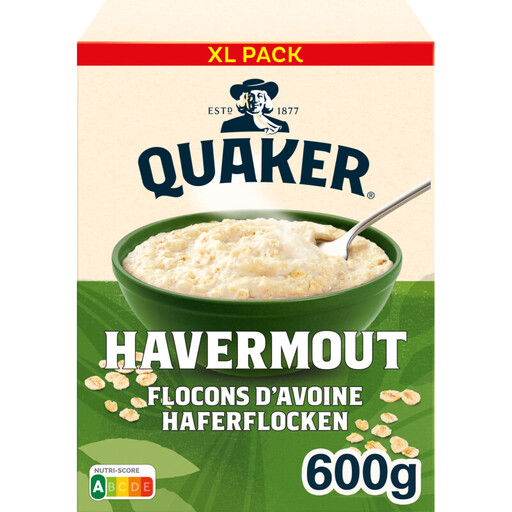
Why This Fits Their Persona: For those who cherish an unhurried morning routine, this 600 g pack delivers pure wholegrain oats designed for simmering into classic stovetop porridge. It contains 100% whole oat flakes with zero added sugar, yielding approximately 15 balanced portions that absorb water or milk smoothly.
By providing entirely unadulterated oats, it bypasses the common pitfall of hidden syrups and unnecessary oils frequently found in pre-mixed breakfast cereals.
Offers complete control over your morning bowl, serving as a versatile kitchen staple that cooks up thick and creamy while preserving natural beta-glucan fibre.
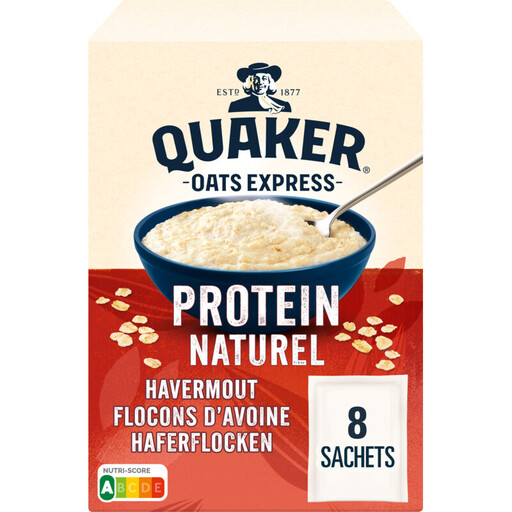
Why This Fits Their Persona: Tailored for professionals and active individuals who need quick morning nutrition before commuting or training, this express format readies in two minutes. The formulation incorporates soy protein into wholegrain oats, delivering 22 g of protein per 100 g alongside 3.1 g of beta-glucan fibre per sachet.
It resolves the dilemma of choosing between speedy morning prep and nutritionally dense fuel, removing the need to measure out separate protein powders or wait for long hob cooking.
Combines pre-measured portion convenience with genuine functional nutrition, delivering meaningful protein support in a rapid microwaveable format.
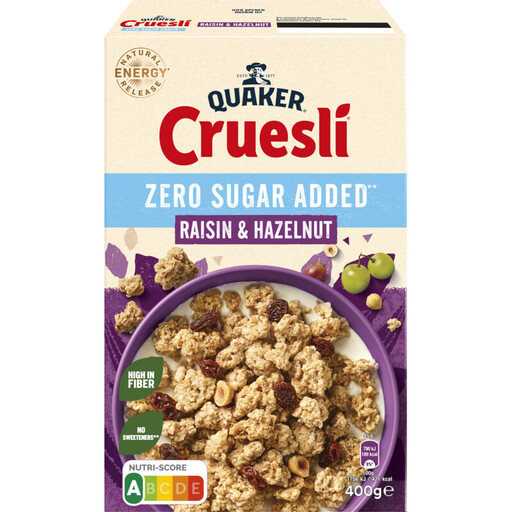
Why This Fits Their Persona: Ideal for anyone who wants an immediate cold breakfast with substantial crunch, this 400 g blend pairs baked wholegrain oat clusters with 8.5% raisins and 1.5% hazelnuts. It delivers a rich, textured topping for thick yoghurt or cold milk without requiring cooking.
Directly circumvents the high sugar content typical of traditional crunchy granolas by maintaining a formulation with zero added sugars and zero artificial sweeteners.
Delivers the satisfying, crispy mouthfeel of oven-baked clusters alongside wholesome nuts and fruit while keeping sweetening agents out of the ingredient list.
Not quite, although they share the same primary ingredient. Rolled oats (havermout) consist solely of oat groats that have been steamed and flattened into flakes. Muesli uses raw or toasted rolled oats as a foundation, blending them with ingredients like dried fruit, nuts, seeds, and sometimes other flaked grains such as barley or rye.
Standard rolled oats do not strictly have to be boiled, but raw oats contain resilient starches that can taste dry and chalky if eaten straight from the box. If you do not wish to cook them on the hob or in a microwave, soaking them overnight in milk or a plant alternative softens the flakes thoroughly into digestible overnight oats. In contrast, muesli and baked clusters are formulated to be eaten immediately cold.
Look closely at the ingredient panel and nutrition table. Plain rolled oats contain negligible natural sugars and moderate healthy fats inherent to the oat grain. In contrast, crunchy muesli clusters often incorporate added vegetable oils and syrups to achieve crispness, which raises fat and sugar levels. Checking that a mix specifies zero added sugars helps ensure any sweetness originates solely from whole dried fruits like raisins.
