Choose plain porridge oats if you want to control the portion and toppings for your Sunday breakfast. A plain single-serve sachet is a better fit if you want to prepare one measured portion quickly. If you’re after something crunchy, granola is a different type of product from porridge oats. Whichever option you choose, check the exact sugar claim and nutritional information: no added sugars does not mean sugar-free.
Who are the different options for?
For anyone who likes to make their own porridge
With plain porridge oats, you decide how much to use and what to add. Jumbo lists only wholegrain oats as an ingredient for Quaker Porridge Oats; the final make-up of your breakfast will also depend on the toppings you choose.
For anyone who wants to make one portion quickly
A single-serve sachet saves you measuring. Quaker Netherlands lists wholegrain oats as the ingredient in Oats Express Natural, but also warns that it may contain soya, barley and wheat.
For anyone who checks ingredients and allergens carefully
A sugar claim says nothing about whether a product is suitable for coeliac disease. According to the Dutch Coeliac Society, you need certified gluten-free oats; also check the allergen information for the product you choose.
What should you look for when choosing?
First decide whether you want soft porridge or a crunchy bowl. Then compare the ingredients and nutritional information. If you need a gluten-free product, check for that label before choosing.
| What to consider |
What to check |
Who it matters to |
| Ingredients and sugars |
Read the ingredients list, the exact sugar claim and the ‘of which sugars’ figure per 100 g. Factor toppings into your choice. |
I want to be able to see for myself what goes into the base of my porridge and what I add to it. Around 40% of consumers put checking ingredients and added sugars first. |
| Ease of preparation |
Check the preparation instructions and whether you’re buying single-serve sachets or loose oats. |
If I want to spend less time measuring on Sunday morning, I prefer a pre-measured portion. For around 30% of consumers, convenience is the main priority. |
| Texture and product type |
Choose between porridge oats and crunchy granola; if you’re buying a mix, compare the other ingredients too. |
I’m looking for a change with a crunchy bowl, even if it isn’t porridge. This texture is the main thing around 20% of consumers are looking for. |
| Gluten and allergens |
If you have coeliac disease, check for certified gluten-free labelling and read the allergen warnings. |
If I have coeliac disease, the oats I choose must meet gluten-free criteria; taste and speed come second. Around 10% of consumers give this check priority. |
Common mistakes
-
Reading ‘no added sugars’ as ‘sugar-free’
A product can contain sugars even if none have been added. The Diabetes Fund distinguishes between these claims.
Read the exact claim, the ingredients list and the ‘of which sugars’ figure in the nutritional information, rather than relying only on the front of the pack.
-
Assuming ordinary oats are suitable for coeliac disease
Oats can come into contact with gluten during production and supply. An ingredients list that contains only oats is therefore not enough to establish whether a product is suitable for coeliac disease.
Check that the oats are certified gluten-free, as advised by the Dutch Coeliac Society, and read the allergen information.
-
Judging the dry oats alone
What you stir into or add on top of your porridge changes the make-up of the finished breakfast. The Netherlands Nutrition Centre points out that preparation and additions count too.
Choose your base first, then check the ingredients in the milk, yoghurt and toppings you plan to use.
-
Mistaking a wheat-based breakfast for porridge oats
The Brinta Wholegrain Cereal Breakfast variety described by Jumbo contains wholemeal wheat flour and salt; it isn’t porridge oats.
If you’re specifically looking for porridge oats, check the ingredients list to see which grain is the main ingredient.
Relevant brands to compare
Quaker
The Dutch product information mentioned here includes plain porridge oats, single-serve sachets and crunchy granola from Quaker.
- Jumbo lists only wholegrain oats as an ingredient for Quaker Porridge Oats; Quaker Netherlands says the same about Oats Express Natural.
- The Cruesli Zero Sugar Added Natural described by Jumbo contains wheat flakes as well as oat flakes, so it isn’t plain porridge oats.
Albert Heijn
AH Organic Porridge Oats is an example of a supermarket product whose ingredients and nutritional information you can compare.
- Albert Heijn lists organic wholegrain oat flakes as an ingredient and provides information about added sugars per 100 g.
- Always check the information on the packaging of the specific variety you choose when you buy it.
Brinta
Brinta is useful for recognising the difference between porridge products made with wheat and those made with oats.
- For the Brinta Wholegrain Cereal Breakfast variety described, Jumbo lists wholemeal wheat flour and salt as ingredients.
- This wheat-based variety isn’t the right choice if you’re specifically looking for porridge oats.
Products for porridge and a crunchy alternative
These products include porridge oats for a bowl you can customise, a single-serve pack and crunchy granola for anyone who wants something other than porridge. Compare the variety you choose for ingredients, sugars and allergens; the crunchy products are not porridge oats.
 Image unavailable
Quaker Express porridge oats 324 g
An option if you’re looking for a single-serve pack for Sunday breakfast. The pack contains 324 g; check the preparation instructions and allergen information for this variety.
View at Joybuy
 Image unavailable
Quaker porridge oats 600 g
Loose porridge oats are a good choice if you want to control the quantity and toppings yourself. The pack contains 600 g; follow the instructions on the pack for your chosen preparation method.
View at Joybuy
 Image unavailable
Zonnatura Organic Whole Wheat Oatmeal 500 g
A loose breakfast cereal base for making up your own portion. The pack contains 500 g; given the product name, check the label to see which grains are in the variety you choose.
View at Joybuy
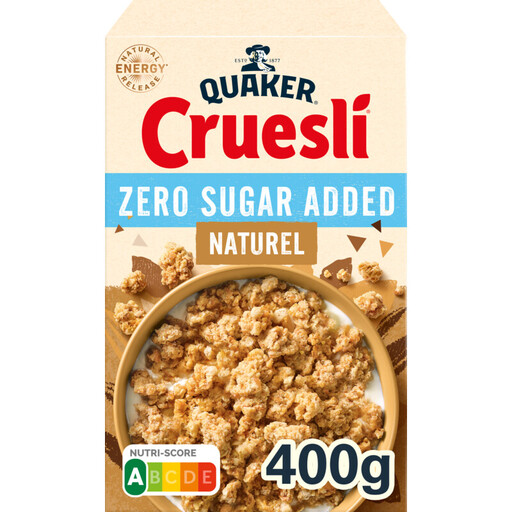 Image unavailable
Quaker Zs Cruesli Natural 400 g
This crunchy granola is a good choice if you want a different texture from porridge. The pack contains 400 g; compare the ingredients and nutritional information rather than treating the granola as plain oats.
View at Joybuy
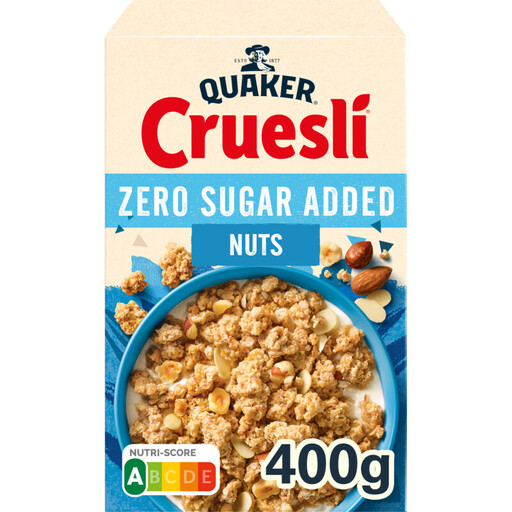 Image unavailable
Quaker Cruesli Nuts Zero Sugar 400 g
Crunchy granola for anyone who doesn’t want soft porridge. The pack contains 400 g; check the ingredients, allergens and sugar levels for this nut variety, and don’t assume from the product name that it is sugar-free.
View at Joybuy
Frequently asked questions
Does ‘no added sugars’ mean the same as ‘sugar-free’?
No, these claims don’t mean the same thing: a product with no added sugars may still contain sugars. The Diabetes Fund therefore recommends checking the ingredients and the ‘of which sugars’ figure in the nutritional information too.
Are ordinary porridge oats suitable for coeliac disease?
Not necessarily: according to the Dutch Coeliac Society, only certified gluten-free oats are suitable for a gluten-free diet. Check the label on the pack and read any allergen warnings.
How can I stay in control of what goes into my porridge?
Start with plain porridge oats and choose what to add yourself. The Netherlands Nutrition Centre stresses that preparation and toppings also affect the make-up of the finished breakfast, so don’t check only the dry oats.
Is crunchy granola the same as porridge oats?
No, they’re different types of product. Jumbo describes Quaker Cruesli Zero Sugar Added Natural as crunchy granola containing oat and wheat flakes; if you choose it instead of plain oats, compare the ingredients and nutritional information.


