
Livraison le jour même et le lendemain

Qualité garantie

Débloquez vos offres de bienvenue: Livraison GRATUITE | Jusqu'à -80 % | 30 jours d'essai gratuits à JoyPlus
Téléchargez l'application
A box of porridge oats or muesli may seem simple to choose. However, terms such as “protein”, “wholegrain”, “no added sugar” and “organic” can give an incomplete picture. The real differences are often found in the nutrition table, ingredients list and pack size.
If you want to buy porridge oats and muesli online, it is worth deciding how you plan to use them first. Are you looking for a quick breakfast for busy mornings, a high-protein muesli for after exercise or organic porridge oats for the whole family? The points below will help you avoid buying something that does not suit your eating habits.
A product may contain relatively large amounts of protein, but also provide a lot of calories, fat or salt. Always compare the nutritional values per 100 grams. Values vary considerably across the range: some products contain around 11 to 14 grams of protein per 100 grams, while certain high-protein granolas and crunchy mueslis contain more than 20 grams.
Also consider the source of the protein. It may come from soya, wheat, peas, seeds or nuts. This is important if you have allergies or intolerances, or particular dietary preferences.
The label may state that no sugar has been added, while the product still contains naturally occurring sugars. Therefore, check the line marked of which sugars. Also look out for ingredients such as date concentrate, glucose syrup or dried fruit.
A product containing chocolate or speculaas spices may also have different energy and fat values from simple wholegrain porridge oats. The overall composition matters more than a single claim on the front of the pack.
A multipack is convenient for a household where the same breakfast is eaten every day. For a first purchase, however, a 350 to 450-gram pack may be more practical. This allows you to assess the flavour, texture and how filling it is before ordering a larger supply.
Store opened breakfast cereals in a dry place and keep them tightly sealed. Crunchy muesli and granola in particular lose their texture when exposed to moisture.
For a nutritious breakfast, the first ingredients on the list are a useful starting point. With simple porridge oats, ideally you should see 100% wholegrain oats or wholegrain oat flakes as the main ingredient. According to the product information, Zonnatura Organic Whole Wheat Oatmeal consists of organic wholegrain oat flakes and contains 11 grams of fibre per 100 grams.
Leev Dutch Oatmeal also states that it contains 100% organic wholegrain porridge oats and 10 grams of fibre per 100 grams. However, the product information contains conflicting allergen information about gluten. Therefore, always check the current label, especially if you need to avoid gluten. A product description alone is not sufficient for this.
In high-fibre breakfast cereals, some of the fibre may come from ingredients such as chicory root fibre. This is different from getting fibre exclusively from whole grains. So check both the fibre value and the full ingredients list.
A high protein content may be relevant to athletes and fitness enthusiasts, but compare the serving with your own breakfast. A 40-gram serving will naturally provide less protein than the value per 100 grams shown on the packaging.
According to the product information, Quaker Oats Express Protein contains 22 grams of protein per 100 grams and consists of 85% wholegrain porridge oats and 15% soya protein. The product is described as being ready in around two minutes. This makes it suitable as a quick breakfast, but if you have a soya allergy, pay close attention to the allergen information.
Porridge oats can be cooked hot, but they can also be soaked cold with milk, yoghurt or quark. Muesli is usually eaten straight away, while granola is toasted, giving it a crunchy texture. This difference helps determine whether a product suits your routine.
Quinoa breakfast cereals, such as SEAMILD Tri-Colour Quinoa Mixed Grain Cereal, combine oats with white, red and black quinoa, buckwheat and sesame, among other ingredients. According to the product information, this product contains no added sugar and is suitable for hot preparation or overnight oats. However, it does contain cereals containing gluten and sesame.
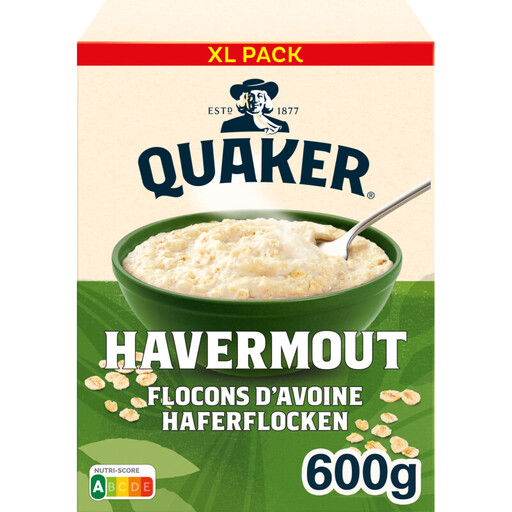
Why it suits this profile: A 600-gram pack containing 100% wholegrain oats is a straightforward choice for anyone looking to start eating porridge oats.
The ingredients list contains only wholegrain oats. It states 1.1 grams of sugar per 100 grams; check the current label before buying.
600 grams, 9 grams of fibre and 11 grams of protein per 100 grams; suitable for hot porridge or cold preparation.
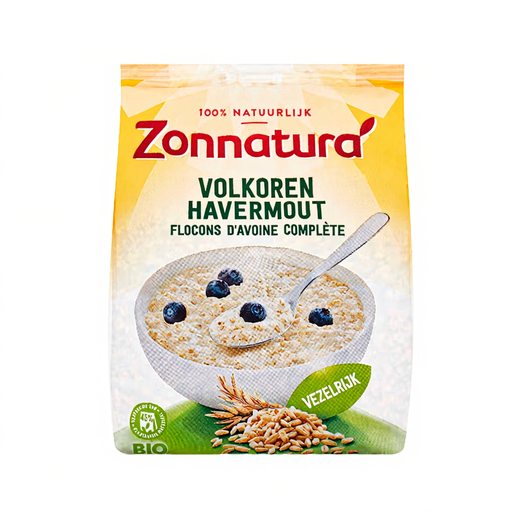
Why it suits this profile: Ideal for anyone who values organic ingredients and a short ingredients list without added flavourings.
The product information lists organic wholegrain oat flakes as the base. No separate sweet topping or chocolate component is mentioned.
500 grams, organic, 11 grams of fibre and 11 grams of protein per 100 grams; check the allergens on the packaging.
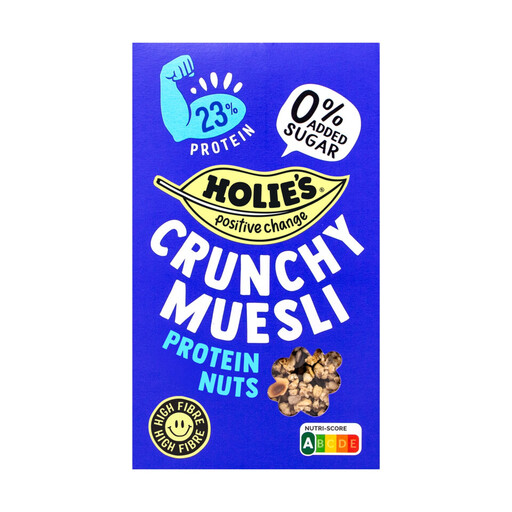
Why it suits this profile: Designed for athletes and shoppers looking for a crunchy breakfast with a high protein and fibre content.
The table states 23 grams of protein and 19 grams of fibre per 100 grams. The ingredients list also makes it clear that wheat, almonds and hazelnuts are present.
400 grams, 450 kcal, 23 grams of protein and 19 grams of fibre per 100 grams; according to the product description, with no added sugar.
We have put together a complete, up-to-date list of products that fully meet these strict selection criteria and the applicable European safety regulations.
Porridge oats usually consist of rolled or cut oats and are often prepared hot. Muesli is generally an untoasted mix of grains, nuts and possibly fruit. Granola is usually toasted, making it crunchier. Nutritional values vary by recipe, so check the label.
Look at the protein content per 100 grams and the source of the protein. Holie’s Crunchy Muesli Protein Nuts states 23 grams of protein per 100 grams. Bolletje Ball of Crunchy Muesli Protein also states 23 grams. Check the allergens in both products, as they contain cereals, soya and nuts, among other ingredients.
The shelf life is stated on the packaging. Once opened, store porridge oats and muesli in a cool, dry place and keep them tightly sealed. The texture of crunchy muesli can deteriorate more quickly when exposed to moisture. Do not use damaged packaging and always follow the manufacturer’s storage instructions.
