
当日/次日达

品质保障

开启新人专享福利: 全场免邮 | 低至 2 折 | 免费试用 30 天 JoyPlus 会员
下载 Joybuy
Porridge oats may seem like a simple product: you buy a bag, add milk or water and make porridge. Yet rolled oats, muesli, granola and instant oats can differ considerably in ingredients, preparation and nutritional value. Attractive packaging does not always tell the whole story.
If you want to buy porridge oats online, it is wise to pay particular attention to the label. Below are the main pitfalls, checks and popular choices for different breakfast routines.
A product may have no sugar or sweetener added to its ingredients list, yet still contain sugars from ingredients such as dried fruit. According to the product information, B+ Muesli Nuts and Fruit contains 0 grams of added sugar, while the product contains 20.8 grams of sugar per 100 grams. This is partly due to dried grapes and apricots.
Therefore, always check both of these details:
It is also sensible to check the packaging of “sugar-free granola”. “No added sugar” is not the same as “free from naturally occurring sugars”.
Some packs consist of several sachets or contain a separate sachet of glucose. The Family Whole products, for example, weigh 838 grams, but this consists of 700 grams of breakfast product and 138 grams of pure glucose.
So do not compare only the total pack weight. Check:
A pack with individual sachets can be convenient for work, school or travel, but it is not automatically better value than a bag of rolled oats.
Brands may communicate product properties on the packaging when these meet the applicable rules. According to Quaker’s own product information, its porridge oat products contain 3.6 grams of beta-glucans per 100 grams. Brinta states that beta-glucans from oats help maintain normal cholesterol levels. Such claims are part of a brand’s marketing communication and should be considered in the context of a varied diet.
For a practical comparison, verifiable information is more useful: ingredients, fibre, protein, sugar, salt and preparation method.
For simple porridge, a short ingredients list is often easier to understand. According to the product information, Brinta Oatmeal consists of 100% rolled oats and contains 9.7 grams of fibre and 13 grams of protein per 100 grams. Quaker Oatmeal consists of 100% wholegrain oats and contains 9 grams of fibre per 100 grams.
Muesli and granola have a different composition. They may contain added nuts, seeds, dried fruit, oil, cocoa, chicory-root fibre or other grains. This affects the taste, texture and nutritional value.
Oats are often listed alongside gluten-containing cereals in product information. If you need to follow a strict gluten-free diet, do not rely solely on the word “oats”. Check whether the product is labelled gluten-free and also read the “may contain” warning.
According to the product description, Holie’s Granola Glutenfree Peanut Chocolate is offered as gluten-free granola. However, the product contains oats and peanuts and may contain traces of almonds, cashews, hazelnuts, pecans and soya, among other allergens. Always check the current packaging before consuming, particularly if you have an allergy or coeliac disease.
Also look out for other allergens:
Fine rolled oats are suitable for making porridge quickly. According to the product information, Brinta’s extra-fine oats can be prepared in just a few minutes. Instant oats in sachets are even more convenient: add the stated amount of hot water and stir.
Coarser rolled oats usually need more time, but can provide a firmer texture. Muesli and granola are generally eaten cold with yoghurt or milk. According to the product description, SEAMILD Mixed Grain Cereal can be prepared hot or soaked overnight in milk or yoghurt.
Store opened breakfast cereals in a dry, cool place in a tightly sealed container. This helps prevent moisture absorption and loss of crunch. Check the best-before date on the packaging.
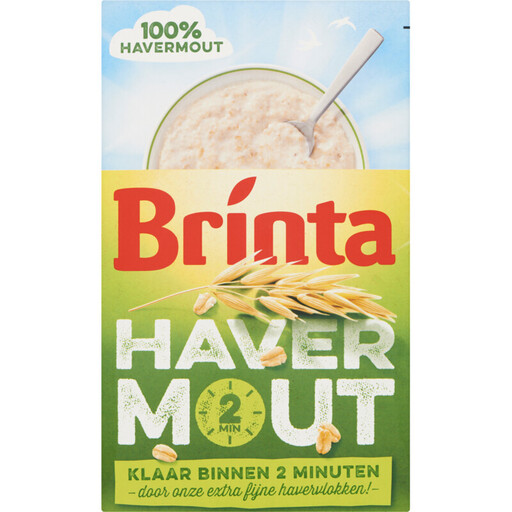
Why it suits this profile: A straightforward choice if you are buying porridge oats for the first time and value a short ingredients list. The product information states that there are 11 servings per pack.
The ingredients list states 100% rolled oats. This makes it easy to rule out added sweeteners, chocolate and dried fruit.
Extra-fine oats for quick preparation; 9.7 g of fibre per 100 g according to the product information.
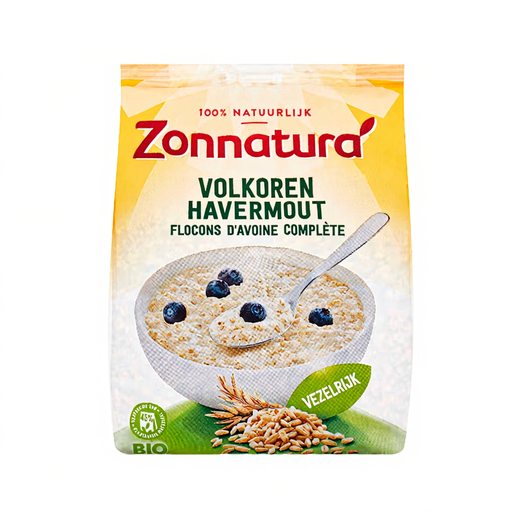
Why it suits this profile: Suitable if you are looking for organic porridge oats made with wholegrain oats and value provenance and certification.
The product information refers to organic wholegrain oats and European organic certification. Check the current code on the packaging.
11 g of fibre per 100 g; 100% organic wholegrain oats according to the product description.
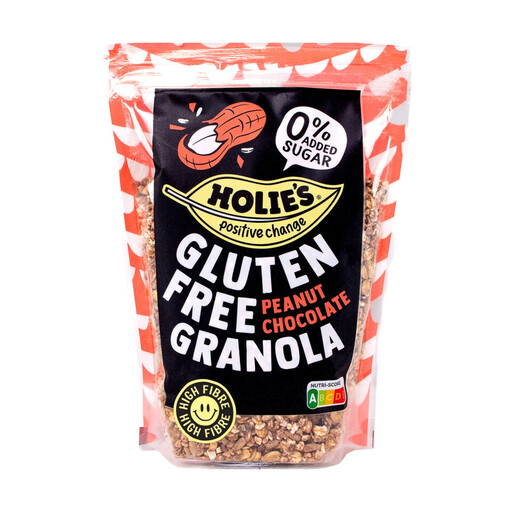
Why it suits this profile: An option for fans of crunchy granola with cocoa and peanuts who are looking for a version labelled gluten-free.
The product information states 0% added sugar. However, always check the current allergen information: the product contains peanuts and oats.
14 g of fibre and 15 g of protein per 100 g; cocoa and peanut flavour with a crunchy texture.
We have put together a complete, up-to-date list of products that fully meet these strict selection criteria and the applicable European safety regulations.
It depends on the pack size and serving size. Pure rolled oats often contain fewer ingredients, making them easy to compare by price per 100 grams. Granola is more likely to contain nuts, seeds, oil or cocoa, which can increase the price. Compare the price per 100 grams rather than just the retail price.
Follow the preparation instructions on the packaging. Fine rolled oats can usually be heated with milk or water and stirred for a few minutes. Instant oats are often prepared by adding hot water. Add fruit, yoghurt, cinnamon or nuts after cooking if you want to control the flavour and sweetness yourself.
Store porridge oats, muesli and granola in a cool, dry, airtight place. The exact shelf life is stated on the packaging. After opening, check for moisture, an unusual smell or a soft texture in granola. Products containing nuts and seeds need extra attention, as their flavour can change after prolonged exposure to heat or air.
