
Vandaag of morgen in huis

Kwaliteit gegarandeerd

Welkomstaanbiedingen ontgrendelen: GRATIS bezorging | Tot 80% korting | Gratis 30 dagen JoyPlus-proefperiode
Download de app
A box of breakfast cereal featuring words such as “natural”, “fit” or “sugar-free” may seem like an obvious good choice. However, these claims do not tell the whole story. With porridge oats and muesli, the key differences are often found in the ingredients list, nutritional values per 100 grams and preparation time.
This helps you avoid three common purchasing mistakes:
In the EU, ingredients are generally listed from the largest to the smallest proportion. With wholegrain porridge oats, a short list is therefore often easy to check. According to the product information, Quaker Oatmeal consists of 100% wholegrain oats. Brinta Oatmeal also lists 100% oat flakes.
With muesli and cruesli, things are different. Quaker Zs Cruesli Natural contains, among other ingredients, 41% wholegrain oat flakes, 17% wholegrain wheat flakes, sunflower oil and fibre from chicory root and soluble maize fibre. Varieties containing nuts or fruit add flavour and texture, but always check the proportion of these ingredients.
Serving sizes vary between brands. So first compare the same basis: per 100 grams. Pay particular attention to:
For illustration, according to the product table, Quaker Oatmeal contains 9 grams of fibre and 11 grams of protein per 100 grams. Brinta Oatmeal lists 9.7 grams of fibre and 13 grams of protein per 100 grams. Quaker Oats Express Protein contains 22 grams of protein per 100 grams and, according to the ingredients list, consists of 85% wholegrain porridge oats and 15% soya protein.
Ordinary porridge oats usually need to be heated or soaked. Fine flakes soften more quickly than coarse flakes. Instant porridge oats or breakfast drinks are more convenient when you are out and about, but check the ingredients and nutritional values.
According to the product description, Brinta Wake Up Natural is ready in around one minute with hot or cold water. The preparation time for Quaker Oats Express Protein is approximately two minutes, according to the label. The Family Whole products are individually packed in 35-gram sachets and prepared with approximately 175 ml of hot water. This is practical for fixed portions, but pay extra attention to the ingredients: some varieties contain sugar, maltodextrin, creamer or a separate sachet of glucose, among other ingredients.
The following choices are based on verifiable information from the product descriptions. Always check the current packaging, allergen information and nutritional table when purchasing.
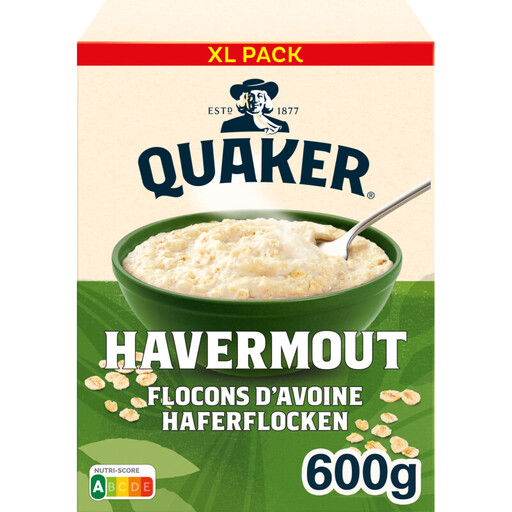
Why it suits this profile: A simple starting point for anyone buying porridge oats for the first time and wanting to add their own fruit, yoghurt or nuts.
The ingredients list contains only 100% wholegrain oats; no added sugars are listed.
600 grams, 9 grams of fibre and 11 grams of protein per 100 grams according to the product table.
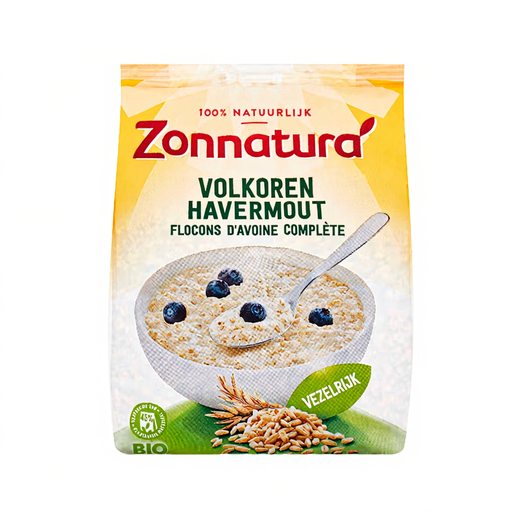
Why it suits this profile: Suitable for anyone who values organic porridge oats and a short ingredients list.
The product information states that it has European organic certification and that no sweeteners appear in the ingredients list.
100% wholegrain oat flakes, 11 grams of fibre and 11 grams of protein per 100 grams.
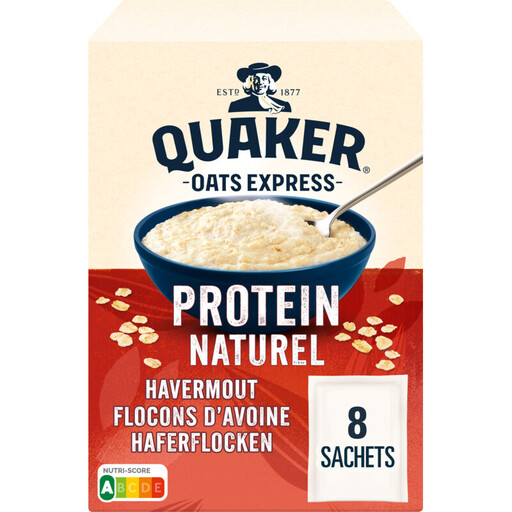
Why it suits this profile: Convenient for athletes or busy adults who want to prepare high-protein porridge quickly.
The product information states that it contains 22 grams of protein per 100 grams and no added sugars.
85% wholegrain porridge oats, 15% soya protein and a preparation time of approximately two minutes.
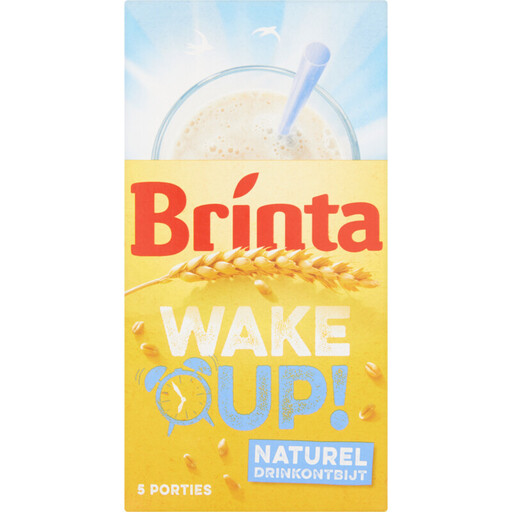
Why it suits this profile: A portion that is ready quickly when several family members have little time in the morning.
According to the product information, it takes approximately one minute to prepare, so the convenience is clearly specified.
Portion packaging, a source of fibre and preparation with hot or cold water.
We have put together a complete, up-to-date list of products that fully meet these strict selection criteria and the applicable European safety regulations.
Choose porridge oats if you want to decide on the flavour and ingredients yourself. With milk or yoghurt, fruit, cinnamon and nuts, you can easily create your own healthy breakfast without relying on a ready-made flavour mix.
Muesli often contains a combination of flakes, seeds, nuts and dried fruit. Check the proportion of fruit and whether any sugar has been added.
Cruesli is crunchy muesli. Its texture usually comes from roasting and ingredients such as oil, flour, syrup or sugar. Varieties labelled “no added sugars” are also available. This does not mean that the product contains no sugars; check the nutritional table.
For all varieties, look out for allergens such as gluten, oats, wheat, milk, soya and nuts. Particularly if you have an allergy or intolerance, the full packaging is the definitive source of information.
No. Oats naturally contain carbohydrates and a small amount of sugars. Fruit and raisins can also provide natural sugars. So check both the ingredients list and the “of which sugars” line per 100 grams.
Follow the preparation instructions on the packaging. Fine oat flakes can be heated with milk or water in just a few minutes. Instant porridge oats can sometimes be mixed directly with hot water. Add toppings afterwards, so you remain in control of the flavour and any additional sugars.
A large pack is often practical for everyday use and may work out cheaper per portion. Portion packs save time and make measuring easier, but compare the weight and price per 100 grams. This prevents the extra convenience from unnecessarily increasing the cost.
