
Vandaag of morgen in huis

Kwaliteit gegarandeerd

Welkomstaanbiedingen ontgrendelen: GRATIS bezorging | Tot 80% korting | Gratis 30 dagen JoyPlus-proefperiode
Download de app
A bowl of porridge might seem simple to choose, but packaging can paint a different picture from the ingredients list. Terms like “high in fibre”, “natural” and “high in protein” are only useful when you check how much of each is actually in the product. With breakfast porridge, instant porridge and cereal porridge, the composition, cooking time and portion size also vary widely.
For parents, there’s an extra consideration: a porridge for adults isn’t automatically suitable as baby porridge. The age recommendation, preparation instructions and allergens must always be appropriate for your child.
A product may contain wholegrain cereals, but still have relatively high sugar or other additions. So compare the values per 100 grams. As a reference, Brinta Oatmeal contains 9.7 grams of fibre and 13 grams of protein per 100 grams according to the product information. Quaker Oatmeal states 9 grams of fibre per 100 grams.
Also look out for the difference between regular rolled oats and an instant mix. A mix may dissolve more quickly, but can contain sugar, flavourings or milk ingredients, for example.
Baby food is tailored to a specific age stage. Porridge from 8 months and porridge from 12 months are not interchangeable. Olvarit Fine Grains states suitability from 8 months, while the Olvarit Three Grains and Eight Grains Vanilla varieties are labelled for children from 12 months.
Follow the preparation instructions on the packet. Also check for allergens such as milk, soya, wheat, rye, oats and other gluten-containing cereals. If you’re unsure about food for a baby or toddler, it’s wise to consult your health visitor or a doctor.
Instant porridge and porridge on the go save time, but not every product is ready to eat straight away. Some varieties need to be made up with hot water, while ready-to-eat rice porridge or Chinese congee can be eaten straight from the packet.
For example, MAMA Instant Porridge Seafood Cup requires boiling water and takes about two minutes to prepare. Yinlu Eight-Treasure Porridge, on the other hand, is ready to eat straight away, chilled or gently warmed. Always check the instructions on tinned products: do not heat a tin directly in the microwave.
First, choose the base that suits your diet:
Always read the allergen declaration. “Gluten-free” or “no added sugars” should not be assumed from the product name alone. According to the available product information, MAMA Seafood contains crustaceans, fish, milk, soya, wheat, barley and celery, among others.
Use the nutrition table to compare products fairly. A larger pack isn’t automatically better value if the portion size is bigger or many ingredients go unused. Look out for:
According to Quaker’s own product information, their standard porridge varieties contain no added sugars. Quaker Cinnamon Oatmeal, however, does list sugar in the ingredients. That difference is only visible when you read the back of the pack.
For a daily breakfast, a larger bag or multiple servings are practical. Brinta Oatmeal (450 g) states approximately 11 servings; Quaker Oatmeal (600 g) approximately 15 servings. Individual sachets are handy for the office, when travelling or if you want to measure out portions in advance.
Once opened, storage times vary. Olvarit products generally state a limited period after opening, while ready-to-eat porridge must be kept refrigerated after opening and consumed quickly. Always check the packaging, as shelf-life information can vary by batch.
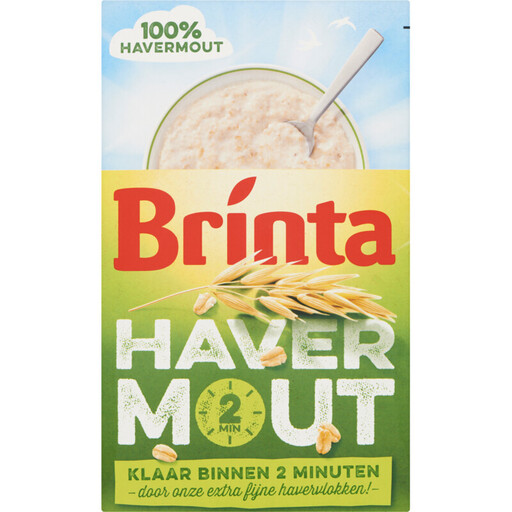
Why this fits the profile: A straightforward base for anyone buying porridge for the first time who wants to add their own fruit, milk or yoghurt.
The ingredients list states 100% oat flakes. So you can see straight away what the base is, without a long list of sweeteners or flavourings.
9.7 g fibre and 13 g protein per 100 g; extra fine flakes that are quick to prepare according to the product description.
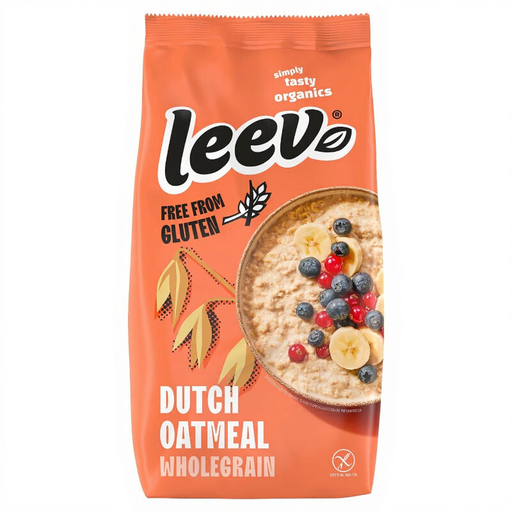
Why this fits the profile: Ideal for those who care about organic origin and want a simple composition without flavour variations.
No misleading flavour claims are needed: the product information states 100% organic wholegrain oats. Always check the current allergen information on the packaging though.
10 g fibre and 14 g protein per 100 g; can be eaten with milk, yoghurt or quark, hot or cold.
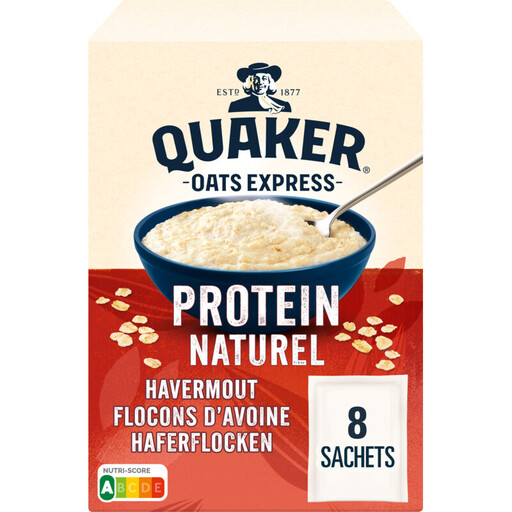
Why this fits the profile: Handy for active users or busy mornings thanks to portions that are ready in about two minutes according to the product information.
The protein content is clearly stated: 22 g per 100 g. At the same time, soya is clearly listed as an ingredient and allergen.
85% wholegrain oats, 15% soya protein, 7.2 g fibre per 100 g and no added sugars according to the product information.
For young children, Olvarit Fine Grains from 8 months and Olvarit Eight Grains from 12 months are possible options within their stated age category. For on the go or fans of Asian flavours, you could also look at MAMA Seafood Cup, Yinlu Eight-Treasure Porridge, Wahaha Eight Treasure Congee and Ma Yu Shan Oat & Adlay Cereal. These products differ significantly from classic porridge in terms of ingredients, salt, sugar and allergens.
We’ve put together a full, up-to-date list of products that fully meet these strict selection criteria and comply with current European safety regulations.
Follow the ratio on the packet. Regular rolled oats are usually heated with water or milk until they reach the desired thickness. Instant varieties can sometimes be made up with hot water. Only add fruit, yoghurt or nuts after you’ve checked the allergens and portion size.
Only choose a product that clearly states it is suitable from 8 months. Olvarit Breakfast Porridge Fine Grains states this age. Use the specified amount of milk, water and grains, and do not deviate from the preparation instructions.
Dry porridge oats will keep until the date on the packet if stored in a dry, sealed container. Prepared porridge should generally be kept refrigerated and eaten quickly. For baby food and opened ready-to-eat porridge, shorter times often apply; always follow the packaging.
