
Vandaag of morgen in huis

Kwaliteit gegarandeerd

Welkomstaanbiedingen ontgrendelen: GRATIS bezorging | Tot 80% korting | Gratis 30 dagen JoyPlus-proefperiode
Download de app
Craving pork with an authentic Asian flavour, but dreading the hassle of gathering a long list of ingredients? A ready-made pork marinade seems like the perfect solution. Yet, the search often ends in disappointment. Many products on the shelf overpromise and underdeliver. As a Joybuy Product Recommendation Officer, I'm here to help you recognise the pitfalls and make a choice that suits the dish you have in mind.
Before you toss a random bottle or packet into your basket, it's wise to consider a few common problems:
To make a good choice, it helps to understand two core characteristics. This will help you look past the marketing and focus on what really matters for your meal.
Not every "marinade" is the same. The format determines the preparation method and the final result.
The term Asian marinade is too broad. The flavours within Asia vary enormously. Know which profile you're looking for:
To get you started, we've highlighted a few products that fit specific needs and cooking styles.
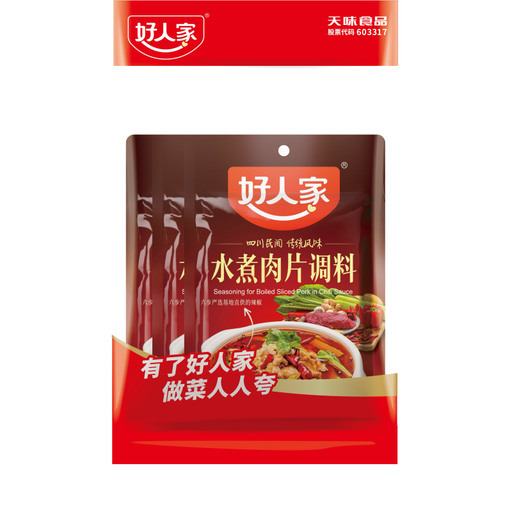
Why This Fits Their Persona: Perfect for those who want to make a specific and authentic Sichuan dish (Shuizhu Roupian) without having to blend all the spices themselves. It delivers the signature numbing and spicy 'mala' flavour.
This is a complete kit with three separate sachets (marinade, base, topping). You don't need to buy extra, hard-to-find ingredients to achieve the authentic taste.
Delivers a complex, layered flavour that goes beyond just 'spicy'. The step-by-step preparation ensures a result that comes close to a restaurant-quality dish.
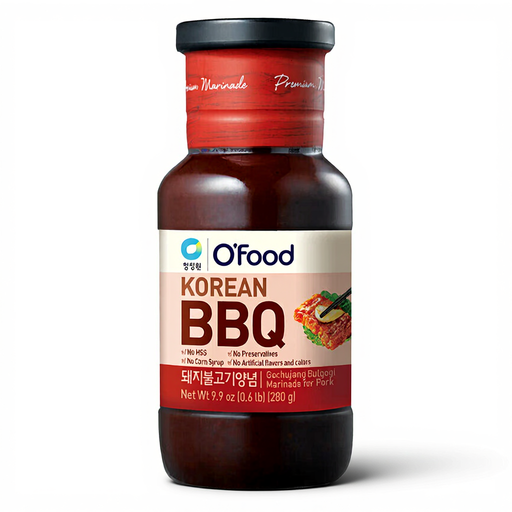
Why This Fits Their Persona: Ideal for a quick, flavourful meal. This liquid Korean marinade is ready to use and imparts a popular sweet-and-savory flavour to pork strips or chops.
This product delivers a specific, recognisable Korean flavour instead of a vague "Asian" blend. The addition of apple and pear puree provides a natural sweetness.
Extremely user-friendly: just marinate and cook. No extra steps or ingredients needed. Works well for both pan-frying and grilling.
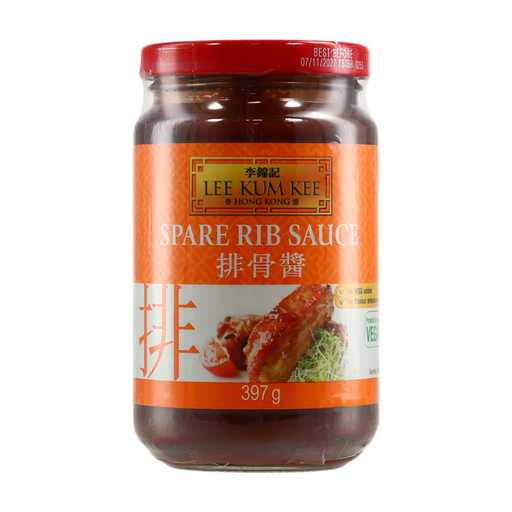
Why This Fits Their Persona: Specifically developed for spare ribs. This sauce provides that classic, sticky, and sweet-and-savory glaze you look for in grilled or oven-baked ribs. A reliable choice for a classic dish.
This isn't a general-purpose marinade but a specialised spare rib sauce. Its thickness and sugar content are formulated for caramelising and glazing, a task a generic sauce often fails at.
Multifunctional: can be used as a marinade, as a basting sauce during slow cooking, and as a final glaze on the grill or in the oven.
We have compiled a complete, up-to-date list of products that meet these selection criteria and are suitable for a variety of Asian dishes.
This depends on the thickness of the meat and the intensity of the marinade. For thin strips of pork, 15-30 minutes is often sufficient. For thicker cuts like pork chops or spare ribs, a period of 4 hours to overnight is recommended for deeper flavour penetration. Always follow the instructions on the product's packaging.
A marinade is used to flavour meat before it is cooked. It often contains an acid (like vinegar or citrus) or enzymes (like those in pineapple or kiwi) that help tenderise the meat. A sauce is typically added during or after cooking as a flavouring or glaze. Some products, like the Lee Kum Kee Spare Ribs Sauce, can be used for both purposes.
In many cases, yes. A Korean pork marinade, for instance, is also very popular for chicken (Dak Bulgogi) or beef (Bulgogi). The sweet-and-savory flavours work well with different types of meat. However, a specific Sichuan spice mix for pork might have a flavour profile that doesn't pair as well with chicken, for example. Check the packaging for the manufacturer's suggestions.
