
Vandaag of morgen in huis

Kwaliteit gegarandeerd

Welkomstaanbiedingen ontgrendelen: GRATIS bezorging | Tot 80% korting | Gratis 30 dagen JoyPlus-proefperiode
Download de app
Packaging featuring steaming broth, pork ribs or tonkotsu ramen can look appealing. However, the front of the pack tells you little about what you are actually buying. With pork-flavoured instant noodles, portion size, preparation method, ingredients and salt content can vary considerably.
For a quick meal at home, in the office or in a student house, three pitfalls are particularly important:
Choose the packaging based on how you intend to use it:
Do not only look at the price per pack; also compare the price per 100 grams. A smaller portion may appear cheaper while containing a lower total quantity of noodles.
The instructions determine whether a product fits into your routine. Jin Mai Lang, for example, specifies approximately 550 ml of water and three minutes of cooking time. For Bai Xiang in a bowl, you need around 500 ml of boiling water and a standing time of five to six minutes. According to the product information, MAMA pork noodles require approximately 350 ml of water and three minutes of standing time.
A difference of 150 to 200 ml of water is significant in practical terms. In the office, you may not want to use a large pan, while cooking at home can give the noodles a fuller texture. Follow the instructions on the packaging: too little water can make the broth saltier, while soaking the noodles for too long can alter their texture.
Most Chinese instant noodles, Japanese ramen and Thai instant noodles in this selection contain wheat or gluten. Soya is also common in soya sauce powder, soya protein or the broth. Some varieties also mention sesame or fish.
You should therefore always check:
Values can vary considerably from one product to another. Wugu Daochang, for example, states 1,780 mg of sodium per 100 grams, while Uni-President Braised Pork Rib Noodles state 3.8 grams of salt per 100 grams. These figures are not directly comparable: sodium and salt are different measurements. Use the nutrition table on the packaging as your guide, and also consider how much of the flavouring ingredients you actually add.
A claim about texture, flavour or product performance comes from the product description provided by the brand or seller. According to Wugu Daochang’s own product information, for example, the noodles are described as non-fried. This is a product specification, not a general statement about nutritional value or health.
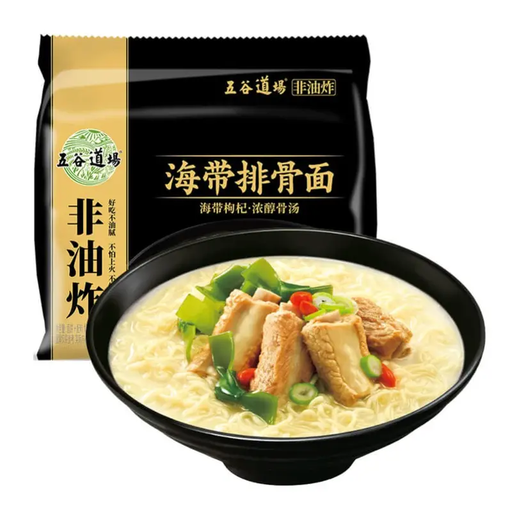
Why it suits this profile: These Chinese instant noodles come as a 5-pack of 107 grams. This makes them a manageable option for anyone trying pork rib noodles for the first time.
The contents are clearly specified and consist of five individual packs. The product information mentions a separate seaweed sachet and pork rib seasoning, so you know which flavour components are included.
Non-fried wheat noodles according to the product description; 5 x 10⁷ grams; with dried vegetables and seaweed.
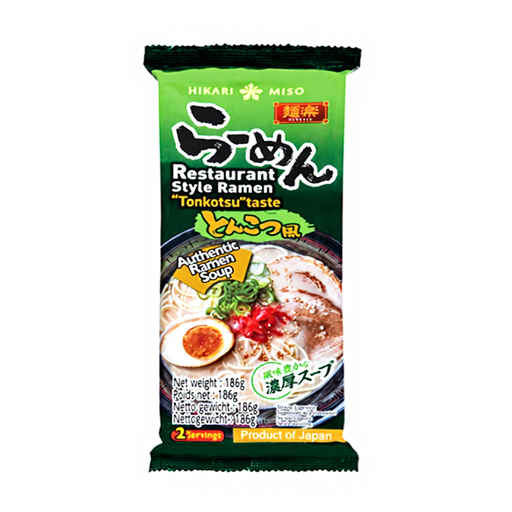
Why it suits this profile: For anyone looking for Japanese ramen with a tonkotsu and miso flavour who would prefer to buy a larger 186-gram pack for a meal at home.
The flavour profile is clearly described as tonkotsu with miso. The ingredients list includes miso, pork extract, garlic and onion, among other ingredients; check the label for wheat and soya allergens.
Japanese origin according to the product information; tonkotsu miso flavour; nutritional value stated per 100 grams, including 3.75 grams of salt.
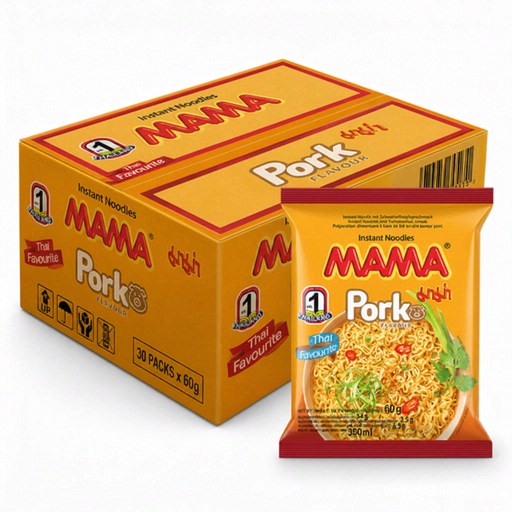
Why it suits this profile: These Thai instant noodles are designed for keeping a large supply, with 30 individual 60-gram sachets, making them suitable for offices, student houses or regular use.
The number of sachets and the weight per sachet are clearly specified. The preparation instructions state 350 ml of boiling water and three minutes, making it easy to plan your supply.
30 individual portions; origin Thailand according to the product information; wheat, soya and sesame allergens are listed.
We have put together a complete, up-to-date list of products that fully meet these strict selection criteria and the applicable European safety regulations.
Follow the preparation method on the packaging. Usually, you add the noodles and seasonings to boiling water. Sachets may require three to five minutes of cooking time, while cups are often filled with boiling water and then covered. Add oil or sauce sachets at the specified stage to achieve the intended distribution of flavour.
Unopened instant noodles can be kept until the date shown on the packaging, provided they are stored somewhere dry and cool, away from direct sunlight. Check the packaging for damage. Once opened, it is best to prepare the contents straight away, particularly if individual sachets or a cup have already been opened.
That depends on the price per 100 grams, the number of portions and the contents of each sachet or cup. A box containing 30 small portions can be convenient for keeping in stock, but it does not automatically contain more noodles per meal than a 5-pack. Always compare the total net quantity, preparation method and shelf life before buying ramen.
