
Vandaag of morgen in huis

Kwaliteit gegarandeerd

Welkomstaanbiedingen ontgrendelen: GRATIS bezorging | Tot 80% korting | Gratis 30 dagen JoyPlus-proefperiode
Download de app
A pore mask for the face can help remove excess sebum and surface impurities. However, not every clay or mud mask offers the same experience. A product that is too strong can leave your skin feeling tight, while a mask that is too mild may make little difference to oily or combination skin.
So do not focus solely on words such as “detox”, “pore tightening” or “deep cleansing”. Pay particular attention to the ingredients, the application time and how you use the mask.
Brands regularly use terms such as “minimises pores” or “reduces sebum by a certain percentage”. Pores do not disappear permanently as a result of using a face mask. The visible effect usually consists of a temporarily cleaner or smoother-looking skin surface.
According to SKIN1004’s own research, the clay mask formula can reduce sebum production by 87% after one application. This is a brand claim based on its own research conditions and is not a guarantee for every user.
A clay pore mask absorbs oil from the surface of the skin. This can feel pleasant on oily skin, but daily use may cause dryness or tightness. A sebum control mask is therefore not automatically suitable for everyday use.
Follow the instructions on the packaging and preferably start by using it once a week. Combination skin may benefit from multi-masking: apply the mask only to the T-zone and use a hydrating product on drier areas.
Some masks contain salicylic acid, glycolic acid, gluconolactone or other exfoliating ingredients. This may be relevant when choosing a mask for clogged pores, but combining it with multiple acids, scrubs or retinoids can make the skin uncomfortable.
Always check the complete ingredients list. Stop using the product if you experience redness, burning, itching or swelling, and rinse it off. If you have sensitive skin, a patch test is advisable.
A formula containing several types of clay is not necessarily more suitable. For dry or dehydrated skin, what matters most is how long the mask stays on and whether it also contains glycerine, panthenol or other nourishing ingredients.
A short application time is practical when you are short on time. SKIN1004 recommends leaving the Fast Clay Stick Mask on for 3 to 5 minutes. According to the product information, the No Problem Charcoal Mask is used for 5 to 10 minutes. Other formulas require 10 to 15 minutes.
Do not leave a mask on for longer than instructed. Allowing it to dry completely can make it more difficult to remove and increase the feeling of tightness.
A pore-refining mask may suit oily or combination skin, but look beyond the label:
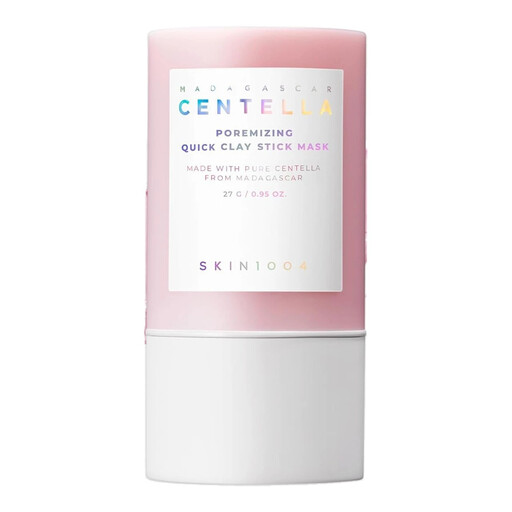
Why it suits this profile: The stick format makes application easy and minimises mess. The short recommended application time suits a simple at-home routine.
The formulation is clearly set out: five types of clay, including 18% kaolin according to the product information. The manufacturer recommends using it for 3 to 5 minutes; leaving it on for longer is unnecessary.
Stick application without direct contact with your hands; contains kaolin, bentonite, illite and centella asiatica extract.
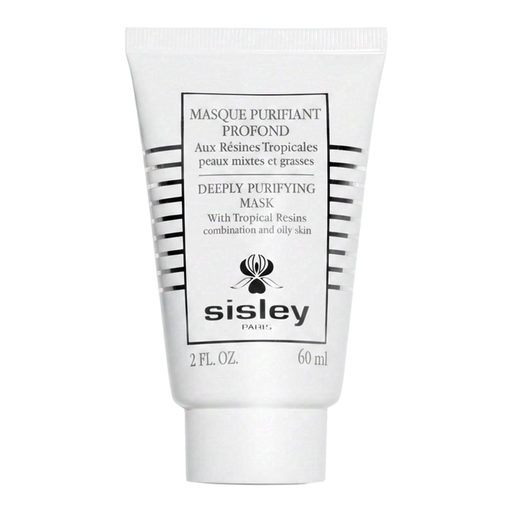
Why it suits this profile: The creamy texture and recommended use of once or twice a week suit a well-maintained routine for combination to oily skin.
The product information clearly states the intended skin type and application, without encouraging daily use. However, check the ingredients list for fragrance and fragrance allergens.
Contains kaolin and bentonite; the instructions recommend a 10-minute application time and one to two applications per week.
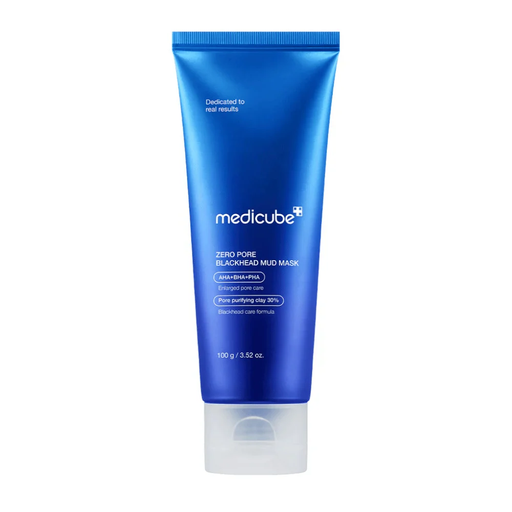
Why it suits this profile: This is an option for users looking for a targeted mask for visible pores and blackheads who want to introduce ingredients into their routine carefully.
The formulation lists AHA, BHA and PHA separately. This allows you to make a more informed decision about whether it suits your routine. The instructions recommend approximately 3 minutes and use once or twice a week.
Combines kaolin and bentonite with exfoliating acids; also contains sodium hyaluronate and allantoin. Avoid combining it with other strong exfoliants if you have sensitive skin.
A wash-off mask is usually practical for use at home, as you can easily adjust the intensity and frequency. Korean face masks are often available in clay, mud, stick and sheet formats. Choose the format that fits your routine, not just the appearance of the packaging.
We have put together a complete, up-to-date list of products that fully meet these strict selection criteria and the applicable European safety regulations.
For most clay and mud masks, once or twice a week is a practical starting point. Sensitive or dry skin may need less frequent use. Always follow the product packaging and adjust the frequency if your skin feels tight or looks red.
A face mask for blackheads can loosen or absorb surface oil and dirt. The result is generally temporary and visible on the surface of the skin. Preferably choose a formula that clearly states its ingredients and application time. A mask is not a substitute for professional or medical treatment.
Rinse the mask off thoroughly with lukewarm water, then apply a hydrating product. Avoid using a harsh scrub or several exfoliating acids immediately afterwards. If irritation persists, stop using the product and check the ingredients for potential allergens.
