
Vandaag of morgen in huis

Kwaliteit gegarandeerd

Welkomstaanbiedingen ontgrendelen: GRATIS bezorging | Tot 80% korting | Gratis 30 dagen JoyPlus-proefperiode
Download de app
A pore-refining face mask can be a welcome addition to your routine when your skin feels oily, blackheads are visible, or your skin texture seems uneven. However, not every pore mask is suitable for every skin type. A mask that absorbs a lot of sebum can, for example, cause tightness on dry or sensitive skin.
The main pitfall is that marketing language often suggests pores can be permanently reduced in size. A mask can remove excess sebum and dirt, making pores appear temporarily less visible. It won't permanently change the size of your pores. So, pay close attention to ingredients, usage time, and how the product suits your skin.
A clay face mask can absorb sebum and leave the skin feeling smoother. This explains why pores can appear less noticeable after use. However, the effect is not a permanent change to the pore structure.
A mask for oily skin is not automatically suitable for daily use. Some formulas contain multiple types of clay, charcoal, acids, or essential oils. Overuse can leave the skin feeling dry, red, or tight. Always follow the label and, if you have sensitive skin, start with a short application time.
Charcoal, tea tree oil, salicylic acid, or "Korean skincare" don't tell you enough on their own. Look at the full ingredients list and check whether the product contains fragrance, citrus oils, or exfoliating acids. According to a brand's product information, an effect is not automatically guaranteed for every user.
For a purifying face mask, clays such as kaolin, bentonite, illite, and montmorillonite are relevant ingredients. They are used to absorb excess oil on the skin's surface. Activated charcoal also appears in some formulas.
If you are specifically looking for a face mask for blackheads, check whether the formula contains exfoliating ingredients. Salicylic acid, gluconolactone, or other acids may be present in some products. Use such formulas with caution and do not combine them with other exfoliating skincare on the same day.
A clay mask in a pot or tube is handy when you want to treat just the T-zone regularly. A stick version can be less messy and is practical for on-the-go use. Sheet masks are generally quick to use, but they often contain a hydrating essence rather than a strongly absorbent clay formula.
Pay attention to the net weight and the number of applications. A box of five mud sheets, like the Luvum Pore Refining Mud Mask, works differently from a tube of 120 ml or 140 ml. The cost per use gives a fairer picture than just the purchase price.
Most of the masks mentioned here have a recommended application time of around 3 to 20 minutes, depending on the formula. Leaving it on for longer does not automatically improve the result. Always avoid the area around the eyes and lips.
For products with AHA, BHA, PHA, citrus oils, or tea tree oil, a patch test is advisable. Stop if you experience redness, itching, a stinging sensation, or any other irritation. Use sun protection during the day if the product information warns of increased sensitivity due to acids.
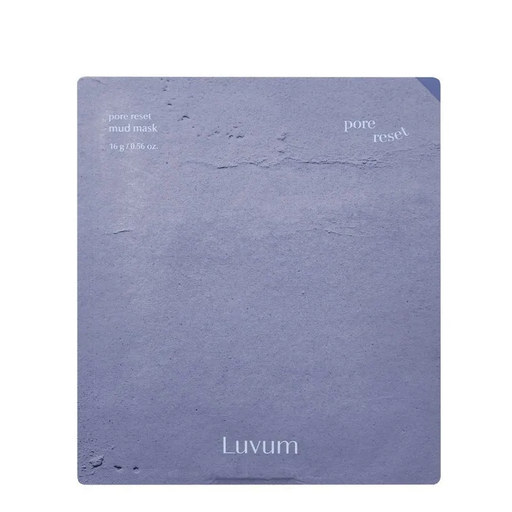
Why this fits the profile: A single sheet is ideal if you want to try how a mud mask feels on your skin before committing to a larger pack.
The product description states a fixed usage time of 10–15 minutes, so you won't leave the mask on unnecessarily long.
Kaolin, bentonite, and activated charcoal are listed in the product information; tea tree oil is also mentioned.
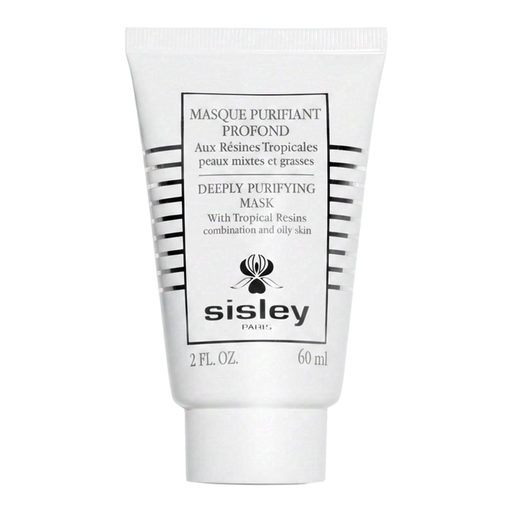
Why this fits the profile: The creamy texture and recommended use of one to two times a week suit a well-maintained routine for combination to oily skin.
The usage instructions specify 10 minutes and warn against contact with the eyes and possible irritation.
Contains kaolin, bentonite, glycerine, and panthenol according to the ingredients list; the size is 60 ml.
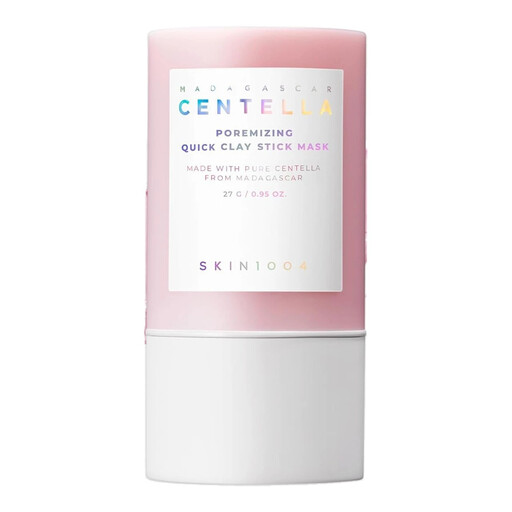
Why this fits the profile: The stick format is handy for targeted application on the nose, chin, or T-zone and minimises mess during a busy routine.
The instructions state 3–5 minutes and advise sealing the product well after use. This helps prevent the stick from drying out unnecessarily.
The formula lists five types of clay, including kaolin, bentonite, illite, and montmorillonite; the size is 27 g.
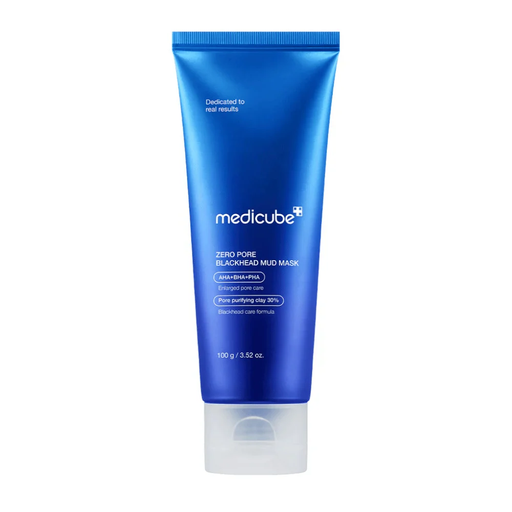
Why this fits the profile: If you are looking for various active ingredients for the T-zone, you can use this formula in a targeted way, one to two times a week, depending on your skin's tolerance.
The product information states a short application time of around 3 minutes and advises a patch test, especially for sensitive skin.
The ingredients list includes kaolin, bentonite, salicylic acid, glycolic acid, and gluconolactone. Citrus oils are also included.
Do not use multiple strong masks and acids at the same time. Oily skin still needs hydration; a tight feeling does not mean the product is working better.
We have compiled a full, up-to-date list of products that fully meet these strict selection criteria and comply with current European safety regulations.
That depends on the formula. Many clay masks are used one to two times a week. A product with multiple acids or essential oils requires extra caution. Always check the packaging and pay attention to how your skin reacts.
A mask can remove sebum and surface impurities, which can make blackheads temporarily less visible. It does not automatically prevent new blackheads and is not a substitute for a suitable daily skincare routine.
The smooth or matte feeling can be noticeable after a single use, but the duration varies by skin type and routine. A mask does not permanently change pore size. Regular, but not excessive, use is wiser than a long application time or daily application.
