
Vandaag of morgen in huis

Kwaliteit gegarandeerd

Welkomstaanbiedingen ontgrendelen: GRATIS bezorging | Tot 80% korting | Gratis 30 dagen JoyPlus-proefperiode
Download de app
A pore-purifying face mask may seem like a simple purchase, but the difference between a pleasant result and tight-feeling skin often comes down to the details. This is especially true for oily, combination, sensitive or blemish-prone skin, as not every clay face mask is suitable. A mask that removes too much oil, is left on for too long or contains a lot of fragrance can feel uncomfortable and may not fit easily into your daily routine.
So don’t just look for words such as “detox”, “minimise pores” or “professional treatment”. Pay particular attention to the ingredients, application time and product quantity. Below, you’ll find the key points to consider, along with some popular choices for different skin types and situations.
A clay face mask can absorb excess sebum. This may leave your skin feeling temporarily more mattified. However, a very tight or burning sensation does not automatically mean that the mask is working better. For dry or sensitive skin, a formula containing several types of clay may actually feel less comfortable.
That’s why you shouldn’t automatically use a face mask for oily skin all over your face. If you have combination skin, for example, you could apply a mask only to your nose, chin and forehead.
Terms such as “detox”, “removes toxins” and “closes pores” are often used as selling points. Pores cannot be permanently closed. However, a mask can help remove dirt, sebum and dead skin cells from the skin’s surface, making pores temporarily appear less noticeable.
Claims about soothing, sebum regulation or visible results come from product information or brand communications. A brand’s own research does not automatically guarantee that these claims will apply to your skin. Instead, look for verifiable information such as the ingredients list, product size and instructions for use.
A large jar is not always better value. A product used just once a week may last a long time, while a set of sheet masks may run out sooner but provide a clearly measured amount per treatment. Also check whether the product needs to be sealed airtight after opening and whether the shelf-life information is shown on the packaging.
For a mask for blackheads and excess sebum, the following ingredients are often used:
A face mask for blemish-prone skin is not a substitute for dermatological treatment. For persistent, painful or severe skin problems, advice from a doctor or skincare professional is more appropriate.
A short application time of around 3 to 10 minutes, for example, is practical for beginners. Some sheet masks, on the other hand, require 20 to 30 minutes. Always follow the manufacturer’s instructions. Leaving a mask on for longer does not automatically make it more effective and may make your skin feel less comfortable.
A tube is convenient if you want to use the product regularly or target specific areas. A stick mask minimises contact with your hands and is practical for a quick treatment. Individual sheet masks are suitable when you want to use a fixed amount each time. Also consider the quantity: 60 ml, 100 ml and 140 ml cannot be directly compared with a box containing several individual masks.
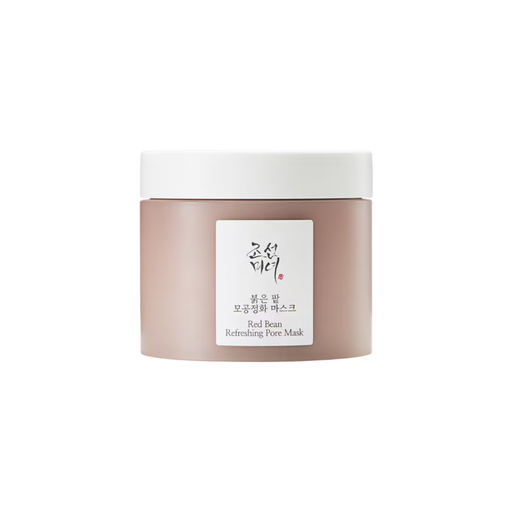
Why it suits this profile: The tube contains 140 ml and combines kaolin with red bean powder and extract. The stated application time of 5 to 10 minutes is easy to follow for those just starting out.
The instructions provide a clear, short application time, so you won’t leave the mask to dry for longer than necessary.
140 ml contents, kaolin for absorbing sebum and a washable formula with gentle exfoliating action.
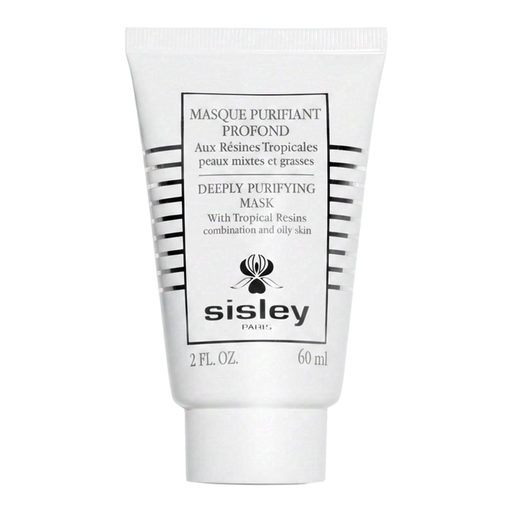
Why it suits this profile: According to the product information, this creamy formula is intended for combination to oily skin. The ingredients list includes kaolin, bentonite and panthenol, among others.
The instructions recommend 10 minutes, once or twice a week. This helps prevent excessive removal of oil.
Creamy texture, 60 ml contents and several nourishing plant extracts in the stated formula.
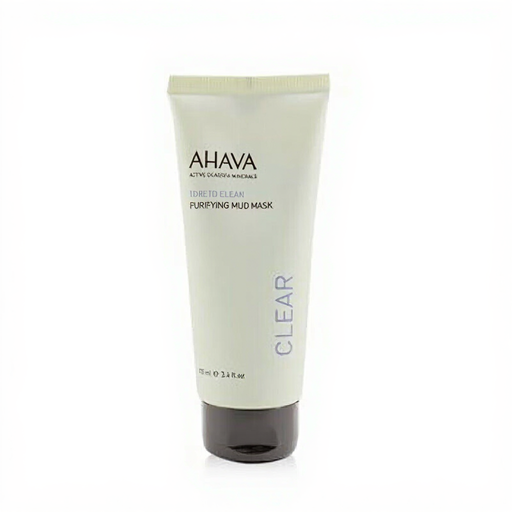
Why it suits this profile: The product description mentions mud containing minerals from the Dead Sea and a 100 ml tube. This makes it suitable for those looking for a classic purifying face mask for regular use.
The tube allows you to apply the product to specific areas. This means you don’t have to routinely treat the drier parts of your face.
100 ml contents, a mud formula and practical packaging for repeated use.
We’ve put together a complete, up-to-date list of products that fully meet these strict selection criteria and the applicable European safety regulations.
It’s best not to combine several highly exfoliating products on the same day. Check the INCI list if you have known allergies and stop using the product if you experience redness, itching, swelling or a burning sensation.
A mask can help remove surface sebum and dirt, making blackheads temporarily less noticeable. The effect varies from one person and product to another. A mask does not guarantee that new blackheads will be prevented and is not a substitute for suitable daily skincare.
For many clay masks, the recommended frequency is around once or twice a week. Some products recommend using them two to three times a week. Follow the product packaging and pay attention to how your skin feels. Tight, flaky or irritated skin is a sign that you should use a mask less often.
The shelf life is shown on the packaging and may be indicated by a date or a period-after-opening symbol. Close a jar or tube securely after use and store the product in a cool, dry place away from direct sunlight. A changed smell, altered texture or irritation may indicate that you should stop using the product.
