
Same-day & Next-day Delivery

Quality Guaranteed

Unlock Your Welcome Offers: FREE Delivery | Up to 80% OFF | Free 30-day JoyPlus trial
Download the APP
Visible pores, blackheads and a shiny T-zone are all good reasons to look for a pore mask. However, not every face mask for pores is the same. A clay face mask can absorb excess sebum, while a sheet mask mainly adds moisture and nourishing ingredients. The right choice therefore depends on your skin type, the ingredients and how often you want to use the product.
Pores do not disappear permanently because of a mask. A product can help remove sebum, dirt and dead skin cells from the skin’s surface, making pores temporarily less noticeable. Claims about permanently smaller pores should therefore be viewed with caution.
Look out for phrases such as “visibly refined pores” or “a tighter-looking appearance”. These usually describe a cosmetic effect on the appearance of the skin, not a permanent change to its structure.
A mask that dries hard or feels tight can seem appealing if you want to cleanse your pores. However, with dry, sensitive or combination skin, this sensation can also indicate dehydration or irritation. Clay, charcoal, acids, essential oils and fragrance all deserve extra attention if your skin reacts easily.
According to some brands’ own product information, ingredients such as salicylic acid, glycolic acid, AHA, BHA or PHA can make the skin more sensitive to sunlight. Always follow the label and test a new product on a small area of skin first.
A 240 g tube may look appealing, but only if you use the product regularly and the formula suits your skin. A single-use mud mask or a stick mask may be more practical if you only use a mask occasionally. Also check the shelf-life information, number of applications and recommended frequency of use.
To regulate sebum and absorb excess sebum, ingredients such as kaolin, bentonite, illite and other types of clay are often used. Charcoal and mud are also found in purifying face masks. The effect depends on the complete formula and how you use the product; one ingredient does not automatically determine the result.
If you want to remove blackheads, it is also important to distinguish between superficial impurities and deeper blockages. Do not scratch your skin or squeeze hard, as this can damage it. A mask can support your routine, but it is not a substitute for professional or medical assessment if skin problems persist.
Check the ingredients list before buying. Pay particular attention to:
Do not use several highly exfoliating products at the same time if your skin is not used to them. Do not apply a pore mask to damaged or irritated skin, and avoid the eye and lip area.
A tube is convenient for a regular weekly routine. A clay stick can make precise application easier and reduce contact with your hands. A set containing several masks is suitable if you want to alternate between different skincare needs. Also check the specified application time: three to five minutes is better suited to a quick routine than a mask that needs to stay on for ten to fifteen minutes.
The choices below are based on verifiable details such as size, format, ingredients and instructions for use. Brand claims about refining or tightening pores are not presented as guaranteed results.
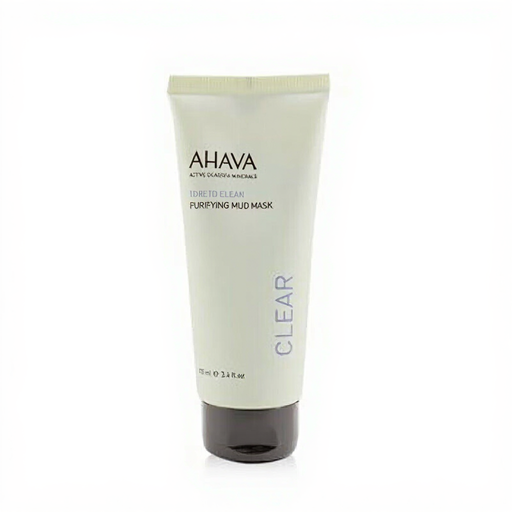
Why it suits this profile: The 100 ml tube is a manageable option for anyone trying a mud mask for the first time and looking for a product to use as part of a regular routine. According to the product description, the formula contains Dead Sea mud and minerals.
The size makes it easier to estimate how long the product will last than with a very large pot. However, check the current ingredients list and carry out a patch test first if you have sensitive skin.
100 ml tube; mud texture; intended as a cleansing treatment for various skin types according to the product information.
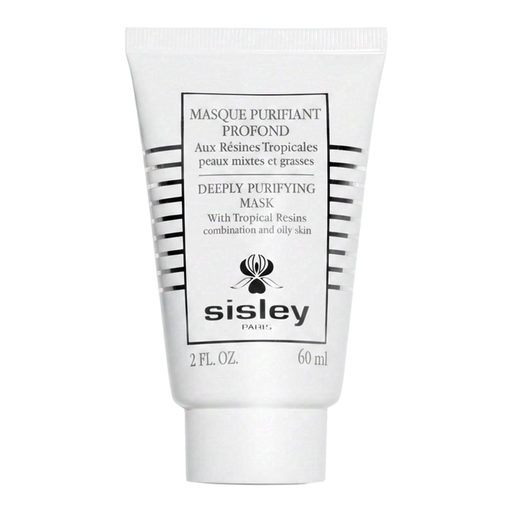
Why it suits this profile: According to the product information, this creamy wash-off mask is intended for combination to oily skin and contains kaolin, bentonite and panthenol, among other ingredients.
The recommended application is once or twice a week for 10 minutes. This helps prevent overuse of an absorbent mask.
60 ml; creamy formula; contains white clay and plant extracts according to the listed ingredients.
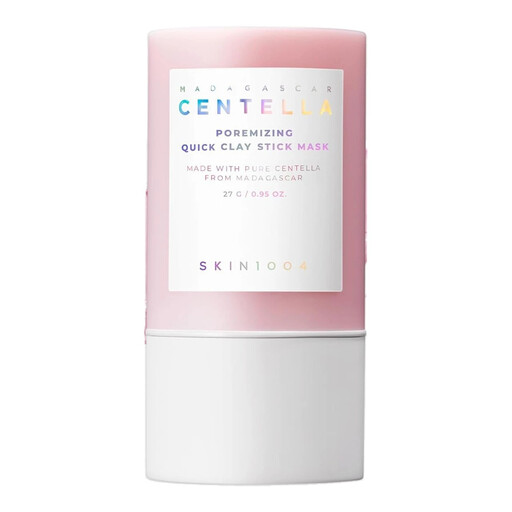
Why it suits this profile: The stick format is convenient for targeted application to areas such as the nose, chin or forehead. The product information lists five types of clay and a recommended application time of 3 to 5 minutes.
The short contact time prevents you from leaving the mask to dry for longer than necessary. Close the stick securely after use so the formula does not dry out.
27 g; direct application without getting your hands dirty; contains kaolin, bentonite, illite and montmorillonite.
Be cautious if you have blemish-prone skin. A product that, according to a brand’s own research, helps reduce sebum or impurities is not guaranteed to treat acne. Stop using it if you experience burning, swelling, itching or persistent redness, and consult a doctor or pharmacist if you have concerns.
We have compiled a complete, up-to-date list of products that fully meet these strict selection criteria and the applicable European safety regulations.
That depends on the formula and your skin type. Many clay and mud masks are used once or twice a week. Some products recommend using them 2 to 3 times a week, but sensitive or dry skin may require less frequent use. Always follow the instructions on the packaging.
A mask can help loosen or absorb sebum and superficial impurities. It does not always remove all blackheads, nor is it guaranteed to prevent new blockages. Use lukewarm water, do not rub hard and do not automatically combine the mask with several exfoliating products.
Look for a wash-off formula containing ingredients such as kaolin or bentonite if your main aim is to absorb excess sebum. For combination skin, you can apply the mask only to the T-zone. If you also have dry skin, choose a milder formula and use a moisturising product afterwards.
