
Vandaag of morgen in huis

Kwaliteit gegarandeerd

Welkomstaanbiedingen ontgrendelen: GRATIS bezorging | Tot 80% korting | Gratis 30 dagen JoyPlus-proefperiode
Download de app
Visible pores, blackheads and a shiny T-zone don’t automatically call for an aggressive treatment. A pore mask can help remove excess sebum and surface impurities, but the results depend heavily on the type of mask, the ingredients and how often you use it.
After a clay mask, your skin can feel temporarily tight. That doesn’t mean your pores have become permanently smaller. Refining pores is mainly about reducing excess sebum and making the skin texture appear smoother. So look for controllable features such as clay types, usage duration and skin type, rather than just terms like “deep detox”.
An oil-absorbing face mask can be pleasant for an oily T-zone, but dryness or irritation can occur if you use it too often or on dry skin. A combination skin type can benefit from applying it only to the nose, chin and forehead. You can skip your cheeks or treat them with a milder, hydrating mask.
A 240-gram pot might seem good value, but a single-use sheet mask is more convenient when you’re short on time or want to try a product first. Also check whether it’s a wash-off mask, sheet mask or stick mask. These formats differ in ease of use, storage convenience and the amount of product per application.
Many clay masks for pores contain kaolin, bentonite, illite or montmorillonite. These clays are used in cosmetic formulas to absorb oil and surface impurities. A charcoal face mask may also contain activated carbon. According to the product description from Luvum, the Pore Refining Mud Mask contains bentonite, kaolin and activated charcoal, for example.
Don’t just look at the ingredient name; check the full ingredients list too. Fragrance, citrus oils or essential oils may be less suitable for some skin types. Always test a new product on a small area of skin first, especially if you have sensitive skin.
The recommended leave-on time varies:
Leaving a mask on longer doesn’t automatically give a stronger effect. Follow the packaging and rinse off as soon as the stated time has passed. A clay mask for acne should not be seen as a medical treatment; for persistent or severe skin concerns, advice from a doctor or pharmacist is more appropriate.
A tube or pot is handy for regular use and makes targeted application easy. A stick mask is suitable when you want to work without much mess. A sheet mask is compact and easy to take with you, but offers less ability to treat only the oily parts of your face.
With products containing acids, such as salicylic acid, glycolic acid, gluconolactone or vitamin A-like ingredients, pay extra attention to the instructions for use. Don’t combine multiple exfoliating products on the same evening and use sun protection during the day if the packaging advises it.
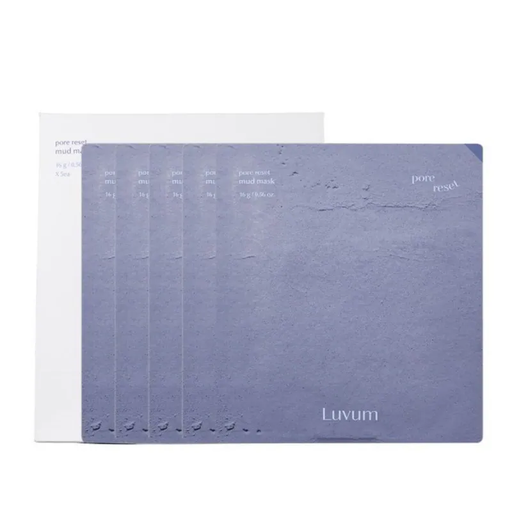
Why this fits the profile: Five individual 16-gram masks make it easy to plan multiple applications without buying a large pot straight away.
The portioned packaging prevents an opened pot from sitting around for a long time. The product description states a leave-on time of 10–15 minutes and rinsing with warm water.
Kaolin, bentonite and activated charcoal are listed in the product description; tea tree oil is also mentioned.
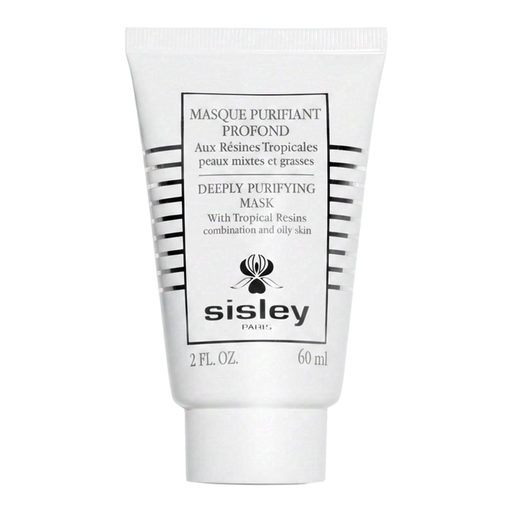
Why this fits the profile: The creamy formula and tube packaging suit a regular weekly routine for combination or oily skin.
The product information states a clear application of 1–2 times per week and a leave-on time of 10 minutes, making it easier to avoid overuse.
The ingredients list includes kaolin, bentonite and panthenol. The product page targets the mask at combination to oily skin.
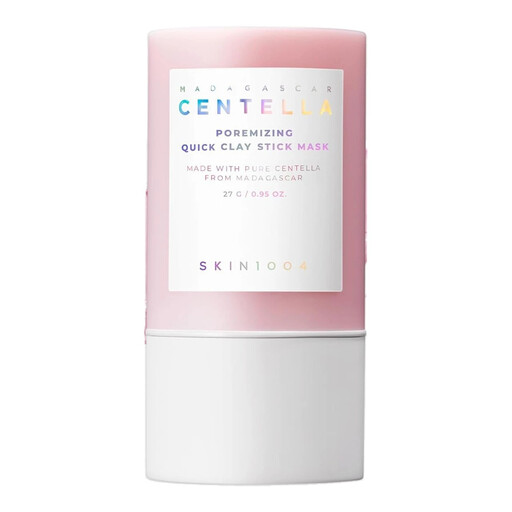
Why this fits the profile: The stick format is ideal for those who want to treat the nose, chin or forehead precisely without dipping fingers into a pot.
The instructions mention 3–5 minutes and emphasise that the stick must be closed properly after use. This helps prevent the product from drying out.
The ingredients list includes five types of clay, including kaolin, bentonite, illite and montmorillonite. The application is hands-free.
We’ve put together a full, up-to-date list of products that fully meet these strict selection criteria and comply with current European safety regulations.
A face mask for oily skin doesn’t need to be part of your daily routine. Start with once a week and adjust the frequency based on how your skin reacts. A sheet mask with hydrating ingredients can be used on different days to a clay mask, but always check the ingredients to avoid unnecessary combinations.
A face mask for blackheads can absorb sebum and surface debris, making your skin look temporarily cleaner. It doesn’t always remove all blackheads and doesn’t automatically prevent new blockages. Regular, gentle cleansing is more important than a one-off intensive treatment.
This varies by formula. Many products recommend one to two times per week, while some masks prescribe a shorter or more specific application. Dry or sensitive skin may need a clay mask less often. Follow the packaging and treat only the oily zones if needed.
A Korean face mask can be a clay mask, sheet mask, stick mask or wash-off mask. The country of origin alone doesn’t indicate which skin type the product is suitable for. Check the ingredients, warnings, leave-on time and the recommended skin type before ordering.
