
Vandaag of morgen in huis

Kwaliteit gegarandeerd

Welkomstaanbiedingen ontgrendelen: GRATIS bezorging | Tot 80% korting | Gratis 30 dagen JoyPlus-proefperiode
Download de app
Visible pores, a shiny T-zone and blackheads can be reasons to try a pore mask. However, not every face mask is the same. A clay mask for pores works differently from a hydrating sheet mask, while a sebum-absorbing mask has different ingredients and usage instructions.
The packaging sometimes promises that pores will be “minimised” or that impurities will disappear instantly. In practice, it is usually about a temporary smoother and cleaner-looking complexion. If you buy with a purpose, you should therefore focus on the formula, the treatment time and whether it suits your skin type.
A mask that feels tight and dry has not automatically absorbed more sebum. Clay, bentonite and charcoal in particular can absorb excess oil on the skin’s surface. For dry or sensitive skin, using it too often can actually cause a tight, uncomfortable feeling.
If you have oily or combination skin, consider applying it only to the T-zone rather than the whole face. A shorter treatment time is also often wiser than letting the mask dry out completely.
Pores do not disappear with a wash-off face mask. Products can temporarily reduce their visibility by removing sebum and surface debris, or by making the skin look smoother. Therefore, look for verifiable product information, such as the presence of kaolin, bentonite, salicylic acid or exfoliating powders.
Claims from a brand about, for example, a specific percentage of sebum reduction are not a universal guarantee. According to the brand’s own research, such results may have been measured under specific conditions. So treat them as product information, not as a guaranteed outcome for every user.
A face mask for blackheads can combine several active ingredients. Think of clay with AHA, BHA or PHA, but also fragrance and essential oils. This can be relevant if your skin reacts quickly or if you already use other exfoliating products.
Always check the ingredients list, warnings and expiry information on the packaging. If you have sensitive skin, test a new product on a small area first and stop if you experience irritation, redness, itching or a burning sensation.
A clay mask for pores often contains kaolin, bentonite, illite or montmorillonite. These ingredients are suitable if you mainly want to tackle excess sebum and surface impurities. Charcoal powder appears in some formulas as an additional absorbing ingredient.
A mask with acids can be more focused on exfoliation. Salicylic acid, for example, is present in some formulas for oily or blemished skin. Use such a product according to the instructions and do not combine multiple exfoliants on the same day without careful thought.
The recommended time varies significantly per product:
Leaving it on longer does not automatically mean better results. Stick to the usage instructions and rinse a wash-off mask thoroughly with lukewarm water.
A single-use sheet or mud mask is practical when you first want to test how your skin reacts. A pot, tube or set with multiple masks makes more sense if you plan to use the product regularly. Compare the amount per application, not just the price of the packaging.
A mask for oily skin does not need to be used daily. Many clay masks are intended for one to three times a week, depending on the formula and your skin’s tolerance. For combination skin, multi-masking can be handy: clay on the T-zone and a hydrating mask on drier areas.
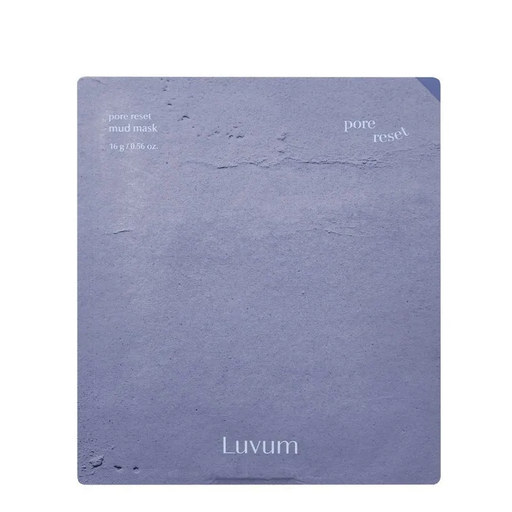
Why this fits the profile: The packaging contains one application. This makes it a low-barrier choice if you first want to see how a mud mask with kaolin, bentonite, charcoal powder and tea tree oil feels.
The product description states a specific treatment time of 10–15 minutes and advises avoiding the eye and lip area.
Single-use format; kaolin, bentonite and charcoal powder are listed in the product information.
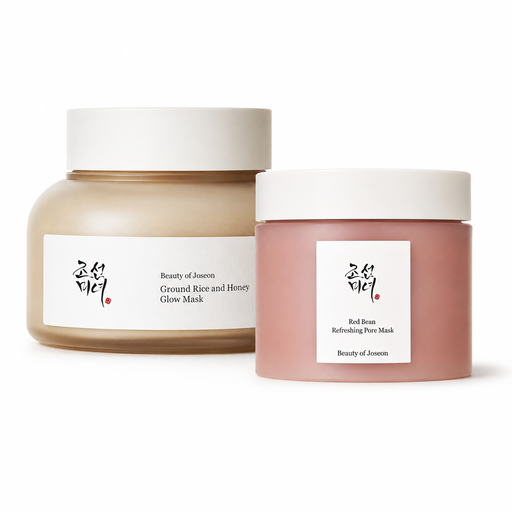
Why this fits the profile: The set combines a mask for pores and sebum with a second mask for a softer, more hydrated-feeling complexion. This suits a varied or combination skin routine.
You don’t have to use the same formula for every area of your face. The instructions advise alternating the masks and applying them 1–2 times per week.
Two different wash-off masks; the Red Bean mask contains kaolin and adzuki bean powder according to the product information.
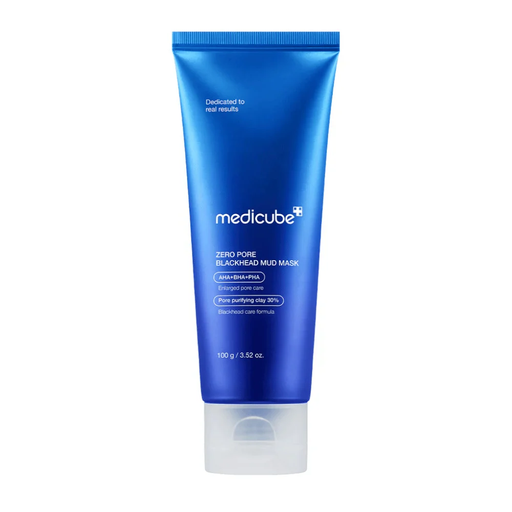
Why this fits the profile: This option is designed for users who want to combine clay with exfoliating ingredients and can carefully tailor its use to their skin’s tolerance.
The product information mentions AHA, BHA and PHA and advises a patch test. This makes it clear that you need to be extra careful about combining it with other acids.
Contains kaolin and bentonite; the usage instructions state approximately 3 minutes treatment time and 1–2 applications per week.
We have compiled a full, up-to-date list of products that fully meet these strict selection criteria and comply with current European safety regulations.
A mask for blemishes does not replace daily cleansing and is not intended to medically treat persistent skin problems. For ongoing or serious concerns, it is wiser to consult a doctor or skincare professional.
That depends on the product and your skin type. Clay masks are often used once to twice a week; some formulas state two to three times a week. If you have sensitive or dry skin, start with a lower frequency and always follow the label.
A mask can help remove sebum and surface debris, especially when kaolin, bentonite or charcoal is in the formula. The result is usually a cleaner-looking complexion, not the permanent removal of blackheads. Avoid harsh scrubbing or squeezing after use.
Look for a shorter treatment time, a formula without many potentially irritating ingredients, and clear safety instructions. Apply the product to a small area first. A milder mask that you use less often can be more practical than an intensive formula that causes a tight or burning sensation.
