
Same-day & Next-day Delivery

Quality Guaranteed

Unlock Your Welcome Offers: FREE Delivery | Up to 80% OFF | Free 30-day JoyPlus trial
Download the APP
Visible pores, blackheads and a shiny T-zone are common reasons to buy a pore mask. However, not every mask is suitable for every skin type. A clay face mask can absorb excess sebum, while a sheet mask mainly adds moisture and nourishing ingredients. The right choice therefore depends on your skin type, how often you want to use it, and the ingredients list.
Pores cannot be permanently closed. A sebum-controlling mask can temporarily remove excess oil and surface impurities, making the skin appear smoother. So look for wording like “refine the appearance of pores” rather than an absolute promise.
Charcoal, clay, mud and exfoliating acids can be useful for oily skin, but a combination of these ingredients can also feel dry or tight. A stinging sensation doesn’t mean the mask is working better. For sensitive or dehydrated skin, choose a gentler formula and a shorter application time instead.
A 240g pot may seem good value, but only if you use the product regularly before its expiry date or recommended period after opening. A single-use sheet mask is practical for occasional use, but less suitable if you want a regular weekly routine. Also check whether the product needs to be sealed tightly after opening.
For pore cleansing and sebum absorption, you’ll often see:
Brands sometimes describe their product as “deep cleansing” pores, “regulating” sebum or “refining” the skin. Treat this as a claim from the brand’s product information, not a guaranteed result. According to a brand’s own research, certain percentages or effects may be mentioned, but your skin may react differently.
A wash-off mask is handy for targeted treatment of the nose, chin or forehead. A stick format, as seen with some Korean skincare products, makes application easier without getting your hands messy. A sheet mask usually contains an essence and doesn’t need rinsing off, but is less specific for localised sebum build-up.
Check the recommended time on the packaging. Some masks work in as little as 3 to 5 minutes according to the product instructions, while others require 10 to 30 minutes. Don’t leave a clay or mud mask on for longer than stated. Stop if you experience persistent redness, itching, swelling or a stinging sensation. If you have sensitive skin, first test a small amount on a less visible area.
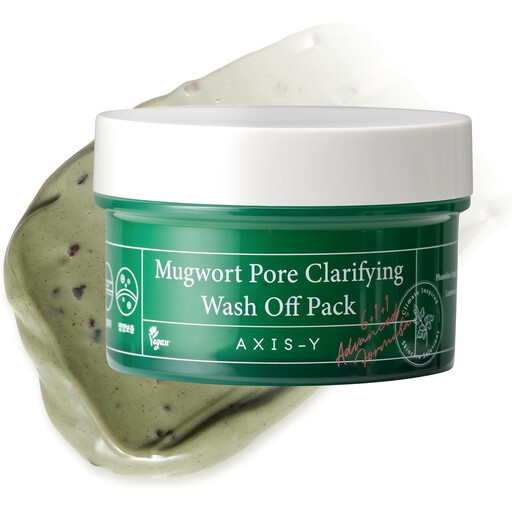
Why this fits the profile: The 100ml wash-off formula is straightforward to use and suits anyone looking for a simple pore mask for home. The product description mentions 61% mugwort and adzuki bean powder for gentle exfoliation.
The recommended short application time and rinse-off formula help prevent you from leaving the mask on unnecessarily long.
Wash-off texture, 100ml content and a formula that, according to the product description, helps remove excess sebum and dead skin cells.
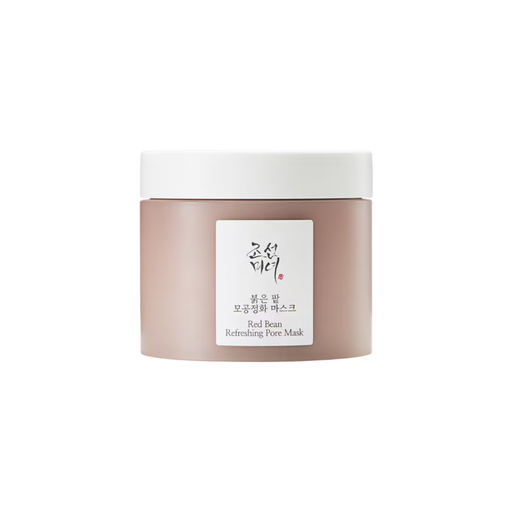
Why this fits the profile: This Korean skincare mask combines kaolin with red bean powder and extract. It’s suitable for those who want to combine pore cleansing with a gentler, more nourishing routine.
The stated application time of 5 to 10 minutes prevents you from using the mask as a long-term treatment.
140ml content, tube packaging, kaolin and red bean powder for cleansing and a smoother-feeling skin.
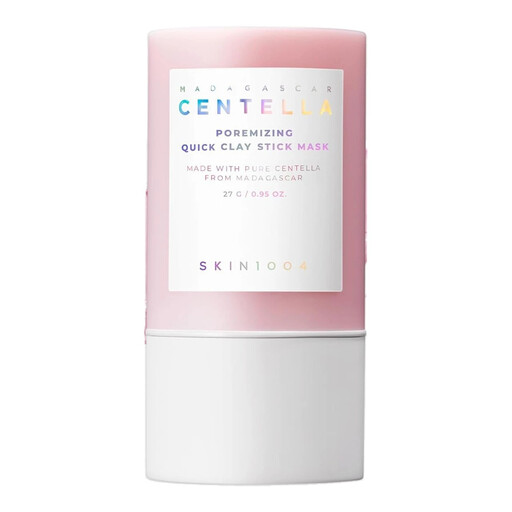
Why this fits the profile: The stick format is practical for targeted use on the T-zone. The product information mentions five types of clay, including 18% kaolin, and a recommended application time of 3 to 5 minutes.
You can apply the product precisely, so drier areas of the face are less likely to be exposed.
Hygienic stick applicator, 27g content and multiple types of clay in one formula.
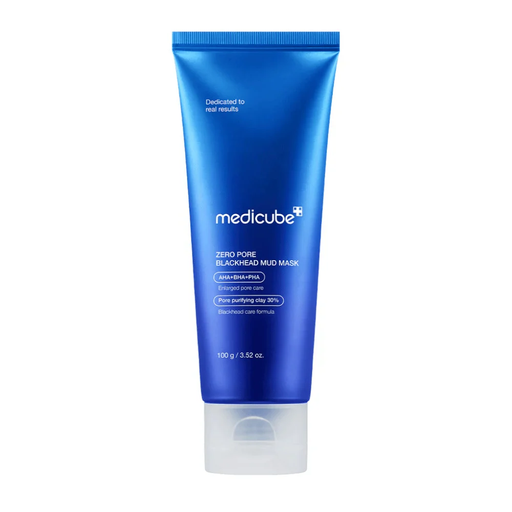
Why this fits the profile: This formula combines clay with salicylic acid, glycolic acid and gluconolactone. That suits users who want exfoliation alongside sebum absorption, provided their skin can tolerate it.
The product instructions recommend using it for around 3 minutes and advise a patch test, so you can better control the intensity.
Kaolin and bentonite, supplemented with AHA, BHA and PHA; recommended use is 1 to 2 times per week.
A mask for oily skin can usually be used once or twice a week. For combination skin, multi-masking often works more practically: clay on the T-zone and a hydrating mask on drier areas. A sheet mask, such as the NewAngance Purifying Mask with 10 sachets of 25ml, is better suited to a pampering moment where hydration and comfort are key.
We’ve put together a full, up-to-date list of products that fully meet these strict selection criteria and comply with current European safety regulations.
For a clay, charcoal or mud mask, once to twice a week is a practical starting point. Always follow the label. A daily sheet mask routine has different properties, but also check whether fragrance, citrus oils or exfoliating ingredients are in the formula.
According to the product description, a pore mask can help remove excess sebum and surface impurities. That doesn’t mean blackheads will disappear permanently. For blackheads, choose a product with clear ingredient information and avoid harsh scrubbing or squeezing the skin.
Choose a shorter application time, test the product on a small area first, and avoid multiple intensive ingredients at once. Check the full ingredients list for things like fragrance, essential oils and exfoliating acids. Stop using it if irritation occurs, and consult a doctor or pharmacist for persistent skin problems.
