
Vandaag of morgen in huis

Kwaliteit gegarandeerd

Welkomstaanbiedingen ontgrendelen: GRATIS bezorging | Tot 80% korting | Gratis 30 dagen JoyPlus-proefperiode
Download de app
A pore-cleansing face mask can be useful if your skin becomes shiny quickly, is prone to blemishes or has a coarse texture. However, not every clay face mask is suitable for every skin type. A product that absorbs excess sebum effectively on your nose may leave dry cheeks feeling tight.
So don’t focus solely on phrases such as “deep cleansing”, “minimises pores” or “acne care”. On their own, these terms reveal little about the formula, application time or suitability for your skin. The product description, ingredients list and instructions for use provide much more useful guidance.
A mud mask that dries completely and leaves your skin feeling tight has not necessarily removed more sebum. That sensation may also indicate dehydration or that the mask was left on for too long. This can particularly lead to flaking and increased discomfort if you have combination or sensitive skin.
Instead, choose a product with a clearly stated recommended application time. Rinse the mask off as soon as the instructions indicate and follow with a simple moisturiser.
In practice, refining pores usually means they appear temporarily less visible because oil, dirt and loose skin cells have been removed. A mask does not permanently alter the anatomical structure of your pores. Product descriptions that promise a smoother or more refined appearance should therefore be understood as a cosmetic expectation, not a lasting change.
Some masks contain acids, fragrance, essential oils or exfoliating powders in addition to clay or charcoal. This may suit oily skin, but calls for caution if your skin is prone to acne or reacts easily. Do not use several strongly exfoliating products on the same day without first checking the ingredients and assessing how your skin responds.
Don’t just compare the price; also consider the number of applications. A 100 or 140 ml tube may be suitable for repeated use, while a box of individual sheets is convenient if you prefer to portion out one treatment at a time.
The recommended frequency varies by formula. Some products advise using them once or twice a week, while others recommend two to three times a week. Using a pore-cleansing face mask more often does not automatically make it more effective. Always follow the label for the specific product.
For sebum control, kaolin, bentonite, illite and other types of clay are often used. If your skin is dry or dehydrated, a hydrating sheet mask may be a more logical choice than a highly absorbent mud mask.
Pay extra attention to:
According to the product information, the SKIN1004 Madagascar Centella Poremizing Clarifying Mask (5 pieces) contains, among other ingredients, AHA-, BHA- and PHA-related ingredients. The packaging also recommends patch testing and using sun protection during the day. This makes it important not to choose this mask solely because of the name “poremizing”.
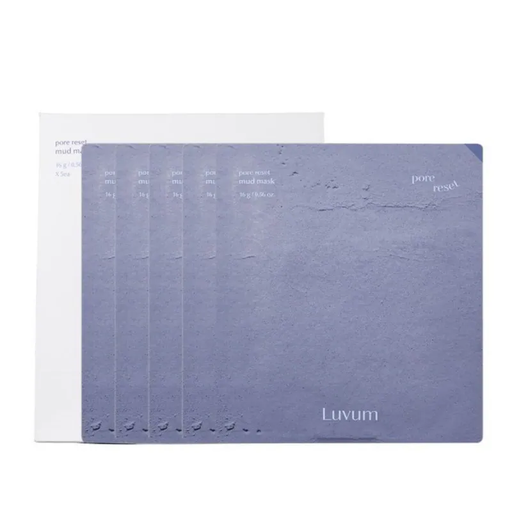
Why it suits this profile: The box contains five individual 16 g masks. This makes it easy to portion out each use and means you do not have to buy a large jar straight away.
The instructions specify a limited application time of 10–15 minutes. This means you do not have to leave the mask on until it dries and feels uncomfortably tight.
According to the product description, it contains bentonite, kaolin, activated charcoal and tea tree oil; five individual portions.
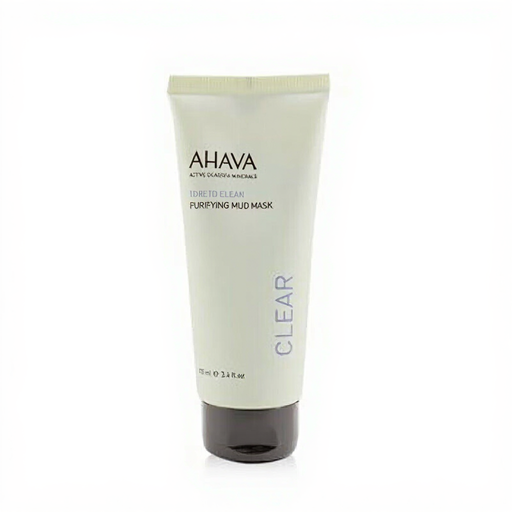
Why it suits this profile: The 100 ml tube is suitable for anyone looking to establish a regular weekly routine with a mineral-rich mud mask.
The product information states that it is suitable for all skin types, but check the ingredients yourself and, if you have sensitive skin, start by applying it to a small area.
According to the product description, it contains Dead Sea mud and minerals; the 100 ml tube is suitable for repeated use.
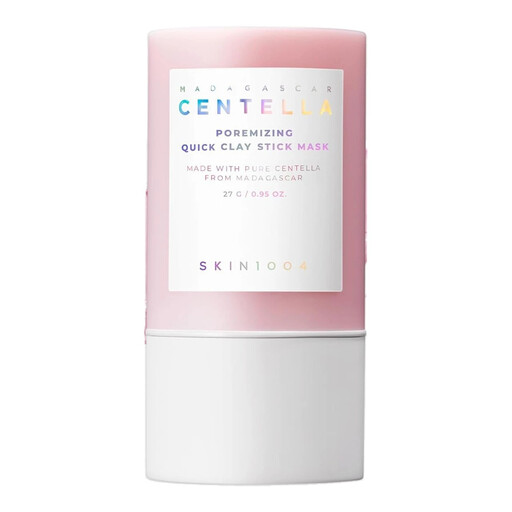
Why it suits this profile: The stick format is practical for targeted application to areas such as the nose, chin or forehead and requires little preparation.
The instructions specify a short application time of 3–5 minutes. Close the stick securely after use to help prevent it from drying out.
According to the product information, it contains five types of clay, including 18% kaolin; apply it directly without using your hands.
We have compiled a complete, up-to-date list of products that fully meet these strict selection criteria and the applicable European safety regulations.
This depends on the product and your skin type. Many clay and mud masks recommend using them once or twice a week; some formulas advise two to three times a week. If you have sensitive or dry skin, start with once a week and follow the packaging instructions.
According to the product description, a mask can help remove sebum, dirt and dead skin cells from the surface. The result is usually temporary and is not comparable to medical treatment. Do not squeeze blackheads forcefully, as this can irritate your skin.
Use a clay mask only on oilier areas such as the nose, chin and forehead. For your cheeks, choose a gentle hydrating sheet mask instead, such as a Korean face mask formula with a watery essence. This allows you to tailor your skincare routine to the different areas of your face.
