
Families looking to limit fat
You want to add popcorn to your main shop and compare the fat content of the exact product you’re considering. The European Commission sets a maximum of 3 g of fat per 100 g for a ‘low-fat’ claim on solid foods.


When doing the family shop, first compare the fat content per 100 g, then consider your portion size and how the popcorn is prepared. Assess popped corn with any oil and toppings included; a lower fat content doesn’t automatically mean less sugar or salt, and it isn’t the same as a ‘low-fat’ claim.
You want to add popcorn to your main shop and compare the fat content of the exact product you’re considering. The European Commission sets a maximum of 3 g of fat per 100 g for a ‘low-fat’ claim on solid foods.
You want to buy enough popcorn for several snack times and decide how much to serve, rather than automatically putting the whole pack on the table.
You’re looking for a convenient option to share as a family snack and want to know whether the popcorn needs preparing or is ready to serve.
Start by comparing the label values per 100 g, then decide which preparation method and quantity suit your family occasion.
| What to consider | What to look for when buying | Who is this important for? |
|---|---|---|
| Fat content and claim | Compare total fat per 100 g and check saturated fat separately. For a ‘low-fat’ claim on solid foods, the European Commission sets a maximum of 3 g of fat per 100 g. | If I want to limit fat, I first compare the exact products and their labels. Around 36% of consumers say limiting fat is their main purchasing priority. |
| Sugar and portion size | As well as fat, check the energy and sugar per 100 g; compare portion information using the same weight. Jumbo Popcorn Zoet lists 48.6 g of sugars per 100 g and a 30 g portion. | When I’m keeping an eye on the amount of snacks we eat overall, I check energy and sugar too, not just fat. Around 29% of consumers give energy and portion size top priority. |
| Family supplies | Check the net weight and the number of individual packs. Dried popping corn, ready-made popcorn and microwave popcorn bags are different product types and quantities. | For several family occasions, I want to know how much is in the pack and how I can portion out our supplies. Around 21% of consumers prioritise having enough in stock and comparing costs on a like-for-like basis. |
| Preparation and use | Check whether you need to pop the corn yourself or can serve it straight away, and follow the preparation and storage instructions. Jumbo advises adult supervision when preparing its microwave popcorn. | If I don’t have much time for a snack, the preparation involved matters to me; safety is still important. Around 14% of consumers give ease of preparation top priority. |
One variety may contain less fat than another and still exceed the limit for a ‘low-fat’ claim. Jumbo Popcorn Zoet lists 4.6 g of fat and 48.6 g of sugars per 100 g; for solid foods, the European Commission sets a maximum of 3 g of fat per 100 g for a ‘low-fat’ claim.
Compare fat, energy, sugar and salt on the label. Don’t use the difference between two products on its own as proof that a nutrition claim applies.
The nutritional values for dried corn don’t automatically include oil or other additions used during preparation. Albert Heijn’s product information describes preparing it with oil.
Assess the popcorn you actually make, including the oil, toppings and portion size.
Popping it yourself takes extra preparation; oil and any toppings add to the dried corn.
Albert Heijn lists a 25 g portion for Zoute popcorn; Jumbo Popcorn Zoet uses a 30 g portion. So a comparison per portion may give a different result from one per 100 g.
Compare products per 100 g first, then work out the figures using the same portion weight for the products you’re considering.
The product labels cover 500 g of dried organic popping corn and 100 g of ready-to-eat salted popcorn.
The varieties checked include dried popping corn, ready-to-eat sweet popcorn and salted microwave popcorn.
The Dutch product page identifies Snack Day Popcorn zoet in a 200 g pack.
The Dutch product page identifies SUN SNACKS Zoute popcorn in a 100 g pack.
These Joybuy products show a range of pack types and preparation methods. Before choosing one to help reduce your fat intake, check its fat content per 100 g.
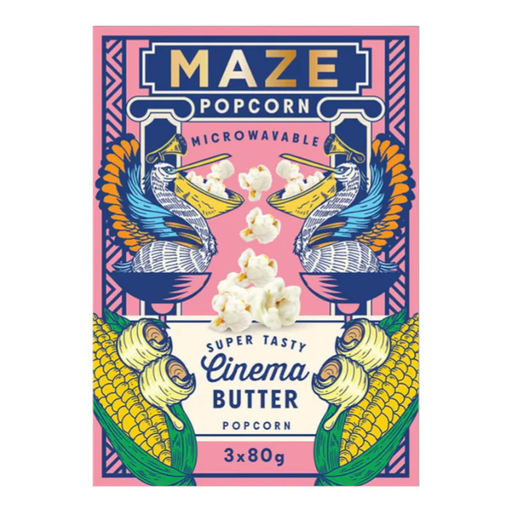 Image unavailable
The product description suggests film nights and sharing as occasions to enjoy it.
240 g pack; the product is called Popcorn Cinema Butter.
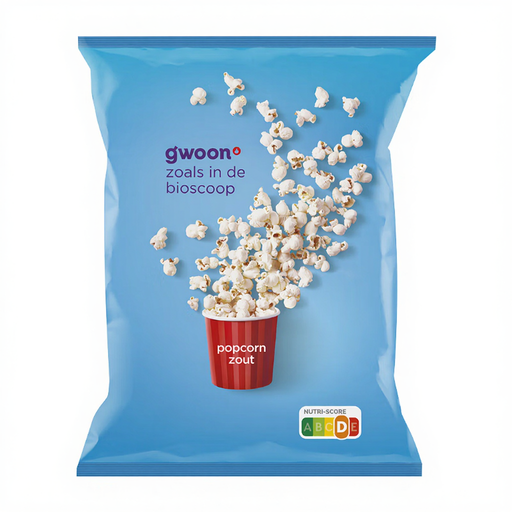 Image unavailable
This variety is described as salted popcorn.
The pack contains 100 g; check the label for nutritional values and portion information.
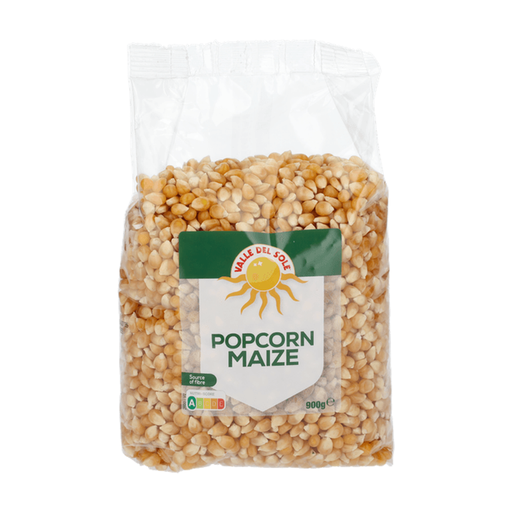 Image unavailable
The 900 g bag is for anyone who wants to pop their own corn and stock up for several occasions.
The product information lists 5 g of fat, 0.8 g of saturated fat and 5 g of sugars per 100 g. The preparation instructions call for two tablespoons of vegetable oil; include this when assessing your prepared popcorn.
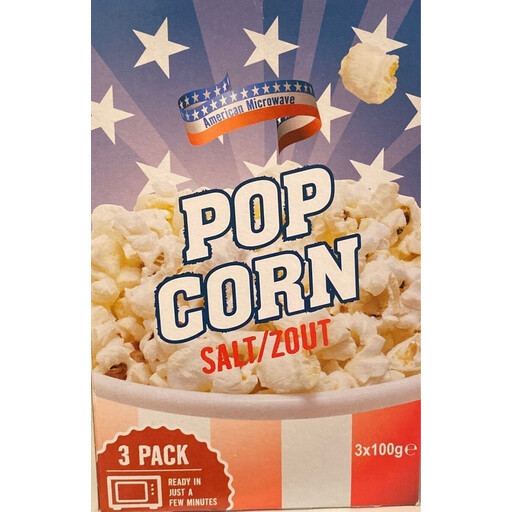 Image unavailable
The three individual bags are designed to be used one at a time.
The product description says it is microwaveable and lists 23 g of fat, 16 g of saturated fat and 3 g of salt per 100 g.
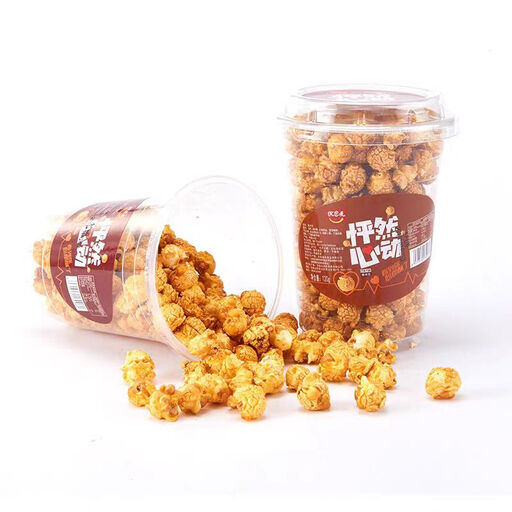 Image unavailable
According to the product description, this caramel popcorn is ready to eat.
The pack contains 120 g. Per 100 g, the nutrition table lists 25 g of fat, 15 g of saturated fat and 35 g of sugars; the product contains milk.
For solid foods, the European Commission sets a maximum of 3 g of fat per 100 g for a ‘low-fat’ claim. The Netherlands Food and Consumer Product Safety Authority confirms that European rules apply to nutrition claims; having less fat than another variety doesn’t, on its own, prove that the ‘low-fat’ claim applies.
Not without taking the preparation into account. The product information for AH Biologisch Popcorn mais describes preparing it with oil, so assess your finished popcorn including the oil, toppings and quantity you actually use.
Follow the instructions on the pack of the exact variety. Jumbo says children must not prepare the popcorn without adult supervision and that you shouldn’t restart cooking after an interruption.
The UK NHS advises against giving popcorn to babies and young children because of the risk of choking; this advice isn’t a statutory age limit in the Netherlands. VeiligheidNL advises parents to stay with children while they eat and to make sure they sit calmly while eating.
Follow the product instructions: store the popcorn in a cool, dark, dry place and seal the pack tightly after use. Also follow the best-before information on your own pack.