
Label-conscious snackers
You want to eat less fat, so you compare the nutrition table with the claim on the packaging. If you’re managing your weight, you’ll also want to consider the energy content of the amount you eat.


If you’re managing your weight, it makes sense to choose popcorn based on the energy content of the portion you actually eat, while also checking its fat content. The Netherlands Nutrition Centre explains that weight loss is linked to the balance between energy intake and expenditure. Popping your own gives you control over what you add, while ready-to-eat and microwave options offer convenience with a set recipe.
You want to eat less fat, so you compare the nutrition table with the claim on the packaging. If you’re managing your weight, you’ll also want to consider the energy content of the amount you eat.
You want to measure out your own oil and flavourings, and don’t mind preparing the popcorn yourself. The nutritional values of the finished snack also depend on the ingredients you choose and how much you use.
You’d rather choose ready-to-eat or microwave popcorn, but decide in advance how much to serve instead of treating the whole pack as one portion.
First decide whether fat content, the energy in your portion, ease of preparation or affordability matters most to you. Then check the nutrition information and the portion size it refers to for the specific product.
| What to consider | What should you check? | Who is this most important for? |
|---|---|---|
| Fat content | Check the total fat per 100 g, the exact claim, and whether the nutrition values apply to the product as sold or after preparation. | If eating less fat is my top priority, I want to check the nutrition table rather than judge by how light the product looks. Around 29% of consumers put reducing fat first when choosing what to buy. |
| Energy per portion | Compare kcal on the same basis, weigh your portion and work out the energy for that amount; include any ingredients you add yourself. | If I’m planning my snack portion, I want to know how much energy it provides, even if another type of popcorn contains less fat. Around 36% of consumers prioritise energy and portion size. |
| Preparation method | Check whether you’ll be popping it yourself, using a microwave bag or buying ready-to-eat popcorn; also check the ingredients and preparation instructions. | If I want to measure out my own additions or serve popcorn quickly, the preparation method matters most. Around 21% of consumers make it their first consideration when choosing. |
| Affordability | Compare the price for a similar quantity, and factor in your planned portions and any oil or seasonings you might need. | If the cost of my planned snack is the deciding factor, I also want to consider the portions and any additions I’ll need. Around 14% of consumers put affordability first. |
The fat content doesn’t tell you how much energy your whole portion provides. The Netherlands Nutrition Centre emphasises that energy intake and expenditure are relevant to weight loss.
Weigh the amount you plan to eat and work out its energy content. If you pop it yourself, include oil and any other additions.
Nutrition values for dry popping corn and prepared popcorn aren’t automatically based on the same quantity. Oil or other ingredients also change the finished product.
Compare values on the same basis and account separately for any ingredients you add yourself.
An organic label or light texture doesn’t confirm that a product meets the low-fat claim. According to the European Commission, solid foods can only be labelled low fat if they contain no more than 3 g of fat per 100 g.
Check the exact claim and total fat per 100 g on the packaging.
Albert Heijn lists both popping corn for preparation and salted popcorn that’s ready to eat.
Jumbo lists ready-to-eat salted and sweet popcorn, as well as salted microwave popcorn.
Lidl lists sweet and salted popcorn under its own Snack Day brand, including a sea salt variety in a 200 g pack.
Aldi lists SUN SNACKS Salted Popcorn as a ready-to-eat option in a 100 g pack.
This Joybuy selection includes ready-to-eat popcorn, microwave popcorn and popping corn for making your own. Check the nutrition values, preparation basis and portion size for each product; the product names alone don’t confirm a reduced-fat claim.
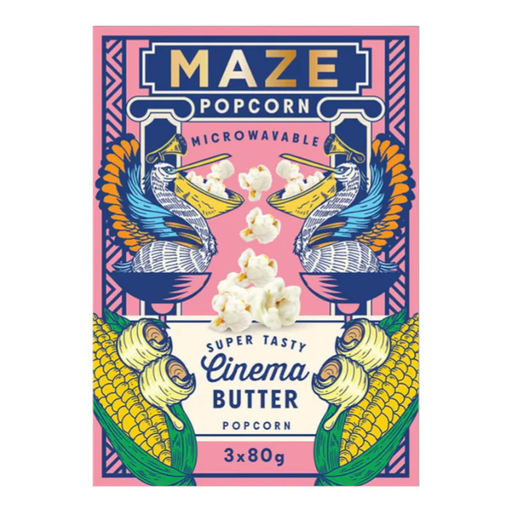 No image available
An option if you’re looking for ready-to-eat popcorn with a cinema butter flavour.
The product name lists a 240 g pack.
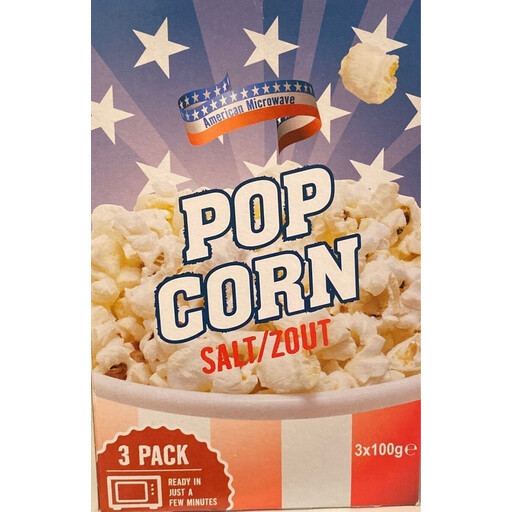 No image available
A good fit if you want to prepare popcorn in the microwave and plan each bag separately.
The product description specifies microwave preparation and 23 g of fat per 100 g. Follow the preparation instructions on the packaging.
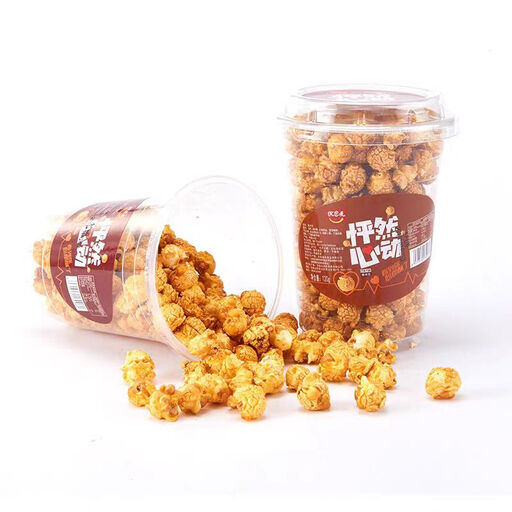 No image available
A ready-to-eat caramel variety for anyone looking for sweet popcorn and wanting to weigh out their portion in advance.
The product information lists 25 g of fat per 100 g.
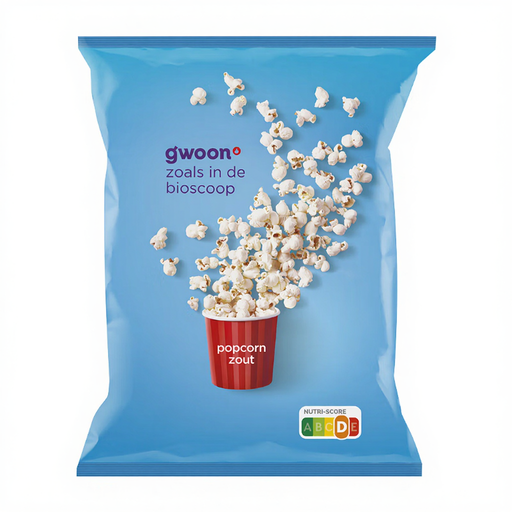 No image available
A ready-to-eat salted option if you’re looking for a 100 g pack.
The product information lists 29.2 g of fat per 100 g.
 No image available
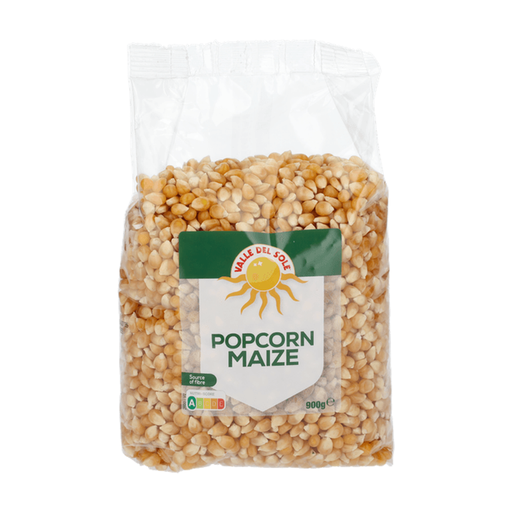
A good fit if you want to pop your own popcorn and measure out the additions as you prepare it.
The product information lists 5 g of fat per 100 g. The preparation method described uses 2 tablespoons of vegetable oil; include this addition in your calculation.
According to the European Commission, the low-fat claim can be used for a solid food containing no more than 3 g of fat per 100 g. On its own, this doesn’t tell you how much energy your portion will provide.
Use the preparation basis stated alongside the nutrition information. European food labelling guidance explains that nutrition values relate to the product as sold; for products that need to be prepared, information may also be provided for the product as ready to eat. Include any oil and toppings you use yourself if they aren’t covered by the stated basis.
Follow the instructions on the packaging for your product. For the salted microwave popcorn it reviewed, Jumbo advises removing the film, having children prepare it only under adult supervision, and not restarting it after an interruption. Store the product according to the instructions on the packaging.
No. Check the ingredients and allergen information for the exact product. For the organic popping corn it reviewed, Albert Heijn lists possible traces of cereals containing gluten, soya and wheat. The ready-to-eat popcorn varieties reviewed from Jumbo may contain milk; also check the current label for any additions.
Include the oil and any seasonings in your portion calculation. The Netherlands Nutrition Centre’s recipe uses 50 g of popping corn, a teaspoon of oil and a teaspoon of seasoning mix. The amount you add affects the nutritional content of your finished snack.