What should you look for when choosing?
Start with the type of preparation that suits your school day, then compare the nutritional values on the same basis. The percentages below show which purchasing priority comes first for consumers in this lunch situation.
| What to consider |
What to look for when buying |
Who might prioritise this? |
| Added fat |
Compare total fat per 100 g, and include any oil you add when popping it yourself. |
If I want to decide for myself how much oil and flavouring to add at home, I’ll choose a type that lets me measure them out. Around 36% of consumers prioritise control over fat and added ingredients. |
| Nutritional values beyond fat |
Check the saturated fat and sugar values too, and consider the snack as part of the whole lunch. |
If I’m packing popcorn for a schoolchild, I don’t want to focus only on the fat figure; I also want to consider the rest of the lunch. Around 29% of consumers prioritise this nutritional balance. |
| Ease of preparation |
Check whether the popcorn is ready to eat, needs a microwave or has to be prepared at home; follow the instructions on the exact pack. |
If I have little time to prepare, a product type that fits the way I pack lunch at home is a better choice. Around 21% of consumers prioritise convenience when preparing food. |
| Quantity and storage |
Check the net weight, how much you’ll take with you and the storage instructions after opening. |
If I want to divide a pack between lunches, I’ll think about how much I’m actually taking and how the rest should be stored. Around 14% of consumers prioritise planning the quantity. |
Popcorn products on Joybuy
These popcorn products on Joybuy come in different flavours and formats. They don’t automatically meet the requirements for a low-fat claim, so compare the nutritional values and preparation information for each variety.
 No image available
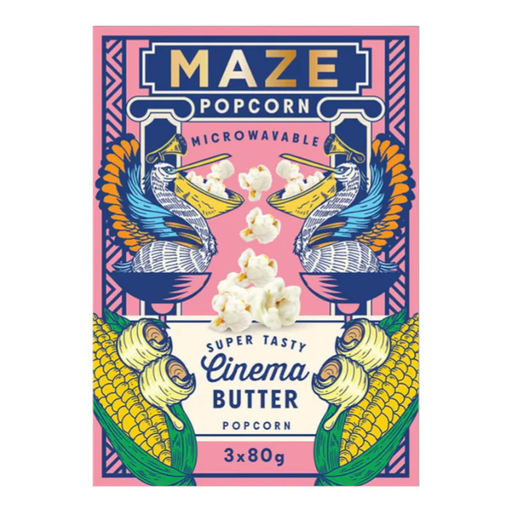
SNACK MAZE Popcorn Cinema Butter, 240 g
If you’re looking for cinema butter-flavoured popcorn, compare the fat, saturated fat and sugar per 100 g on the packaging.
The product name states that the pack contains 240 g.
Joybuy
 No image available
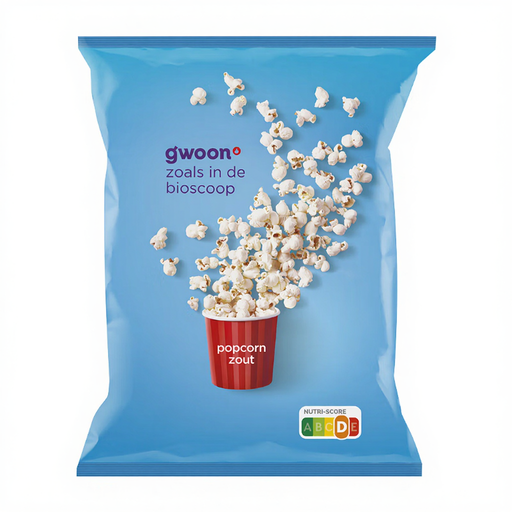
g'woon Salted Popcorn, 100 g
If you’re looking for salted popcorn, check the nutritional values per 100 g on the packaging, and consider how much you want to take with you.
The product name states that the pack contains 100 g.
Joybuy
 No image available
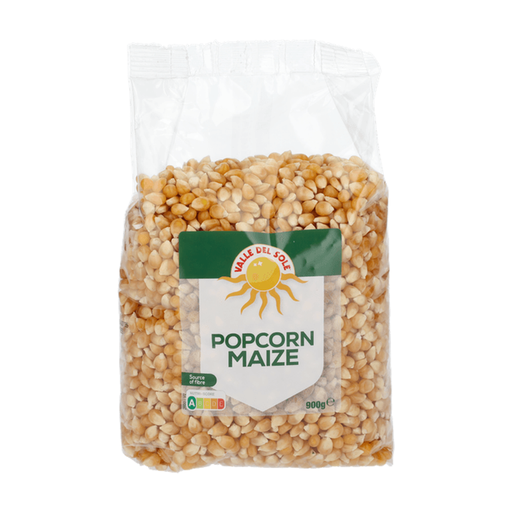
Valle Del Sole Popcorn Maize (Butterfly), 900 g
This is a good option if you want to pop popcorn at home; the product description gives instructions for preparing it in a pan.
The pack contains 900 g of Butterfly popcorn kernels. The product information states that the kernels contain 5 g of fat per 100 g; the preparation method described uses 2 tablespoons of vegetable oil, which is not included in that figure for the kernels.
Joybuy
 No image available
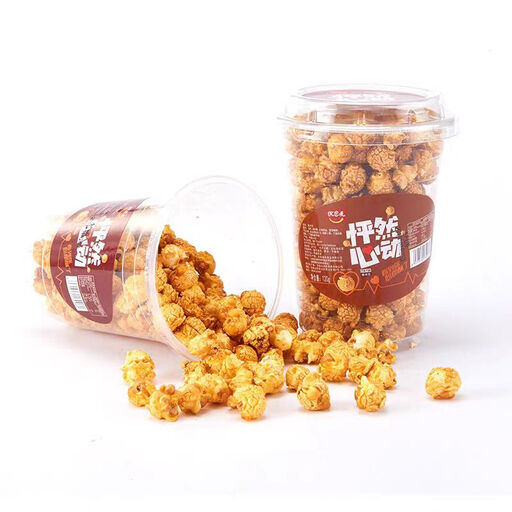
Yousmai Pengranxindong Popcorn (Caramel), 120 g
If you’re looking for ready-to-eat sweet popcorn, the fat content is worth checking: the product information states that it contains 25 g of fat per 100 g.
The same information states that it contains 15 g of saturated fat and 35 g of sugars per 100 g. This is above the European Commission’s limit of no more than 3 g of fat per 100 g for a low-fat claim on solid foods.
Joybuy
Frequently asked questions
What’s the difference between low-fat and reduced-fat?
For solid foods, the European guidance sets a maximum of 3 g of fat per 100 g for a low-fat claim. ‘Light’ and ‘reduced’ are comparative claims: according to the Netherlands Nutrition Centre, a reduced-fat claim means the product must contain at least 30% less fat than a similar standard product, and the packaging must say what has been reduced.
How can I flavour popcorn I’ve popped at home without adding the usual sugar?
The Netherlands Nutrition Centre suggests paprika and herb blends for a savoury flavour, and cinnamon or spiced biscuit seasoning for a sweeter taste. Check the ingredients and allergens in a seasoning blend; the name of a herb doesn’t mean the blend is salt-free.
How do I prepare microwave popcorn according to the instructions?
Follow the instructions on the exact pack. Jumbo says children should prepare microwave popcorn under adult supervision, and that you shouldn’t restart the cooking process after stopping it.
Is popcorn automatically suitable for someone with a food allergy?
No. Check the current label for the exact variety. AH Biologisch Popcorn mais warns that it may contain cereals containing gluten, soya and wheat; Jumbo Popcorn Zout warns that it may contain milk. The Netherlands Food and Consumer Product Safety Authority explains allergen labelling.
How do I compare popcorn kernels with ready-to-eat popcorn?
Compare like with like, and keep unprepared kernels separate from prepared popcorn. If you pop them yourself, include any added oil and flavourings. For ready-to-eat varieties, check the nutritional values per 100 g and how much you actually want to take with you.


