What should you look for when buying?
Regular ready-to-eat popcorn
A good fit when: convenience and something to snack on during the film come first, and you get enough protein elsewhere in your diet.
The trade-off: the checked portions of AH Salted popcorn and Jumbo Salted Popcorn provide a few grams of protein, not a complete solution if you need extra protein for sports nutrition.
Popcorn with a separate source of protein
A good fit when: your diet suggests you need extra protein, but you still want to eat popcorn. The Netherlands Nutrition Centre lists quark, yoghurt, tofu, nuts and beans as examples of foods that can increase your protein intake.
The trade-off: you buy and portion two items, then assess their nutritional values separately. Combining them doesn’t automatically make the popcorn itself suitable for a protein claim.
Values per 100 g help you compare products; to find out what you’re eating, calculate them for your own portion.
| What to consider |
What to check |
Who should take this into account? |
| Protein content |
Check the protein per 100 g, your portion size and your daily intake. |
If sport and recovery are factors, you’ll want to know how much your snack adds to your daily total. Around 36% of consumers say protein content is their main purchasing priority. |
| Protein and energy |
Compare values per 100 g, then calculate them for the same portion size. |
If you want your film-night bowl to suit your needs for both protein and energy, look at the amount you’ll actually eat. Around 29% of consumers say the nutritional content of a portion is their main purchasing priority. |
| Allergens and dietary suitability |
Read the ingredients, allergen warnings and product information on the packaging for the exact variety. |
If dietary requirements or allergens affect your choice, check the information for the product itself. Around 21% of consumers say dietary suitability is their main purchasing priority. |
| Preparation and convenience |
Check whether the popcorn is ready to eat or needs preparing, and where the product is available. |
For a film night, ready-to-eat popcorn may be more practical than making it yourself or preparing something else. Around 14% of consumers say convenience and where to buy are their main purchasing priorities. |
Popcorn for film nights at Joybuy
Here you’ll find ready-to-eat popcorn and popcorn kernels for film nights. Ready-to-eat varieties don’t need popping; for popcorn kernels, check the preparation instructions and compare nutritional values on the same basis.
 No image available
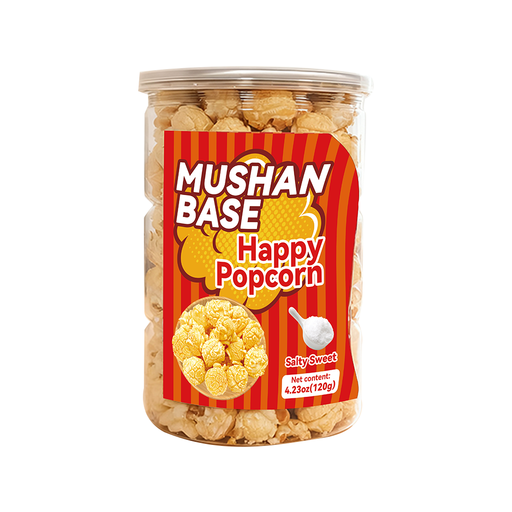
MUSHAN BASE sweet and salty popcorn, 120 g
A ready-to-eat option if you want to enjoy popcorn straight from the pack during a film night.
The product information lists 6.2 g of protein per 100 g. Contains soya and may contain gluten.
View at Joybuy
 No image available
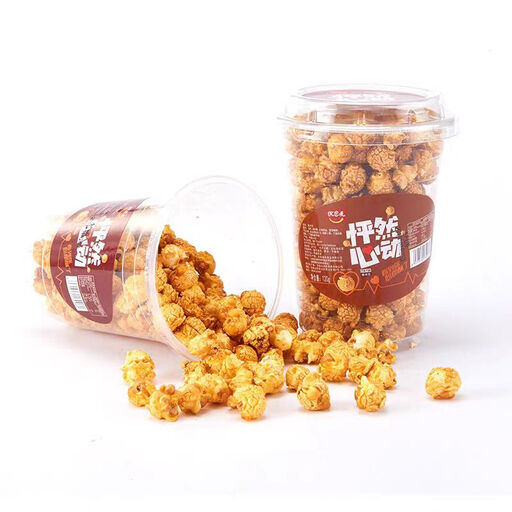
Yousmai Pengranxindong caramel-flavoured popcorn, 120 g
A ready-to-eat popcorn option for a film-night snack with no need to pop it yourself.
The product information lists 5 g of protein per 100 g. Contains milk.
View at Joybuy
 No image available
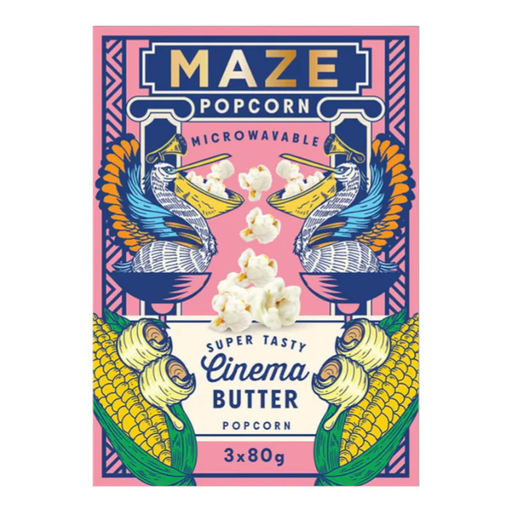
SNACK MAZE cinema butter-flavoured popcorn, 240 g
The product description presents this popcorn as a film-night snack to enjoy at home.
The product name specifies the flavour and 240 g pack size.
View at Joybuy
 No image available
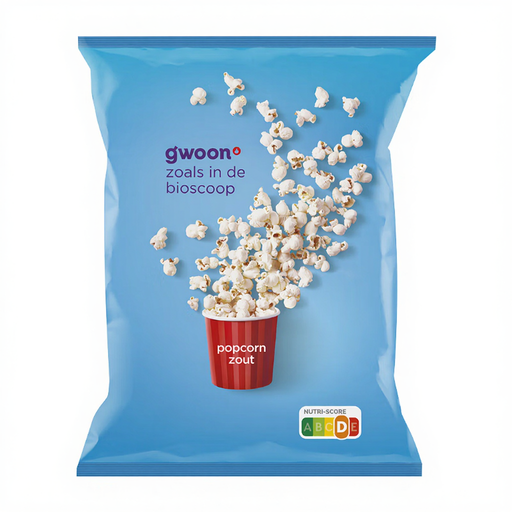
g'woon salted popcorn, 100 g
A salted popcorn option if you’re looking for a ready-to-eat snack for a film night.
The product information lists 8.3 g of protein per 100 g.
View at Joybuy
 No image available
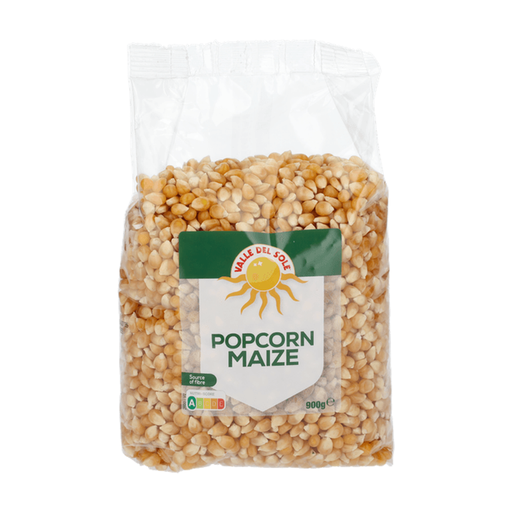
Valle Del Sole Butterfly popcorn kernels, 900 g
Popcorn kernels for making your own popcorn for a film night.
The nutritional information lists 10 g of protein per 100 g. You’ll need a pan, oil and a lid to prepare them.
View at Joybuy
Frequently asked questions
How do I calculate the protein per portion?
Multiply the protein per 100 g by the weight of your portion, then divide by 100. For 25 g of AH Salted popcorn, that’s 8.3 × 25 ÷ 100 = 2.075 g, or around 2.1 g when rounded.
Do I need special protein snacks if I exercise recreationally?
According to the Netherlands Nutrition Centre, recreational sportspeople don’t need special protein shakes or bars. Consider your overall diet; your needs and practical circumstances may differ if you exercise more intensively.
How should I store opened ready-to-eat popcorn?
For AH Salted popcorn, Albert Heijn recommends storing the pack in a cool, dark and dry place, and sealing it well after use.
Can I order Lidl microwave popcorn online?
The Dutch product page for Snack Day Sweet Microwave Popcorn says ‘In store only’. This doesn’t tell you whether an individual store has the variety in stock.
Can a seller simply call popcorn ‘high protein’?
No. A nutrition claim must meet the relevant European requirements and must not be inaccurate, ambiguous or misleading. The European Union sets out these rules for nutrition and health claims; assess any claim using the information on the exact packaging.


