
Anyone who keeps an eye on protein at lunchtime
You want to know how much your popcorn portion adds to the protein in your lunch and daily diet, without automatically treating an everyday snack as a post-workout product.


Choose popcorn for your university lunch based on the protein in the portion you actually eat, rather than just the product name. The Netherlands Nutrition Centre gives an average of 5.2 g of protein and 154 kcal per 40 g portion of popcorn. This is a general reference, as values can vary by brand. If you do sport, a varied diet should remain your starting point: you don’t automatically need a special protein snack.
You want to know how much your popcorn portion adds to the protein in your lunch and daily diet, without automatically treating an everyday snack as a post-workout product.
You want something you can buy in advance and take with you. The product format and a suitable portion are relevant, but neither proves that it offers a protein benefit.
You want to prepare popcorn kernels ahead of time and decide how much to take for lunch. Follow the preparation instructions and check the nutritional information for the product you choose.
First work out how much popcorn you actually eat, then check the nutritional information for the exact variety. The percentages below show which factors consumers prioritise when making this lunch choice.
| What to consider | What to check | Who prioritises this |
|---|---|---|
| Protein per portion | Calculate the nutritional value for the amount you eat. The Netherlands Nutrition Centre gives an average of 5.2 g of protein per 40 g of popcorn; this average is not a product specification. | If I tailor my lunch to my protein needs, I want to know how much my portion contributes and what else is in the meal. Around 42% of consumers prioritise protein content. |
| Convenience and product format | Check whether you’re buying ready-to-eat popcorn or kernels that still need to be prepared. Jumbo lists both product formats. | If I’m eating between lectures, I want something I can take with me without having to prepare it there and then. Around 33% of consumers put convenience and being able to take it with them straight away first. |
| Portion and ingredients | Read the nutritional information, ingredients and allergen information for the variety you’ve chosen. The NVWA requires allergens to be clearly listed on the label. | If I’m checking what’s in it, I want to check the values for my portion and the allergens in this exact flavour. Around 25% of consumers prioritise portion size and ingredients. |
The Netherlands Nutrition Centre says that nutritional values can vary by brand. So a general reference won’t tell you exactly how much protein your chosen variety provides.
Use average values as background information only, and check the current label for the exact variety before choosing.
Pack sizes vary. For example, Jumbo’s category lists 100 g and 175 g popcorn packs. The nutritional value of your lunch depends on how much you actually eat.
Decide on your portion and calculate the label values for that amount.
A protein figure alone doesn’t tell you how much the snack contributes to your whole lunch or daily diet. A nutrition claim must also meet the relevant criteria.
Consider the protein content alongside the portion size, ingredients and how you plan to use it.
Albert Heijn’s Dutch product page lists AH Biologisch Popcorn mais, a product you prepare yourself.
Jumbo’s Dutch product and range pages list ready-to-eat popcorn, microwave popcorn and popcorn kernels.
Lidl’s Dutch product page lists Snack Day Popcorn zoet.
ALDI Netherlands lists Sun Snacks Zoute popcorn in a 100 g pack.
These options include ready-to-eat popcorn and kernels that you can prepare yourself. Compare the nutritional information for the exact variety with the amount you eat at lunchtime.
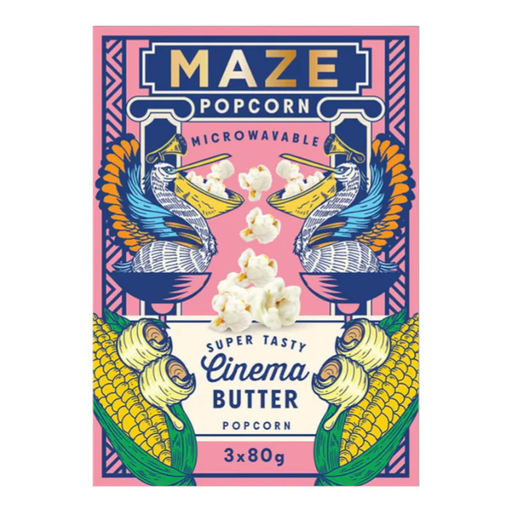 No image available
The product description calls this a ready-to-eat snack, suitable if you want to take ready-made popcorn with you.
This variety has a butter flavour and comes in a 240 g pack.
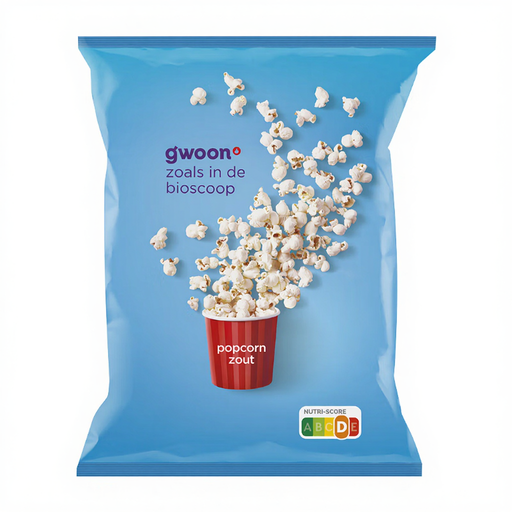 No image available
This ready-to-eat option is a good fit if you’re looking for salted popcorn to have with lunch.
The product name specifies salted popcorn in a 100 g pack.
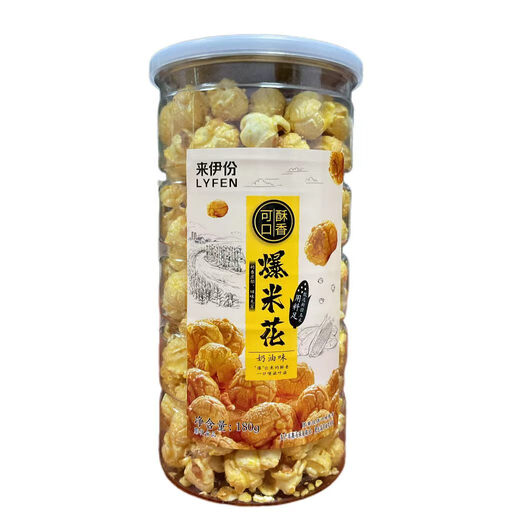 No image available
The product description says this popcorn can be eaten straight from the tin, making it a ready-to-eat snack.
The product information lists 2.2 g of protein, 530 kcal and 0.34 g of salt per 100 g. The ingredients and allergen information lists soya.
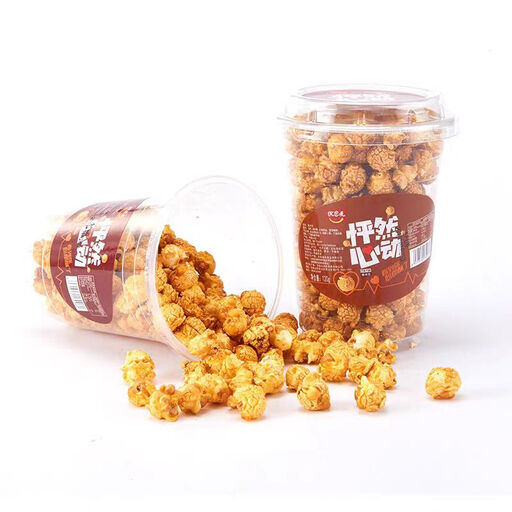 No image available
The product description calls this ready-to-eat caramel popcorn, for anyone looking for a sweet snack they can eat straight away.
The product information lists 5 g of protein and 35 g of sugars per 100 g. The ingredients and allergen information lists milk.
 No image available
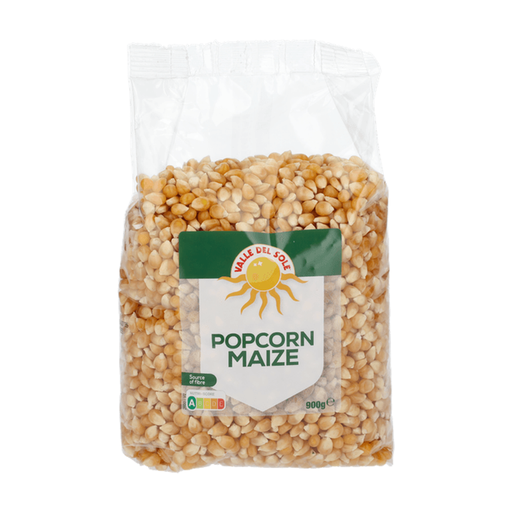
These popcorn kernels are a good choice if you want to prepare your own lunch portion. The stated method uses a pan, oil and a lid.
The product information lists 10 g of protein, 350 kcal and 0 g of salt per 100 g. These values are for the product as described, not for popcorn after preparation.
No. According to the Netherlands Nutrition Centre, most people who do sport don’t need special protein shakes or bars if they eat a healthy, varied diet. So think of popcorn as part of your overall diet, rather than automatically treating it as a post-workout product.
Calculate the value per 100 g for the amount you actually eat, and check the nutritional information for the exact variety. The Netherlands Nutrition Centre gives an average of 5.2 g of protein per 40 g portion of popcorn, but notes that values can vary by brand.
A nutrition claim must meet the relevant criteria, according to the Netherlands Food and Consumer Product Safety Authority. A product name alone is no substitute for nutritional information or the criteria for the claim.
Read the allergen information on the packaging for the exact variety. The NVWA requires allergens to be clearly listed on the label. Don’t assume a product is suitable based only on the word popcorn or another flavour from the same brand.
Follow the preparation instructions for the product you’ve chosen and decide in advance how much you want to take with you. The preparation method described here for popcorn kernels uses a pan, oil and a lid. Calculate the nutritional value based on the amount you eat.