
People who exercise and want to increase their protein intake
You want to know how much protein a snack actually adds to your sport-focused diet. The Netherlands Nutrition Centre says that recreational athletes don’t need special protein products.


When choosing a snack for a sport-focused diet, treat popcorn first and foremost as a snack and check the declared protein content against the portion you actually eat. If you want extra protein, ordinary foods outside the popcorn can be a suitable option. Also consider the energy content, preparation method and allergens of the exact variant, and don’t take a protein or recovery claim as proof of a recovery benefit.
You want to know how much protein a snack actually adds to your sport-focused diet. The Netherlands Nutrition Centre says that recreational athletes don’t need special protein products.
You want to assess the nutritional values for the amount you eat, not just for a whole bag or per 100 g. The portion size shown on product pages can vary between variants.
You’re choosing between ready-to-eat popcorn and a variant you prepare at home in the microwave. Check the instructions for use and what you’ll need to prepare it.
First decide whether you want popcorn as a snack or are mainly looking to increase your protein intake. Then choose based on the portion and preparation method; a product name that suggests a focus on protein is no proof of a recovery benefit.
| What to consider | What should you check? | Who is this important for? |
|---|---|---|
| Protein per portion | Compare protein per 100 g and work out how much that is for the amount you eat. | If I eat popcorn around the time I exercise, I want to know how much protein my own portion actually provides. Around 36% of consumers prioritise protein content. |
| Energy and portion size | Look at energy and protein on the same basis; don’t automatically assume you’ll eat the portion size shown on the pack. | If I want to weigh up the nutritional contribution of my snack, I look at the portion I actually have. Around 29% of consumers prioritise portion size and energy. |
| Ease of preparation | Check whether the popcorn is ready to eat or needs preparing; follow the pack instructions for microwave popcorn. | If I’m looking for a snack on the go, I want to be able to eat it straight away; at home, I might choose a microwave variant. Around 21% of consumers prioritise convenience. |
| Allergens and dietary requirements | Read the ingredients list, highlighted allergens and warnings on the pack of the exact variant. | If milk or another ingredient matters to me, I check the information for the specific product. Around 14% of consumers prioritise suitability for their dietary requirements. |
A nutrition claim about a product’s composition is not the same as proof that it aids recovery. The Netherlands Nutrition Centre says that recreational athletes don’t need special protein products.
Start with your nutrition goal and the declared amount of protein. Only consider a specific recovery benefit if it is appropriately substantiated.
AH Salted Popcorn lists a 25 g portion; AH Microwave Popcorn Salt lists 30 g, and Jumbo Salted Popcorn also gives values per 30 g. These portions aren’t the same.
First compare the values per 100 g, then assess the same amount for every variant—whatever you plan to eat.
The instructions for AH Microwave Popcorn Salt warn that the bag and steam will be hot, and specify when to stop cooking.
Follow the current instructions on the pack, stay by the microwave while the corn pops and open the bag carefully.
Albert Heijn offers ready-to-eat salted popcorn as well as microwave popcorn. Its official product pages provide nutritional values and information about portions and use.
The official product page describes Jumbo Salted Popcorn 100 g and lists nutritional values per 100 g and per 30 g portion.
Lidl identifies Snack Day Sea Salt Popcorn as a 200 g pack.
ALDI identifies Sun Snacks Salted Popcorn as a 100 g pack. The Milsani protein range is a separate product range.
This selection includes ready-to-eat popcorn snacks and popcorn kernels to prepare at home. Compare the nutritional values for the exact variant and check how it needs to be prepared.
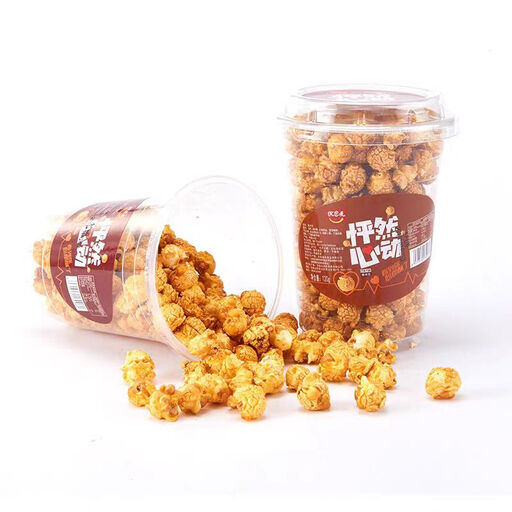 No image available
A good fit if you’re looking for a ready-to-eat sweet popcorn snack.
Per 100 g: 5 g protein, 502 kcal and 35 g sugars. The product information lists milk.
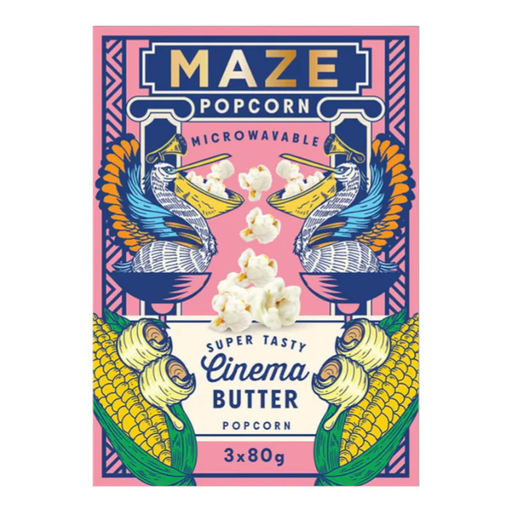 No image available
An option if you’re looking for popcorn to enjoy during a film night or similar snack occasion.
The product title lists the Cinema Butter flavour and a pack weight of 240 g.
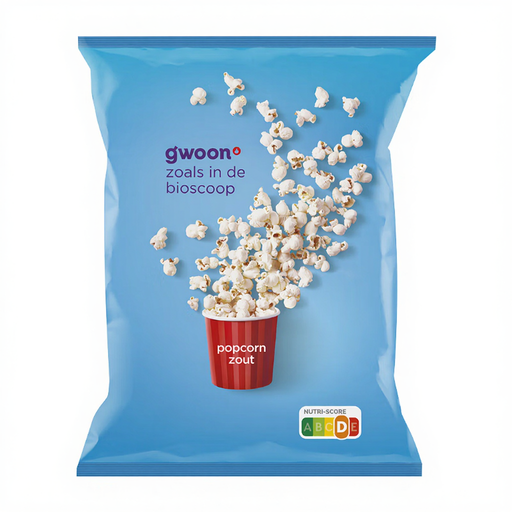 No image available
A good fit if you like salted popcorn and want to take the nutritional values into account when choosing your portion.
Per 100 g, the product description lists 8.3 g protein, 543 kcal and 8.5 g dietary fibre.
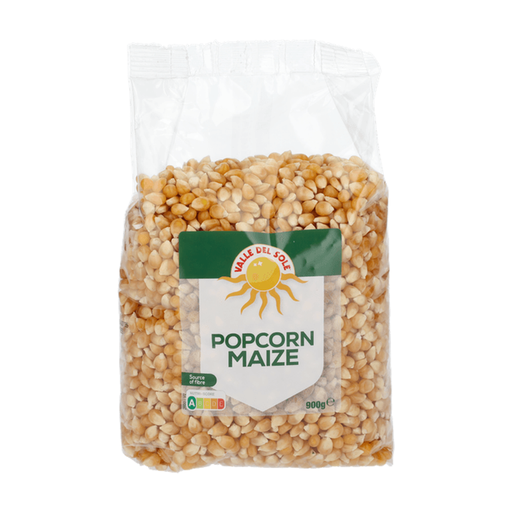 No image available
For anyone who wants to make popcorn in a pan at home; the preparation information mentions vegetable oil.
The product description lists 10 g protein per 100 g. You’ll need a pan and oil, and should keep an eye on the popcorn as it pops.
No. According to the Netherlands Nutrition Centre, recreational athletes don’t need special protein products. If you want to increase your protein intake, first look at your overall diet; ordinary foods can provide protein too.
Nutritional values per 100 g give you a consistent basis for comparing products. The European Commission explains how nutritional information is expressed under the applicable rules; after that, work out the figures for the amount you actually eat.
No. A nutrition table shows a product’s composition, not a recovery benefit in itself. The European Commission says that nutrition and health claims must not be inaccurate, ambiguous or misleading.
Follow the instructions on the pack for this variant: the product page recommends 2–3 minutes at 800 Watt or 3–4 minutes at 600 Watt. Stop when there are 1–2 seconds between pops, stay by the microwave and open the bag carefully because it will be hot and steamy.
No, check the exact variant. Jumbo Salted Popcorn says the product may contain milk. The European Commission explains that any allergens present must be highlighted in the ingredients list.