Choose popcorn based on the specific ingredient you want to avoid: gluten-free, lactose-free and vegan do not automatically mean a product is free from all allergens. Then check the ingredients and warnings for the exact variant, and choose between ready-to-eat popcorn, preparing it at home or popping loose kernels, depending on how much time and what facilities you have.
Who is this guide for?
Anyone looking to avoid gluten
You’re looking for a reliable gluten-free statement and also want to avoid contact with gluten during preparation and when taking your popcorn with you. The Dutch Coeliac Society points out that crumbs containing gluten can get into food via kitchen utensils.
Anyone avoiding milk or another allergen
You want to assess the ingredients and possible cross-contamination warnings separately. The Netherlands Nutrition Centre distinguishes between lactose intolerance and milk allergy: lactose-free does not automatically tell you whether milk proteins are present.
Anyone packing a lunch snack in advance
You want to take popcorn with you without having to prepare it on the go, and decide in advance how much to pack and how to store it. The Netherlands Nutrition Centre explains that lunch dishes can also be taken with you; in this guide, popcorn is a snack to have alongside lunch.
What should you look for when choosing?
Ready-to-eat popcorn
Best when: you want to eat straight away while out and don’t want to plan any preparation.
Keep in mind: one pack isn’t automatically one portion; also check the allergen information for the exact variant.
Microwave popcorn
Best when: you have a suitable microwave at home or at your destination and can pop it in advance.
Keep in mind: you need to stay by the microwave and open the hot bag carefully.
Loose popcorn kernels
Best when: you want to choose your own oil and flavourings and have time to prepare the popcorn.
Keep in mind: corn as the only ingredient doesn’t guarantee there’s no cross-contamination; check the label and use suitable clean kitchen utensils.
First decide which ingredient or allergen you need to avoid; then choose the preparation method and quantity that suit your lunch on the go.
| What to consider |
What should you check? |
Who does this matter to? |
| Gluten and cross-contamination |
Check the statement for the exact variant and any warnings about cereals containing gluten or wheat. |
If you avoid gluten, you’ll want to look beyond the corn itself and check for warnings and contact during preparation too. Around 26% of consumers put avoiding gluten first. |
| The specific allergen |
Compare what you need to avoid with both the ingredients and warnings about possible cross-contamination. |
If you avoid milk, soya or another specific allergen, you’ll want to know exactly which warning applies to your variant. Around 26% of consumers give an allergen other than gluten top priority. |
| Ready to eat straight away |
Check whether the popcorn is already popped or whether you need a microwave or another way to prepare it. |
If you don’t have a place to prepare it while you’re out, you’ll want to be able to eat the snack straight from the pack. Around 21% of consumers prioritise being able to eat it straight away. |
| Portion and nutritional information |
Compare nutritional information on the same basis and consider how much you actually want to take with you. |
If you want to weigh up the amount and make-up of your snack, look at the portion size and nutritional values as well as the free-from label. Around 16% of consumers make portion size and nutritional information their main selection criteria. |
| Popping it yourself and controlling portions |
Factor in preparation time, oil, suitable kitchen utensils and a container for taking it with you. |
If you want to choose the additions and quantity yourself, you’ll also need to set aside time for preparation. Around 11% of consumers prioritise portioning it themselves and the practicalities involved. |
Common mistakes
-
Treating lactose-free, gluten-free and allergen-free as the same thing
A lactose-free statement refers to lactose, while milk allergy relates to milk proteins. A gluten-free statement says nothing by itself about other allergens.
Start with the ingredient you need to avoid and check the ingredients and warnings for the exact variant. The Netherlands Nutrition Centre explains the difference between lactose intolerance and milk allergy.
-
Assuming organic corn is automatically gluten-free
AH Biologisch Popcorn mais states that it may contain cereals containing gluten, soya and wheat.
Don’t base your choice solely on the corn or the organic label; take the product-specific allergen information into account too.
-
Assuming the pack is one portion
For the 100 g bag of salted popcorn reviewed, Albert Heijn lists four portions of 25 g.
Decide in advance how much you want to take with you and compare nutritional information for the same quantity.
-
Forgetting about preparation and what you’ll need
Microwave popcorn and loose kernels aren’t ready to eat straight away. Popping your own takes time and, depending on the method, requires oil and a suitable container for taking it with you.
Choose how you’ll prepare the popcorn before taking a product with you. If you avoid gluten, clean kitchen utensils are important too.
Popping your own also means planning the preparation and taking it with you in advance; dry kernels and popped popcorn aren’t the same when it comes to how you use them.
Brands to consider
Albert Heijn
The own-brand range includes ready-to-eat popcorn, microwave varieties and loose kernels, with different preparation methods.
- The salted ready-to-eat variant reviewed is labelled gluten-free and lactose-free; the microwave varieties reviewed are labelled gluten-free.
- AH Biologisch Popcorn mais states that it may contain cereals containing gluten, soya and wheat. Label information applies to the specific variants mentioned, not automatically to the whole brand.
Jumbo
The own-brand range includes salted ready-to-eat popcorn and microwave popcorn that were reviewed.
- The ingredients are listed for the ready-to-eat variant reviewed.
- Jumbo Popcorn Zout states that it may contain milk. A short ingredients list doesn’t prove that a product is free from all allergens.
Lidl
According to Lidl, Snack Day includes salted and sweet popcorn.
- The brand page confirms that popcorn is part of its snack range.
- The brand information doesn’t provide product-specific free-from details for an exact variant; check the relevant label for that information.
ALDI
ALDI’s product page lists SUN SNACKS Zoute popcorn in a 100 g pack.
- The product name and pack weight are listed for this variant.
- This information doesn’t establish whether the popcorn is free from gluten, milk or other allergens.
Popcorn products at Joybuy
These product picks are ready-to-eat popcorn to take with you; if you have a specific dietary requirement, always check the information for the exact variant.
 No image available
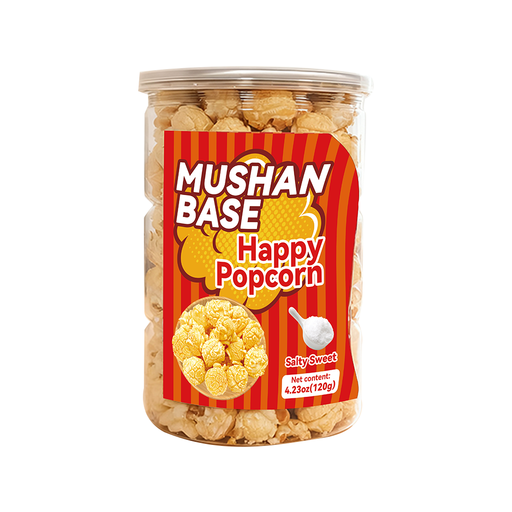
MUSHAN BASE Popcorn Sweet Salty Flavor 120g
The product information describes this popcorn as ready to eat, making it a handy choice if you want to take something with you and eat it on the go.
The product information lists soya and possible gluten; bear this in mind if you avoid these ingredients.
View at Joybuy
 No image available
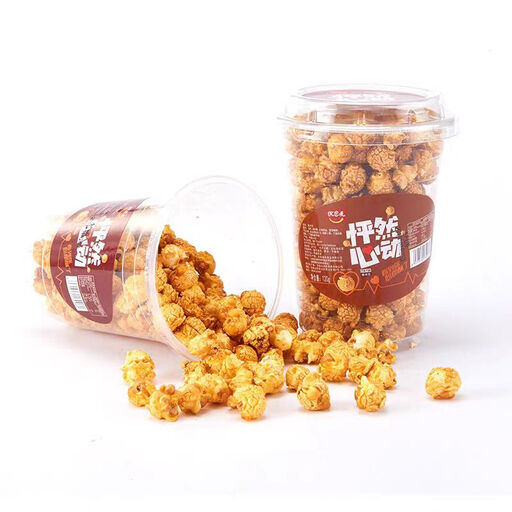
Yousmai Pengranxindong Popcorn (Caramel) 120g
The product information describes this caramel popcorn as ready to eat on the go.
The ingredients information lists condensed milk, soya and almonds; bear this in mind if you avoid any of these ingredients.
View at Joybuy
 No image available
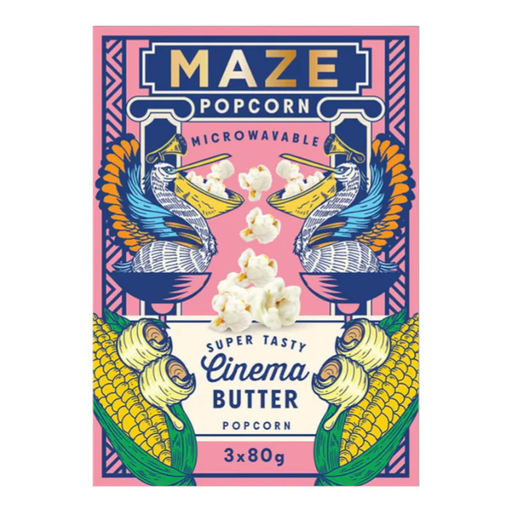
SNACK MAZE Popcorn Cinema Butter 240 GR
The product title describes popcorn in the Cinema Butter variety. If you avoid a specific ingredient, check the ingredients and allergen information on the pack.
View at Joybuy
 No image available
g'woon Salted Popcorn 100g
The title describes 100 g of salted popcorn, intended as a ready-to-eat snack.
The product description states that it contains none of the 14 main EU allergens. Check the packaging and ingredient information for the exact variant before making your choice.
View at Joybuy
Frequently asked questions
Is lactose-free popcorn suitable for someone with a milk allergy?
Not on the basis of that claim alone. Lactose intolerance relates to milk sugar; milk allergy relates to milk proteins. So also check the ingredients and warnings about possible milk on the exact pack. The Netherlands Nutrition Centre explains the difference.
What does ‘may contain’ mean on a Dutch label?
It’s a warning about possible cross-contamination. According to the NVWA, a warning about possible allergens should be used where a risk has been identified; the stated wordings are ‘May contain X’ and ‘Not suitable for people with an X allergy’.
Why might a product still have an older label after 1 January 2026?
The NVWA links the transition to the production date: stock produced earlier may still be sold after that date if the food is not unsafe. So check the information on the packaging of the product you’re buying.
How do you prepare the AH microwave popcorn reviewed?
Follow the instructions on your pack. For the varieties reviewed, Albert Heijn recommends 2–3 minutes at 800 Watt or 3–4 minutes at 600 Watt. Stay by the microwave and open the hot bag carefully because of the steam.
How should you store ready-to-eat popcorn for taking with you?
For the salted variety reviewed, Albert Heijn recommends storing it in a cool, dark and dry place and closing the pack securely after use. If you avoid gluten, also prevent contact with crumbs containing gluten and kitchen utensils that have been used.


