
Night workers keeping an eye on portions
If you want to take popcorn with you and calculate the energy in your snack, check the nutritional information for the exact variety and weigh the amount you eat.


Air-popped corn is a good choice for a night shift if you can prepare it at home and want to choose your own oil and flavourings. Ready-to-eat popcorn is more convenient if you don’t want to pop it during your shift. Calculate the energy using the figures for the exact variety and the amount you actually eat. Keep dry corn and prepared popcorn on their own preparation basis.
If you want to take popcorn with you and calculate the energy in your snack, check the nutritional information for the exact variety and weigh the amount you eat.
If you want to be able to eat straight away during your shift, compare ready-to-eat popcorn with products that still need to be popped. Check the portion size and storage instructions, too.
If you want to choose which oil and flavourings to add, popping corn can be a base to prepare at home. Check the ingredients in any additions and the allergen information.
First decide how much you want to eat and whether you can prepare it before or during your shift. Then compare the nutritional values and ingredients of the exact variety.
| What to consider | What should you look for? | Who is this important for? |
|---|---|---|
| Energy per portion | Check the kcal per 100 g, weigh your own portion and see whether the label refers to dry or ready-to-eat popcorn. | If I want to know how much energy my snack contains, I calculate it using the weight I actually eat. Around 36% of consumers prioritise energy per portion. |
| Ease of preparation | Check whether the popcorn is ready to eat or needs preparing. For microwave products, check the instructions and number of portions, too. | If I have little time or no suitable equipment during my shift, I choose based on what I can prepare practically. Around 29% of consumers put ease of preparation first. |
| Flavour and ingredients | Read the ingredients and check energy, sugars, fat and salt separately. Check the allergen information, too. | If I want a particular flavour or need to avoid certain ingredients, I check this information before choosing a variety. Around 21% of consumers start with flavour and ingredients. |
| Stock and storage | Compare the quantity with the portions you have planned and follow the storage instructions on the exact pack. | If I’m planning snacks for several shifts, I consider the pack size and how to store an opened pack. Around 14% of consumers prioritise planning their supplies. |
The volume doesn’t tell you how many grams you’re eating. The Netherlands Nutrition Centre gives 154 kcal per 40 g bowl of popcorn as a general reference; AH Salted Popcorn lists 543 kcal per 100 g.
Use the nutritional information for your variety and weigh your portion. A smaller portion doesn’t change the product’s composition or the conditions for making a nutrition claim about it.
A flavour description doesn’t tell you how much energy, sugar, fat or salt a product contains. Values can vary between exact varieties.
Read the nutrition table and ingredients separately, and only compare products on the same basis.
AH Salted Microwave Popcorn lists nine 30 g portions in a 270 g pack. So the pack’s total contents aren’t the same as one stated portion.
Decide in advance how much you want to eat and check the portion information alongside the total pack weight.
Nutritional values may refer to different preparation bases. The label for Jumbo Popcorn Maize lists 374 kcal per 100 g of dry corn; this can’t be compared directly with 100 g of ready-to-eat popcorn.
If you’re preparing it yourself, calculate the amount of corn and any additions for the portion you actually eat.
Preparing it yourself takes planning; oil and flavourings are also part of the ingredients in your portion.
The AH examples discussed are ready-to-eat salted popcorn and microwave popcorn. Albert Heijn provides product information and preparation instructions for these varieties.
The examples discussed are dry popping corn and ready-to-eat sweet popcorn. They suit different preparation preferences and aren’t directly comparable per 100 g.
Lidl lists both salted and sweet popcorn in its Snack Day range.
Aldi lists SUN SNACKS Salted Popcorn in a 100 g pack.
Joybuy popcorn options for planned snacks during a night shift; compare the portion, preparation method and available product information for each exact variety.
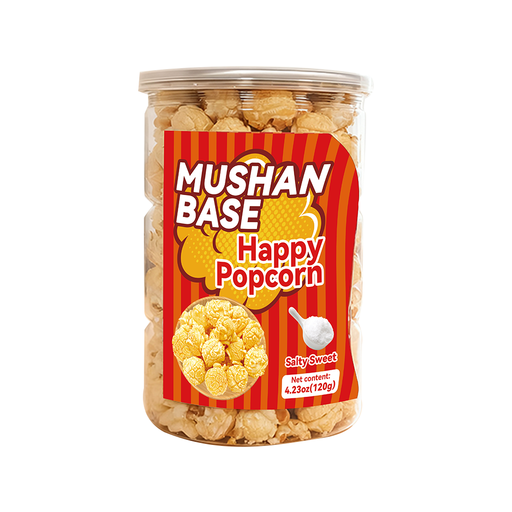 No image available
The product information describes ready-to-eat popcorn, a good fit if you want to weigh out a portion before your shift.
Energy: 541 kcal per 100 g; sugars: 27,1 g per 100 g.
Contains soya and may contain gluten.
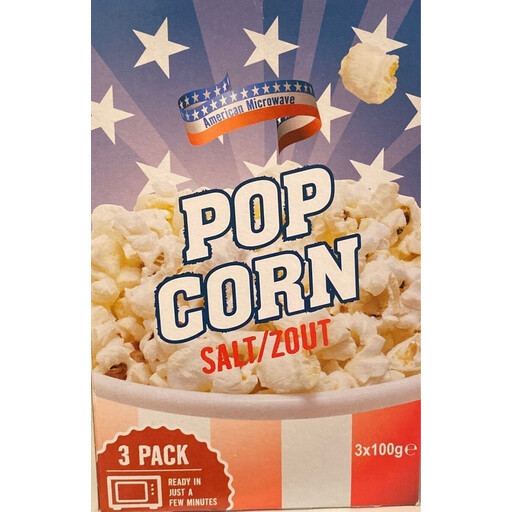 No image available
This variety is designed for microwave preparation; choose it only if you can use a suitable microwave during a break.
Pack: 3 × 100 g. The product information lists 510 kcal and 3 g of salt per 100 g; check the pack to see which preparation basis these figures refer to.
Follow the product-specific preparation instructions and open the hot pack carefully because of the steam.
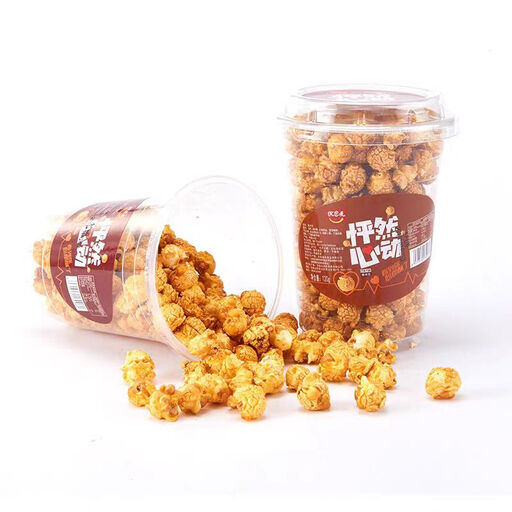 No image available
The product information describes ready-to-eat popcorn, so you can weigh out your chosen amount before your shift.
Pack: 120 g. Energy: 502 kcal and sugars: 35 g per 100 g.
Contains milk.
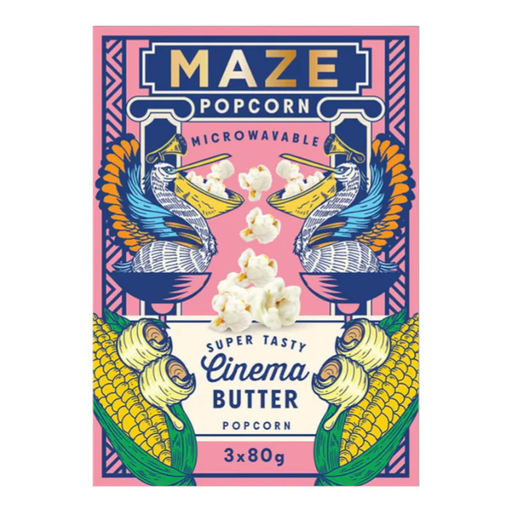 No image available
The product name describes popcorn with a cinema butter flavour. Check the exact pack for portion size, ingredients and nutritional values before comparing it with other popcorn.
 No image available
This salted popcorn is an option to compare if you’re looking for a ready-to-eat snack.
Energy: 543 kcal per 100 g.
Not just because the portion is small. In the Netherlands, the European condition for using the ‘low energy’ claim on solid foods is a maximum of 40 kcal (170 kJ) per 100 g. The European Commission sets out these claim conditions; the NVWA explains that businesses in the Netherlands must follow the European rules. You can describe the calculated energy in your own portion without calling the product itself low-calorie.
Calculate the energy in the corn you use and any additions using the nutritional values on their stated basis, then divide the total across the portions you make. Don’t compare the weight of dry corn directly with the same weight of prepared popcorn.
Follow the instructions on the product packaging and use the stated preparation time for your microwave’s wattage. Stay nearby and stop cooking when there are 1–2 seconds between pops. Open the bag carefully, as it will be hot and full of steam.
Follow the instructions for the exact variety. Albert Heijn recommends storing AH Salted Popcorn in a cool, dark and dry place and sealing the pack securely after use. Jumbo recommends storing Jumbo Popcorn Maize in a dry, dark place.
Check the ingredients and warnings on the exact pack. Jumbo Sweet Popcorn 175 g states ‘May contain: Milk’. Check the labels on any ingredients you add yourself, too; a corn base alone doesn’t confirm that a variety is suitable for your allergy.